
The snap of a fresh twig is more than just a sound; it is the starting gun for a masterpiece. When you first get your hands on a live branch, you feel the cool, waxy resistance of the bark and the hidden hydraulic pressure of the sapwood beneath. Foraging For Willow Cuttings is the ultimate power move for a sustainable maker because it bypasses the industrial supply chain entirely. By sourcing your own material, you are not just gathering sticks; you are selecting living structural units with specific tensile strength and moisture content.
Willow is a botanical marvel. It contains salicin, which acts as a natural rooting hormone, making it incredibly resilient. As you walk through the wetlands or along riverbanks, you are looking for first year growth. These "rods" are smooth, tapering, and lack the lateral branching that complicates a weave. The goal is to find stems that can bend into a full circle without snapping. This flexibility is a result of the cellulose and lignin ratio within the plant walls. When you harvest correctly, you are essentially collecting high performance biological polymers that are ready to be transformed into functional art.
THE STUDIO KIT
THE STUDIO KIT
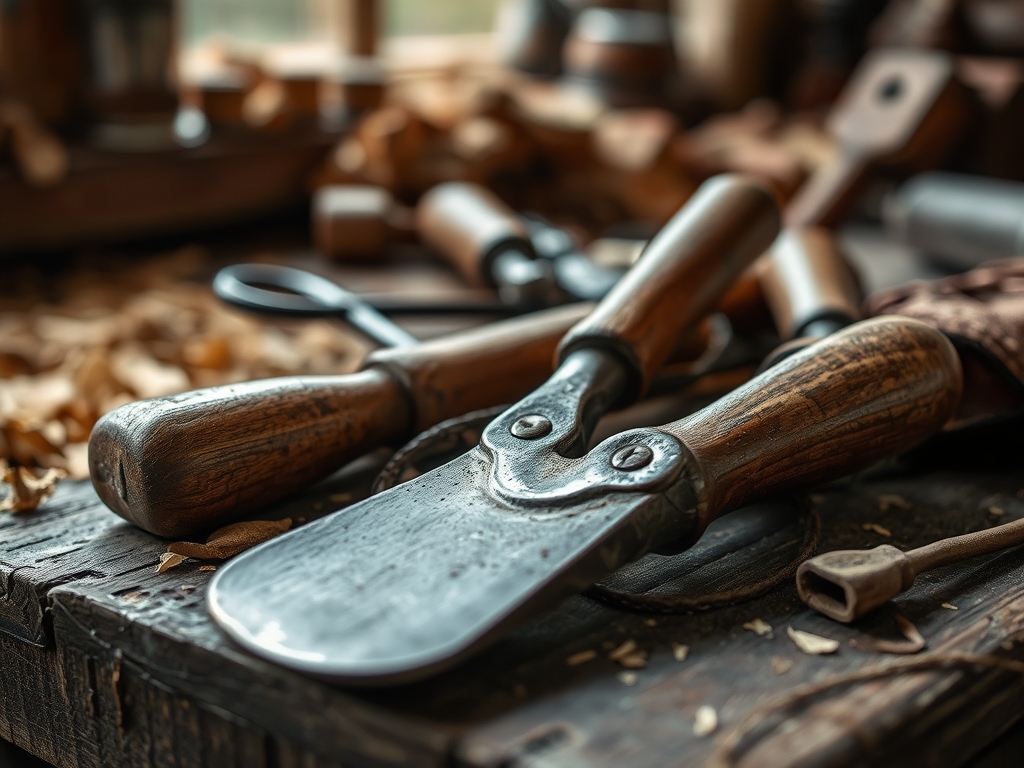
To manage a living harvest, your toolkit needs to be sharp and surgical. Forget the dull garden shears from the garage; we are looking for bypass pruners with high carbon steel blades. Unlike anvil pruners, which crush the vascular tissue of the plant, bypass blades slide past each other to create a clean, microscopic shear. This preserves the capillary action of the cutting, ensuring it can still take up water if you decide to plant it.
You will also need a pair of digital calipers to measure the diameter of your rods. Consistency is the secret to a balanced basket. If your uprights vary by more than two millimeters, your tension will be uneven, leading to a warped final shape. For the planting phase, a heavy duty dibber or a pointed steel rod is essential for creating pilot holes in the soil. This prevents the delicate bark from stripping away as you insert the cutting.
Material Substitutions: If you cannot find Salix (willow) in your local biome, look for Cornus (dogwood). Dogwood offers similar flexural rigidity and comes in stunning deep reds. For a recycled twist, you can practice your weaving patterns using copper wire or stripped electrical cabling, though these lack the organic "give" and porous texture of natural wood.
THE TEMPO
The maker's rhythm for a willow project is dictated by the seasons. You cannot rush biology. The harvest phase takes roughly three to four hours for a substantial bundle, but the preparation spans weeks. Once you have finished Foraging For Willow Cuttings, you must decide if you are weaving immediately or planting.
If you are planting a "living stash," the initial setup takes a full afternoon. However, the true "Maker's Rhythm" is found in the three year cycle. Year one is for establishment; year two provides small, flexible weavers; year three yields the heavy duty structural stakes. In the studio, the actual weaving of a small basket takes about five to six hours of active time. This is broken down into the "soak and mellow" phase (24 hours), the base construction (1 hour), the upsett (30 minutes), and the continuous weave (3 hours).
THE CORE METHOD
1. The Selective Harvest
Identify vigorous, straight shoots that are roughly the thickness of a pencil at the base. Use your bypass pruners to cut at a 45 degree angle just above a bud. This angle prevents water from pooling on the parent plant, reducing the risk of fungal infection.
Mastery Tip: The 45 degree angle increases the surface area of the cambium layer exposed at the base of your cutting. This maximizes the potential for root primordia to emerge, utilizing the plant's natural auxin distribution to speed up establishment.
2. Sorting and Grading
Spread your harvest on a flat surface and use your calipers to sort them by length and base diameter. Group them into bundles of twenty. This is where you assess the taper ratio of each rod. A gradual taper is ideal for weaving, while a thick, consistent diameter is better for structural stakes.
Mastery Tip: Sorting by diameter ensures that the load distribution across your basket or garden bed is uniform. If one rod is significantly denser than its neighbor, it will resist the "bend" more aggressively, causing a structural failure known as a "kink."
3. The Hydration Soak
If you are not planting immediately, you must dry the willow to prevent shrinkage later. Once dried, you rehydrate it in a soaking tank. The rule of thumb is one day of soaking per foot of length. After soaking, wrap the willow in a damp tarp for a "mellowing" period of 24 hours.
Mastery Tip: Mellowing allows moisture to migrate from the outer bark to the inner pith through osmosis. This creates a uniform state of plasticity throughout the fiber, preventing the skin from cracking when you perform high tension maneuvers like the "three rod wale."
4. Planting the Stool
For a sustainable supply, plant your cuttings in a "stool" formation. Push the cuttings ten inches deep into prepared, weed free soil. Space them six inches apart. This density forces the plants to compete for light, which encourages the long, straight, vertical growth that makers crave.
Mastery Tip: Deep planting protects the cutting from desiccation by tapping into the lower soil moisture profile. It also provides the physical leverage needed to resist wind shear while the initial root structure is still developing its lateral anchorage.
THE TECHNICAL LEDGER
Maintenance & Longevity: A willow stool can produce for twenty years if managed correctly. Every winter, you must "coppice" the plant by cutting it back to the ground. This reset triggers a hormonal response that sends up a fresh flush of unbranched rods.
Material Variations:
- Sustainable: Local wild willow (Salix purpurea) is the gold standard for durability.
- Recycled: Use old garden hoses as "internal forms" to shape your willow while it dries.
- Premium: Salix viminalis "Bowles Hybrid" is prized for its extreme length and tensile elasticity.
The Correction:
- The Snap: If a rod breaks during weaving, the moisture content is too low. Fix: Re-soak the bundle for 4 hours and check the internal pith for pliability.
- The Kink: If the willow folds instead of curves, you are applying pressure at a single point. Fix: Use your thumb as a fulcrum to distribute the force across a larger arc radius.
- The Mold: If stored damp, willow develops "black spot." Fix: Increase airflow in your studio and use a 10% vinegar solution to wipe down affected rods.
Studio Organization: Store dried willow vertically in a cool, dark loft. Avoid direct sunlight, which degrades the natural resins and makes the fibers brittle. Use a labeling system to track the harvest date and species.
THE FINAL REVEAL
There is nothing quite like the feeling of standing back and looking at a finished piece that started as a wild plant you found by a stream. The texture is rhythmic and mathematical; the scent is earthy and sweet. By Foraging For Willow Cuttings, you have moved from being a consumer to a producer. Your basket or garden structure is a physical record of the seasons and your own growing skill. It is sturdy, functional, and entirely biodegradable. You have mastered the physics of the bend and the science of the soil!
STUDIO QUESTIONS
How long do willow cuttings need to be for planting?
Cuttings should be between 10 and 12 inches long. Ensure at least two thirds of the rod is buried underground to maintain moisture retention and promote vigorous root development from the buried nodes.
When is the best time for foraging for willow cuttings?
Harvest during the dormant season, typically from late November to early March. During this window, the sap has receded, which ensures the structural integrity of the wood and the highest concentration of stored energy in the roots.
Can I grow willow in a small backyard?
Yes, willow is highly adaptable. You can grow a "weaving stool" in a large pot or a small dedicated corner. Just ensure the soil remains consistently moist to support the plant's high transpiration rates.
Do I need to use rooting hormone on willow?
No, willow contains high levels of indolebutyric acid, a natural rooting hormone. Simply placing a fresh cutting in moist soil or water is usually enough to trigger rapid root initiation without synthetic additives.