Imagine plunging your hands into a mountain of raw, greasy sheep's wool that smells like a rainy day on a Scottish moor. It is heavy, sticky with lanolin, and packed with bits of dried clover. You need the best Natural Wool Washing Tips to transform this chaotic mess into a cloud of soft, spinable fiber. We are not just cleaning; we are performing a delicate extraction of impurities while preserving the structural integrity of the protein scales that make wool the most resilient fiber on the planet.
The tactile experience of raw fleece is a masterclass in organic chemistry. Lanolin is a complex wax secreted by the sebaceous glands of the sheep, and it acts as a natural waterproofing agent. To remove it without destroying the fiber, we have to respect the thermal threshold of the wool. If we get too aggressive, we end up with a felted brick. If we are too timid, we are left with a gummy residue that will gum up your drum carder later. We are aiming for that perfect, bouncy, "scoured" finish where every lock opens up like a blooming flower.
THE STUDIO KIT
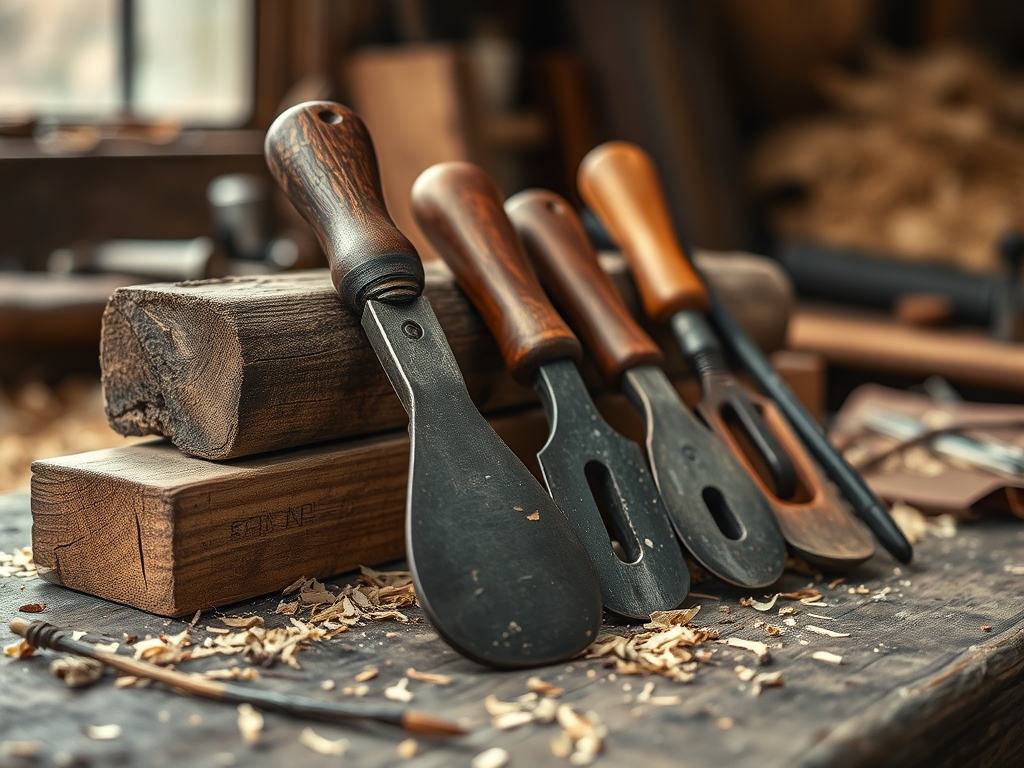
To execute this properly, you need a kit that balances chemistry and physics. First, grab a set of stainless steel mesh laundry bags. These allow for maximum water flow while preventing the fibers from drifting and tangling. You will also need a digital immersion thermometer to track the water temperature precisely; even a five degree fluctuation can change how the lipids respond.
For the cleaning agent, we are skipping the harsh sulfates. Instead, we use a high-pH natural soap or a specialized wool wash that contains plant-derived surfactants. These molecules have a hydrophilic head and a lipophilic tail that latch onto the grease and pull it into the water column. If you cannot find a specific wool wash, a Material Substitution would be a clear, fragrance-free dish soap with a neutral pH, though you must monitor the suds closely to avoid excessive rinsing.
You will also need a rotary drying rack or a series of mesh screens to allow for 360-degree airflow during the drying phase. For the "pick" or the initial opening of the locks, a small flick carder or even a clean stiff-bristled brush will help you clear the "tips" of the wool where the most dirt accumulates. Finally, keep a pair of calipers nearby if you are checking the staple length consistency across the fleece; this helps you sort the premium shoulder wool from the coarser britch wool.
THE TEMPO
The Maker's Rhythm for wool scouring is slow and intentional. You cannot rush the molecular bond breakage of the lanolin. Expect to spend approximately four to six hours on the active washing phase for a full fleece, though much of this is "soak time."
The initial "skirting" and sorting take about an hour of high-focus tactile work. Each soak cycle lasts twenty minutes; any longer, and the water cools down, causing the dissolved grease to redeposit back onto the fiber. The drying phase is the longest, requiring 24 to 48 hours depending on the ambient humidity and the porous nature of the specific sheep breed. Do not attempt to use a mechanical dryer; the tumbling action combined with residual moisture is a recipe for instant felting.
THE CORE METHOD
1. The Cold Water Skirting
Before water touches the wool, spread the fleece out on a flat surface. You are looking for "VM" or vegetable matter. Remove the heavily soiled edges and any large clumps of hay. Use your hands to feel for the tensile strength of the locks; if a lock snaps when you pull it, the wool is "tender" and requires extra gentle handling.
Mastery Tip: This step utilizes mechanical separation. By shaking the fleece over a mesh screen, you allow heavy inorganic particulates like sand and grit to fall away before they become trapped in the wet fibers.
2. The Thermal Shock Soak
Fill your basin with water at exactly 140 degrees Fahrenheit (60 degrees Celsius). This is the magic number where lanolin hits its melting point. Submerge your mesh bags of wool slowly. Do not agitate. Do not stir. Let the water do the work.
Mastery Tip: This relies on thermal liquefaction. The heat reduces the viscosity of the lanolin, allowing the surfactants to encapsulate the oil droplets more efficiently.
3. The Surfactant Bath
Drain the first soak and refill with fresh 140-degree water and your natural soap. Gently push the bags down to ensure full saturation. The soap breaks the surface tension of the water, allowing it to penetrate the dense, crimped structure of the wool locks.
Mastery Tip: Observe the capillary action as the soapy water climbs up the fiber shaft. If the water stays clear, you have enough soap; if it turns murky brown instantly, you may need a second soapy bath.
4. The Double Rinse
Rinse the wool in water that is the same temperature as the wash water. Sudden temperature drops cause the scales on the wool fiber to lock together, which is the physical cause of felting. Continue rinsing until the water is completely clear and no longer feels "slick."
Mastery Tip: Maintaining thermal equilibrium is vital. Consistent temperature prevents the cuticle scales from expanding and contracting violently, which preserves the "crimp" or the natural bounce of the fiber.
5. The Centrifugal Spin
Place the wet bags in a top-loading washing machine and set it to the "spin only" cycle. Do not let the machine spray water on the wool. The centrifugal force will pull the excess moisture out of the fibers without any friction or rubbing.
Mastery Tip: This uses centripetal acceleration to remove water. Because there is no agitation, the fibers remain parallel and organized, making the subsequent carding process much easier.
THE TECHNICAL LEDGER
Maintenance & Longevity: Once cleaned, wool is susceptible to moths and moisture. Store your scoured wool in breathable cotton bags rather than plastic. Plastic can trap residual moisture, leading to mildew and the breakdown of the protein chains in the fiber.
Material Variations:
- Sustainable: Use soap nuts or horse chestnuts for a completely closed-loop chemical process.
- Recycled: Repurpose old window screens as drying racks to maximize airflow.
- Premium: Fine breeds like Merino or Cormo have a higher grease content and may require a third wash cycle to reach a "crisp" handle.
The Correction:
- The Mistake: The wool feels "sticky" after drying. The Fix: This is residual lanolin. Re-soak in 140-degree water with a high-strength surfactant.
- The Mistake: The tips are matted together. The Fix: Use a flick carder to gently open the ends while the wool is slightly damp.
- The Mistake: The wool smells "sour." The Fix: This indicates bacterial growth from slow drying. Re-wash with a splash of white vinegar to reset the pH and dry in a high-airflow area.
Studio Organization: Label each bag with the breed, the date of the wash, and the weight. Store these on high shelves away from sunlight to prevent UV degradation of the natural pigments.
THE FINAL REVEAL
Look at that transformation! What started as a heavy, greasy heap is now a pile of luminous, airy locks. When you squeeze a handful, it should spring back instantly, showcasing the incredible elasticity of the fiber. The colors are brighter, the "handle" is soft and silky, and the sheepy scent has been replaced by the clean, earthy aroma of pure protein fiber. You have successfully navigated the physics of scouring without a single harsh chemical in sight.
STUDIO QUESTIONS
How do I know if the water is hot enough?
Use a digital thermometer to confirm the water is at least 140 degrees Fahrenheit. This is the critical melting point for sheep lanolin; anything cooler will simply move the grease around rather than removing it from the fiber.
Can I use vinegar in the rinse?
Yes, adding a splash of white vinegar to the final rinse helps neutralize the pH. Since wool is naturally slightly acidic, this helps the cuticle scales lay flat, resulting in a smoother, shinier fiber that is easier to spin.
What happens if I agitate the wool?
Agitation causes the microscopic scales on the wool fibers to interlock and tangles them permanently. This process is called felting. Once wool is felted, it cannot be reversed, and the fiber loses its ability to be carded or spun.
How long does raw wool take to dry?
Depending on the humidity and airflow, it usually takes 24 to 48 hours. Always dry wool on a mesh rack in a shaded area. Direct sunlight can make the fibers brittle and cause yellowing of the natural white proteins.