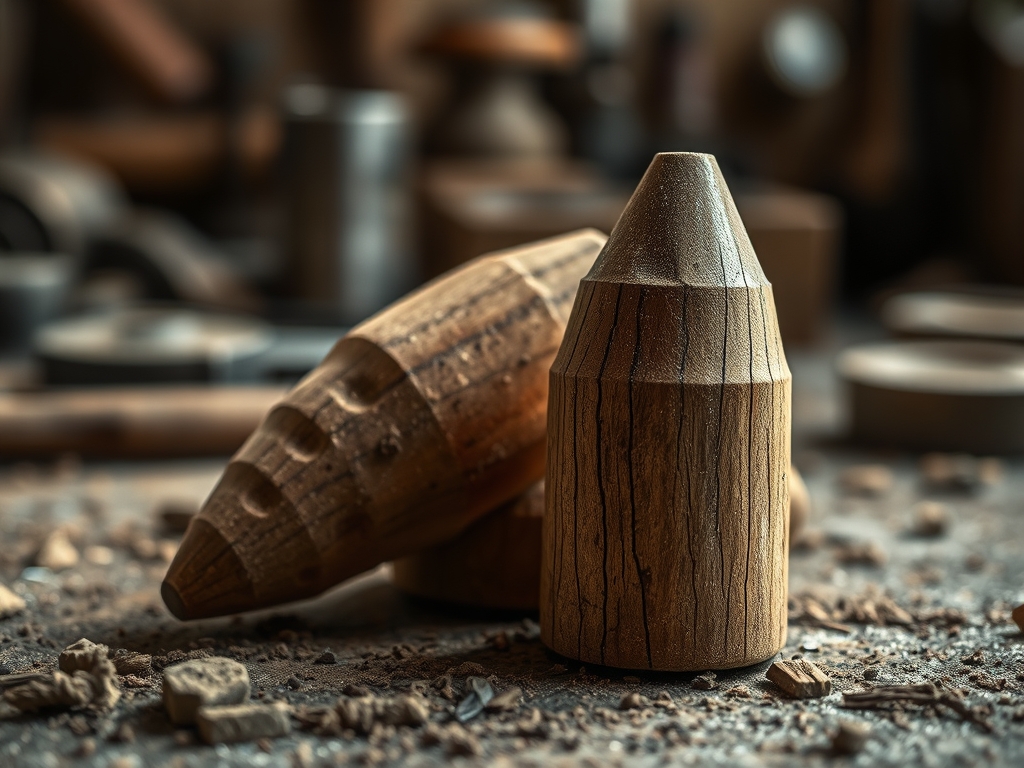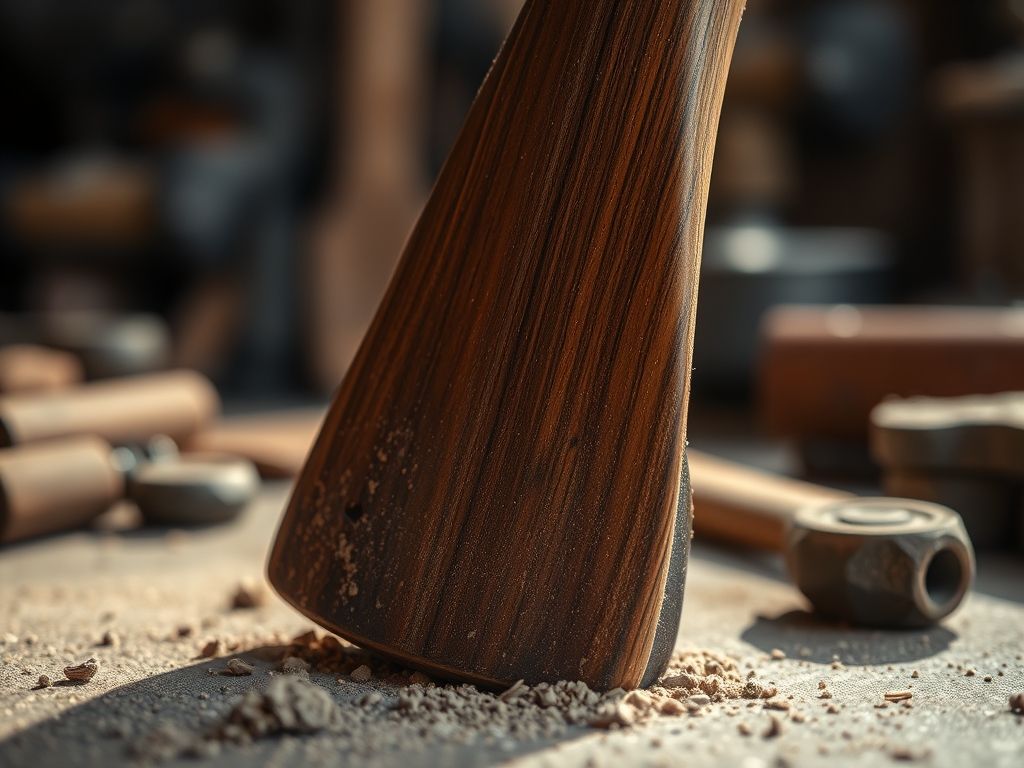
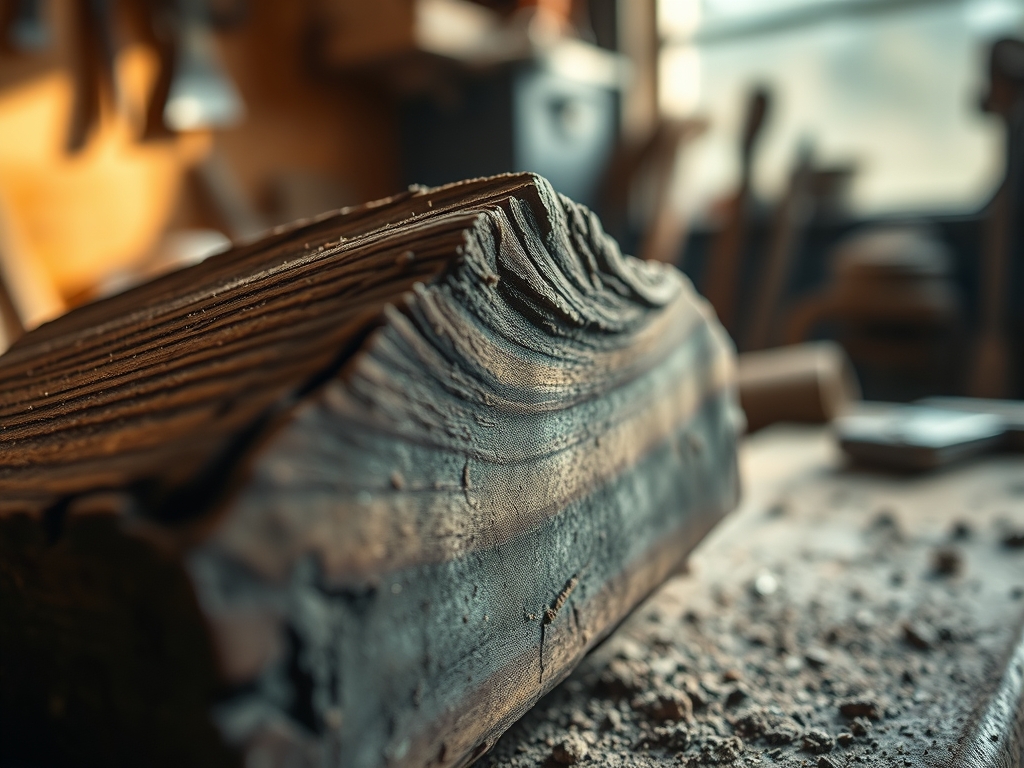
Close your eyes and run your fingers over the grain of a hand-planed walnut board or the cool, dense weave of organic linen. You can feel the difference immediately because handmade objects possess a structural soul that mass-produced plastic simply cannot replicate. When we talk about The Sustainable Gift Choice, we are looking at the intersection of high-end physics and ethical consumption. Most factory-made goods rely on high-velocity injection molding or rapid-fire chemical bonding that creates a fragile, non-repairable product. In contrast, a handmade item is built with an understanding of tensile strength and material longevity. By choosing a gift crafted by a human, you are opting for a lower carbon footprint and a higher degree of mechanical integrity. We are moving away from the "disposable" culture and stepping into a studio where every gram of material is accounted for. This is about more than just aesthetics; it is about the kinetic energy transferred from the maker to the object. Every tactile sensation, from the weight of a hand-thrown ceramic mug to the smell of vegetable-tanned leather, tells a story of intentionality and environmental stewardship.
THE STUDIO KIT
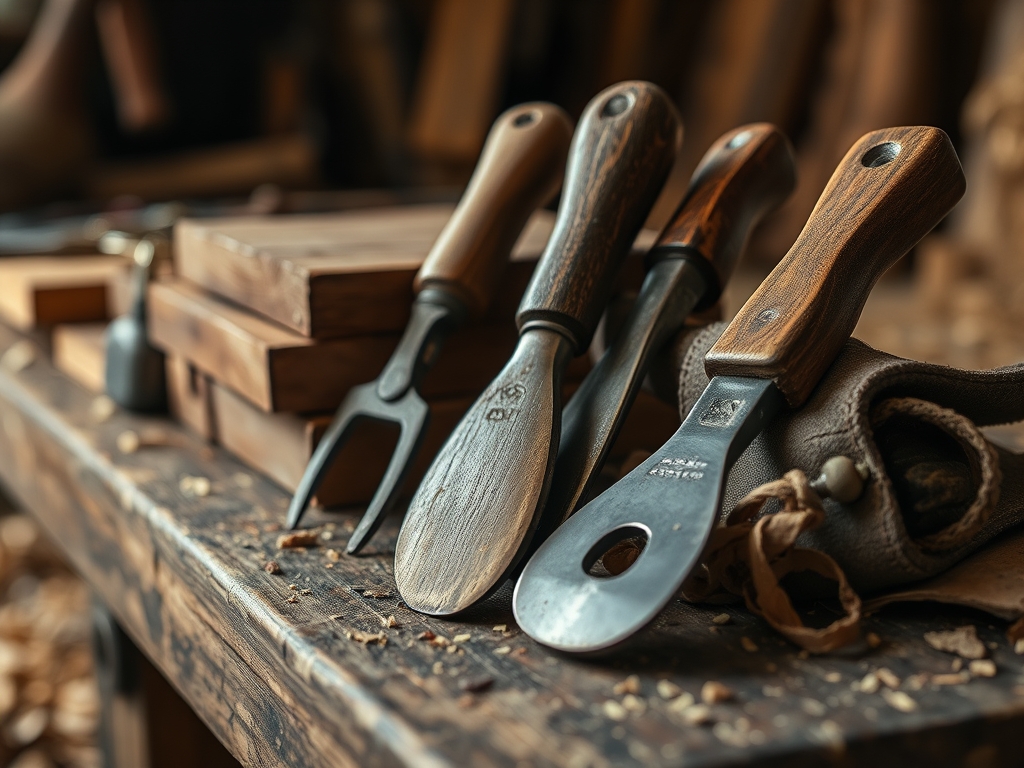
To master the art of the sustainable build, you need a kit that respects the porous nature of organic materials while providing the precision of industrial engineering. Start with a high-quality steel awl for piercing dense fibers without tearing the surrounding cell structure. You will also need calipers to measure thickness down to the millimeter, ensuring that your gauge remains consistent throughout the assembly. For textiles or paper, a bone folder is essential for creating crisp, permanent creases by compressing the cellulose fibers without breaking them. If you are working with wood or hard polymers, an oscillating tool provides the controlled vibration needed for delicate cuts that a standard saw would shatter.
Material Substitutions: If you cannot source virgin beeswax for sealing, use soy-based carnauba wax; it offers a similar hydrophobic barrier but with a lower melting point. Instead of synthetic glues, look for rabbit-skin glue or cornstarch-based adhesives which provide excellent shear strength while remaining entirely biodegradable. Always prioritize materials with a high ply count or dense grain, as these naturally resist the wear and tear of daily use.
THE TEMPO
The "Maker's Rhythm" is not just a poetic concept; it is a calculated management of curing times and thermal regulation. A master crafter knows that rushing the evaporation rate of a finish or the cooling of a mold leads to internal stress fractures.
Phase one, the Prep State, usually takes two to three hours. This involves calibrating your tools and stabilizing the moisture content of your raw materials. Phase two is the Active Build, which can span anywhere from five to twenty hours depending on the complexity of the interlocking joints or stitch patterns. Finally, the Setting Phase is the most critical. This is the forty-eight-hour window where the item reaches its final structural equilibrium. During this time, the item settles into its permanent shape, and any chemical bonds reach their maximum molecular density. Respecting this tempo ensures your gift lasts for decades rather than weeks.
THE CORE METHOD
1. Grain Alignment and Structural Mapping
Before the first cut, you must analyze the fiber direction of your material. In woodworking or leathercraft, the direction of the grain determines how the object will handle torsional stress.
Mastery Tip: Use a bright LED sidelight to reveal the microscopic "hills and valleys" of the surface. By aligning your cuts with the natural longitudinal axis of the material, you maximize the tensile strength and prevent future warping or splitting.
2. Precision Piercing and Tension Control
When joining two pieces, whether by thread or mechanical fastener, the borehole must be exact. Using an awl or a high-speed drill bit, create paths that allow for a "friction fit."
Mastery Tip: This relies on capillary action when applying finishes. If your holes are too large, the finish will pool and weaken the bond. A perfect fit ensures that the tension is distributed evenly across the entire surface area of the joint.
3. The Burnishing Process
Burnishing is the act of sealing the edges of a material through heat and friction. Using a wooden slicker or a smooth stone, rub the edges until they become glossy and hard.
Mastery Tip: This process utilizes friction-induced thermoplasiticity. The heat generated by your movement slightly melts the surface fibers, fusing them into a solid, water-resistant barrier that protects the core from oxidative degradation.
4. Final Surface Stabilization
The last step is applying a protective layer that allows the material to "breathe" while repelling contaminants. This is where the viscosity of your sealant matters most.
Mastery Tip: Apply your sealant in thin, multiple layers to ensure deep penetration into the substrate. This creates a layered defense system that improves the abrasion resistance of the final piece without making it brittle.
THE TECHNICAL LEDGER
Maintaining a handmade item is an exercise in preventative physics. Because these items are made of organic compounds, they respond to their environment. To ensure longevity, keep handmade goods away from direct UV light, which can break down molecular bonds and cause fading.
Material Variations:
- Sustainable: Reclaimed driftwood or recycled PET felt.
- Recycled: Upcycled brass hardware or salvaged industrial leather.
- Premium: Grade-A vegetable-tanned hides or FSC-certified hardwoods.
The Correction:
- The Gap: If a joint has a gap, do not use filler. Use a wedge of the same material to create a mechanical lock.
- The Fray: If a thread pulls, use a tapered needle to weave it back into the center of the ply rather than cutting it.
- The Warp: If wood bows, use controlled humidity and counter-pressure to return it to its original plane.
Studio Organization: Store your projects in acid-free containers with silica packets. This regulates the relative humidity and prevents the growth of fungal spores that thrive on natural starches and proteins.
THE FINAL REVEAL
Behold the power of the intentional object! When you hold the finished piece, you aren't just holding a "thing"; you are holding a masterclass in applied physics. The weight is balanced, the edges are smooth through mechanical polishing, and the joints are tight enough to withstand years of kinetic use. This is why handmade items are the ultimate sustainable choice. They are built to be repaired, not replaced. They carry the energy of the studio and the precision of a maker who understands that quality is the best form of environmentalism. Your gift is now a legacy piece.
STUDIO QUESTIONS
Why is handmade more durable than factory-made?
Handmade items utilize superior joint geometry and hand-selected materials with optimal grain direction. Factories prioritize speed, often using glues that fail under heat, whereas makers use mechanical fasteners and finishes that improve with age and tactile friction.
How does choosing handmade reduce my carbon footprint?
Handmade production bypasses the high-emission logistics of global supply chains. By using local materials and manual tools like the jeweler's saw, you eliminate industrial energy waste and prevent the environmental toll of mass-scale plastic manufacturing.
Can I repair a handmade item myself?
Yes. Handmade items are designed with exposed architecture, making it easier to identify the point of failure. Using basic tools like a rotary cutter or sandpaper, you can restore the surface without specialized industrial machinery.
What makes a material "sustainable" in crafting?
A material is sustainable if it has a high circularity index. This means it can be composted, recycled, or repurposed without releasing toxins. Natural fibers and woods are preferred for their biodegradable properties and low embodied energy.
How do I know if a gift is truly handmade?
Look for intentional irregularities and signs of tool marks, such as slight variations in stitch tension or grain alignment. These "maker's marks" prove the item was shaped by human hands rather than a computer-numerical control (CNC) machine.