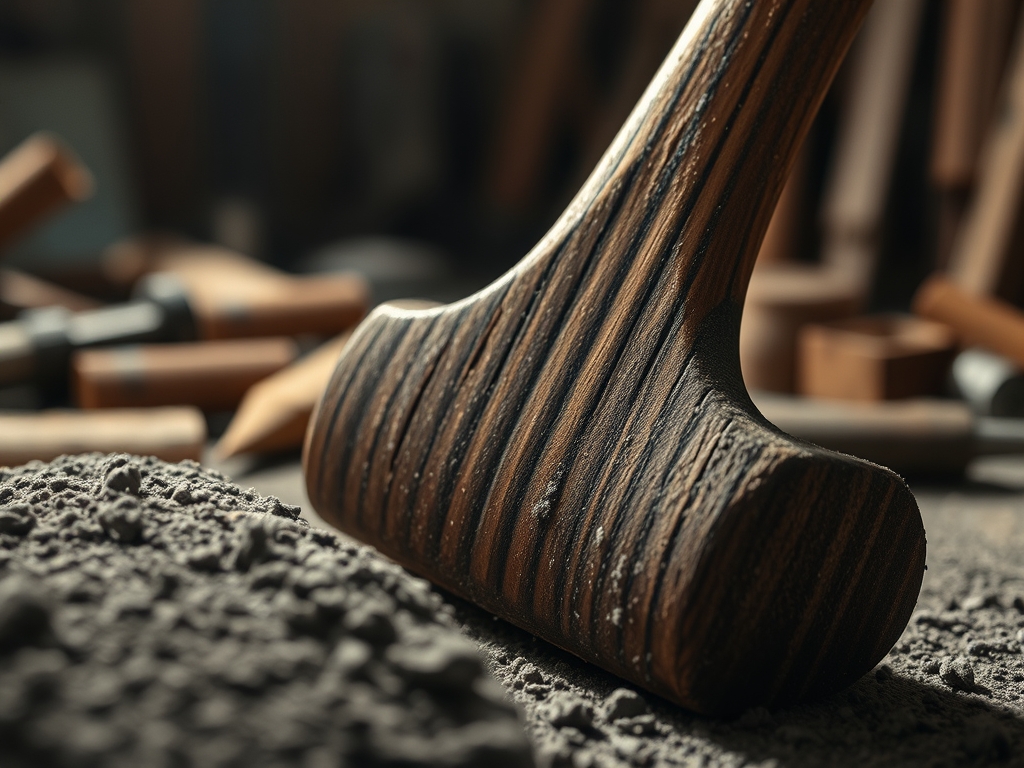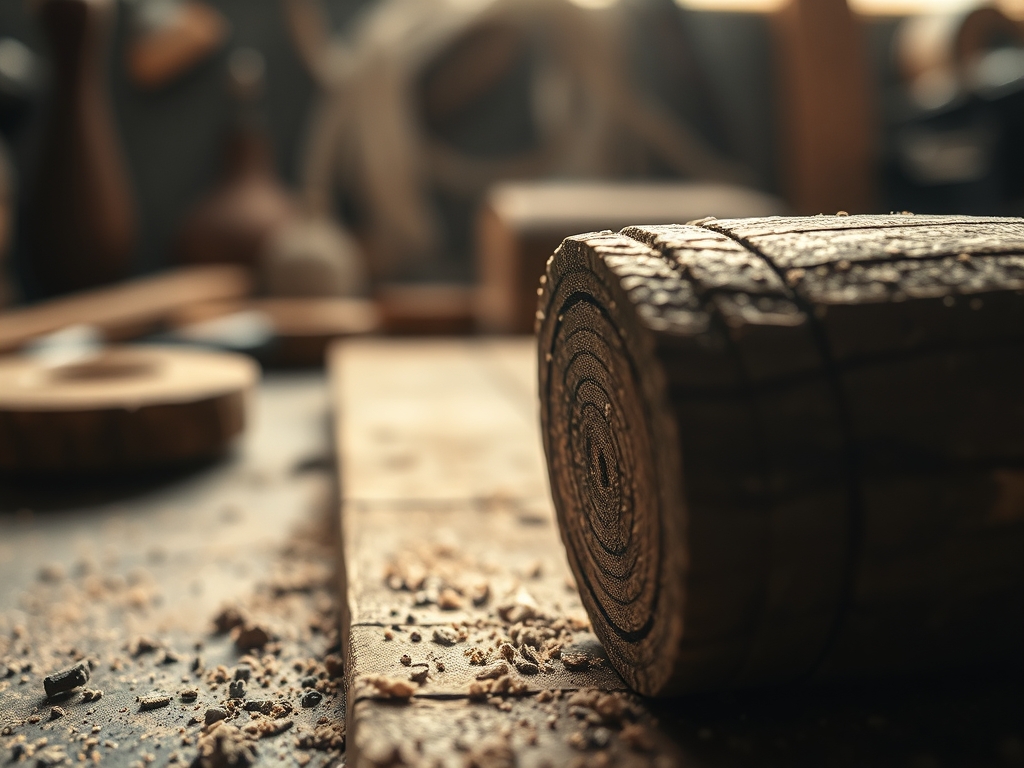

Imagine the smell of a rain-drenched cedar deck meeting the sharp, acidic bite of a morning espresso. That is the scent of a workshop transformation. When you run your thumb across raw, unfinished pine, you feel the porous grain waiting to drink. We are not just painting a surface; we are triggering a chemical marriage between cellulose and tannin. Finding the perfect Natural Wood Stain Recipes is about more than aesthetics. It is about the physics of saturation. You want that deep, weathered charcoal or that warm, honeyed amber without the chemical haze of synthetic VOCs. As a maker, I crave the tactile feedback of the wood grain rising as it absorbs the solution. We are going to manipulate the capillary action of the timber to change its very identity. Grab your safety glasses and a stirring stick. We are diving into the beautiful, messy science of kitchen-cabinet alchemy where vinegar meets metal and coffee meets fiber to create something timeless.
THE STUDIO KIT
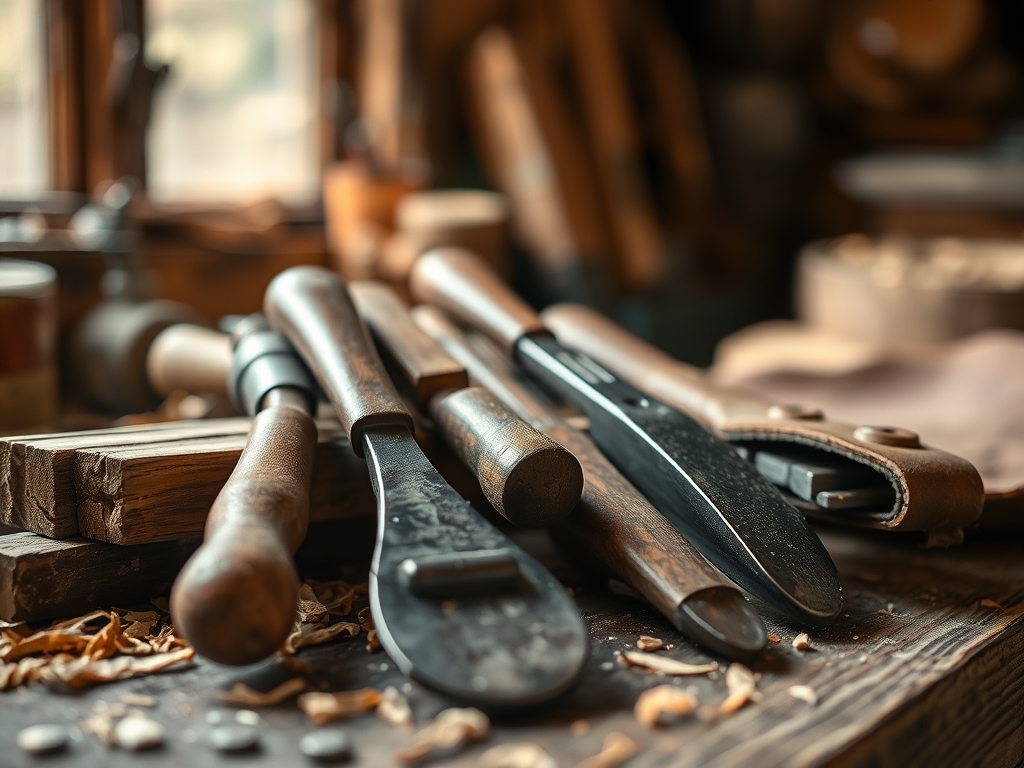
To master these Natural Wood Stain Recipes, you need a kit that balances precision with raw reaction. First, gather your distilled white vinegar; the acidity is the catalyst for the iron oxidation process. You will also need Grade 0000 steel wool. The fine gauge of this wool allows for a faster breakdown of the metal fibers when submerged in the acid. For the coffee component, use a dark roast with high oil content to maximize the lipid-based staining power.
Your technical tools are non-negotiable. You will need a digital caliper to measure the depth of the wood grain if you plan on sanding between coats. A high-quality synthetic bristle brush or a lint-free tack cloth is essential for even application. For Material Substitutions, if you lack steel wool, rusted iron nails work, though the reaction takes longer due to the lower surface-area-to-volume ratio. If coffee is too acidic for your specific wood species, black tea offers a high-tannin alternative that provides a more neutral brown without the oily residue. Always keep an oscillating tool with a fine-grit sanding pad nearby to buff out any raised grain caused by the moisture.
THE TEMPO
The "Maker's Rhythm" is a dance of patience and timing. This is not a project you finish in twenty minutes. The oxidation phase for the vinegar and steel wool requires a minimum of 24 to 48 hours. You are waiting for the acetic acid to dissolve the iron, creating a solution of iron acetate. If you rush this, the color will be weak and translucent.
The application phase moves faster, taking about 30 minutes per coat, but the evaporation rate dictates your break times. You must allow the wood to dry completely between layers to prevent the tensile strength of the surface fibers from weakening due to oversaturation. Finally, the curing phase takes another 24 hours. During this time, the tannins in the wood continue to react with the iron acetate, deepening the hue even after the liquid has vanished. Respect the clock, or the wood will punish you with blotches.
THE CORE METHOD
1. The Acidic Breakdown
Submerge your steel wool in a glass jar of vinegar. Do not seal the lid tightly; the chemical reaction releases hydrogen gas, and you do not want a pressurized glass bomb in your studio. Let it sit until the wool has visibly disintegrated into a murky, dark tea color.
Mastery Tip: This is a study in molecular suspension. The finer the steel wool, the more iron ions are suspended in the liquid. If the solution is too concentrated, it can become caustic and damage the lignin that holds the wood fibers together.
2. The Tannin Pre-Wash
While your iron solution brews, brew a pot of triple-strength coffee. Apply the hot coffee directly to your sanded wood. The heat helps open the stomata of the wood, allowing the liquid to penetrate deeper into the vascular bundle.
Mastery Tip: This step utilizes osmotic pressure. By saturating the wood with coffee first, you are "loading" the wood with extra tannins. This is crucial for low-tannin woods like pine or maple, which otherwise would not react strongly to the vinegar solution.
3. The Chemical Marriage
Once the coffee is dry to the touch, brush on the iron acetate solution. You will see an instant transformation. The wood will shift from brown to a weathered grey or deep ebony. This is a redox reaction happening right before your eyes.
Mastery Tip: Watch the surface tension. If the liquid beads up, your wood is not sanded deeply enough or has a factory seal. Use a burnishing technique with a dry cloth to force the solution into the grain if the absorption seems sluggish.
4. The Neutralization and Buff
After the desired color is reached, wipe the wood down with a damp cloth to remove any excess acidity. Once dry, use a bone folder or a very fine sanding block to lay down any fibers that "fuzzed up" during the wet stages.
Mastery Tip: This addresses the structural integrity of the surface. Water-based stains naturally raise the grain. Buffing it back down ensures the final piece is ergonomic and smooth to the touch rather than prickly.
THE TECHNICAL LEDGER
Maintenance & Longevity: Natural stains are light-sensitive. To prevent UV degradation of the iron acetate, you must seal the piece with a polyurethane or a natural wax. Without a sealer, the color will continue to oxidize and may eventually turn a dull, dusty brown.
Material Variations:
- Sustainable: Use leftover coffee grounds and recycled rusty hardware.
- Premium: Use balsamic vinegar for a richer, redder undertone and high-end espresso for maximum pigment density.
- Recycled: Old pallet wood is perfect for this as the high mineral content from outdoor exposure creates wild, unpredictable color shifts.
The Correction:
- The Blotchy Patch: This happens due to uneven porosity. Fix it by lightly sanding the dark area and re-applying a diluted coffee wash to blend.
- The Blue Tint: Too much iron and not enough tannin creates a blue-grey. Fix it by adding a layer of high-tannin black tea over the top.
- The Gritty Texture: This is leftover steel wool particles. Use a magnet wrapped in a cloth to pull the metal shards off the wood before sealing.
Studio Organization: Store your iron acetate solution in a plastic container with a vented lid. Label it clearly with the date and the concentration ratio. Keep it away from your metal tools, as the fumes can trigger flash-rusting on your expensive jeweler's saw or calipers.
THE FINAL REVEAL
There is a specific electricity in the air when you pull the tape off a finished project. The wood no longer looks like a hardware store 2×4; it looks like a relic pulled from a historic shipwreck. The coffee has provided a foundational warmth, while the vinegar and iron have added a sophisticated, aged "driftwood" patina. The grain is popping with a tactile depth that synthetic stains simply cannot replicate. You have successfully navigated the physics of fluid dynamics and chemical bonding to create a piece that is as much a science experiment as it is a work of art. It feels heavy, expensive, and deeply intentional.
STUDIO QUESTIONS
Does the vinegar smell stay on the wood?
No, the acetic acid evaporates completely during the drying process. Once the wood is fully cured and sealed with a topcoat, any residual scent vanishes, leaving only the natural woody aroma of the timber.
Can I use this on plywood or veneers?
Yes, but be cautious with the liquid volume. Plywood uses glues that can delaminate if the wood becomes too saturated. Apply thin, controlled layers with a tack cloth to maintain the structural glue bonds.
Why did my wood turn pitch black?
This is a result of high tannin density. Woods like oak or walnut react aggressively to iron acetate. If it is too dark, dilute your vinegar solution with distilled water to slow the reaction.
Do I need to sand between every coat?
Only if the grain has significantly lifted. Use a high-grit sandpaper (320 or above) to lightly knock down the "fuzz." This ensures the final surface is ergonomic and smooth for daily use.
Is this stain food-safe for cutting boards?
While the ingredients are natural, the iron acetate reaction can be unstable. For items in direct contact with food, it is safer to stick to pure coffee or tea stains followed by a food-grade mineral oil.