Imagine the sharp, crisp scent of pine needles crunching under your boots while the morning mist clings to your jacket. You are out in the wild, hunting for the perfect organic components to breathe life into your weaving projects. Foraging For Bird Feathers is the ultimate scavenger hunt for the soul; it requires a keen eye for the iridescent sheen of a magpie or the soft, mottled down of a hawk. When you find that one perfect quill, the tactile feedback is instant. You feel the structural rigidity of the rachis against the velvet softness of the barbs. These are not just decorations; they are aerodynamic masterpieces of evolution. Every single specimen you collect carries its own tensile strength and unique curvature, dictating exactly how it will hang from your hoop. We are looking for pieces that offer both flexibility and durability. This is where the physics of the forest meets the geometry of your studio. We are not just making a craft; we are engineering a legacy of natural beauty.
THE STUDIO KIT
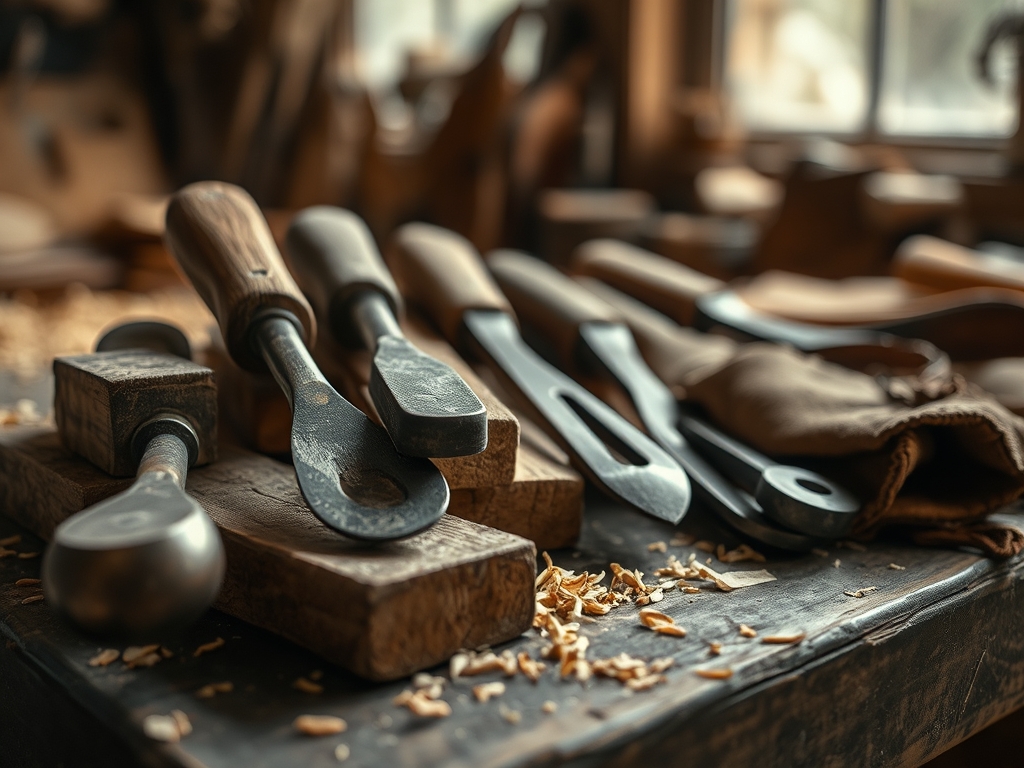
To handle these delicate biological structures, your kit needs to be as precise as a laboratory. You will need a pair of precision calipers to measure the diameter of the quills, ensuring they fit perfectly into your chosen beads. A high quality awl is essential for clearing the pith from the hollow center of larger shafts if you plan on threading them directly. You should also have a bone folder on hand to smooth out any ruffled barbs without damaging the microscopic hooks that hold the feather together. For the structural ring, a rotary cutter helps slice leather strips with perfect edge alignment, while a jeweler's saw can be used if you are fashioning custom metal accents.
If you cannot find specific natural elements, consider Material Substitutions. High grade silk ribbons can mimic the fluid movement of a plume, and hand carved wooden slats can provide the same structural integrity as a heavy quill. Synthetic faux fur strips are also a great alternative for adding bulk without the weight, though they lack the natural porous quality that allows real feathers to take on botanical dyes so beautifully.
THE TEMPO
The rhythm of this project is divided into three distinct movements. First is the Acquisition Phase, which can take anywhere from two hours to a full weekend depending on your local ecosystem. This is followed by the Sanitization Interval, a mandatory forty eight hour period where materials are frozen or treated to ensure no microscopic hitchhikers enter your studio. Finally, the Assembly Movement takes about four to six hours of focused "Maker's Rhythm." This is the flow state where your hands move instinctively, balancing the gauge of your thread against the weight of your accents. You cannot rush the tensioning of the web; if you pull too fast, you risk snapping the cord or warping the hoop.
THE CORE METHOD
1. The Foundation Wrap
Begin by securing your base material to the hoop using a clove hitch knot. Use your bone folder to burnish the leather or fabric against the ring, ensuring there are no air pockets.
Mastery Tip: This relies on friction coefficients. By burnishing the wrap, you increase the surface area contact between the material and the hoop, preventing the "spinning" effect that ruins the tension of the inner web.
2. Geometric Webbing
Using a high ply waxed polyester thread, begin weaving your nodes at equal intervals. Use your calipers to check the distance between each hitch to ensure perfect radial symmetry.
Mastery Tip: This is all about tensile distribution. As you move toward the center, the cumulative pull on the hoop increases. Keeping your intervals mathematically even prevents the hoop from collapsing into an oval shape under the stress.
3. Quill Preparation
Take your foraged finds and trim the very tip of the calamus with a sharp blade. If the feather is oily, a light wipe with isopropyl alcohol will help.
Mastery Tip: Understanding capillary action is vital here. If you use too much adhesive or liquid cleaner, the hollow shaft will suck the moisture up into the barbs through the pith, causing permanent clumping and ruining the aerodynamic lift of the feather.
4. Weighted Integration
Attach your feathers to the bottom of the hoop using crimp beads or delicate wire wraps. Ensure the heaviest feathers are placed at the lowest point of the arc.
Mastery Tip: This utilizes the center of gravity. By placing the densest materials at the six o clock position, you create a natural plumb line that ensures the dream catcher hangs perfectly vertical even in a light breeze.
THE TECHNICAL LEDGER
Maintenance & Longevity: To keep your natural accents from becoming brittle, keep them out of direct sunlight which breaks down the proteins in the feathers. A light dusting with a soft makeup brush once a month prevents debris from weighing down the barbs.
Material Variations:
- Sustainable: Foraged driftwood and naturally shed feathers.
- Recycled: Strips of vintage sari silk or unraveled wool sweaters.
- Premium: Sterling silver spacers and semi precious stones like turquoise or black tourmaline.
The Correction:
- The Sagging Web: If your center is loose, do not untie it. Use a drop of clear resin on the loose node to "lock" the thread in place.
- The Frayed Quill: If a feather splits, use a tiny amount of water on your fingertips to "zip" the barbs back together. The microscopic hooks (barbicels) will re engage.
- The Warped Hoop: If your hoop bends, you have over tensioned one side. Add a counter weight of heavy beads to the opposite side to pull the frame back into a circle.
Studio Organization: Store your feathers in flat, breathable acid free boxes. Never use plastic bags for long term storage, as trapped moisture can lead to mold. Label your boxes by species and grain direction to make selection easier during your next session.
THE FINAL REVEAL
There is nothing quite like the moment you lift your finished piece and see the light catch the iridescent tips of those foraged feathers. It is a symphony of textures; the rugged leather, the geometric precision of the thread, and the ethereal lightness of the plumes. You have taken disparate pieces of the wilderness and engineered them into a balanced, beautiful object. It feels substantial yet airy, a perfect reflection of the forest floor and the open sky. Your studio is now a place where physics and art have successfully shaken hands.
STUDIO QUESTIONS
How do I clean feathers found in the woods?
Place them in a sealed bag and freeze for forty eight hours to kill pests. Afterward, gently wipe the barbs with a damp cloth and use a hair dryer on the lowest, coolest setting to restore their natural loft and volume.
What is the best thread for a tight web?
Use a four ply waxed nylon or polyester thread. The wax coating provides the necessary friction to hold your knots in place while you transition between nodes, ensuring the tension remains consistent throughout the entire weaving process.
Can I use feathers from any bird I find?
No, you must check local laws like the Migratory Bird Treaty Act. Many feathers, especially from birds of prey, are illegal to possess. Always stick to common game birds or non migratory species to stay legally and ethically compliant.
How do I stop my leather wrap from unraveling?
Apply a thin layer of contact cement to the hoop before wrapping. This creates a permanent bond between the leather and the frame, ensuring that the tensile pressure of the inner web does not cause the wrap to shift or slide.
Why are my feathers drooping downward?
This usually indicates a lack of structural support at the attachment point. Use a small piece of wire or a stiff crimp bead to create a "spine" for the quill, allowing it to hold its shape against the force of gravity.