The scent of raw, unbleached cotton is surprisingly earthy; it smells like a rain-drenched field before it ever touches a chemical vat. When you run your thumb across the grain of a heavy linen, you feel the microscopic ridges of the flax plant fibers. This is where my obsession begins. I am ditching the disposable high street cycle because The Sustainable Fashion Goal is no longer just a trend for me; it is a technical necessity for my wardrobe. Most people do not realize that fast fashion relies on short-staple fibers that possess almost zero tensile strength. They are designed to pill, stretch, and disintegrate after three washes. By making my own pieces, I am reclaiming the physics of durability. I want garments that behave like structural engineering. I want seams that hold under pressure and fabrics that breathe because their porous structure has not been choked by synthetic resins. We are moving beyond just "sewing" into the realm of textile architecture. It is time to treat our bodies like the high-end galleries they are.
THE STUDIO KIT
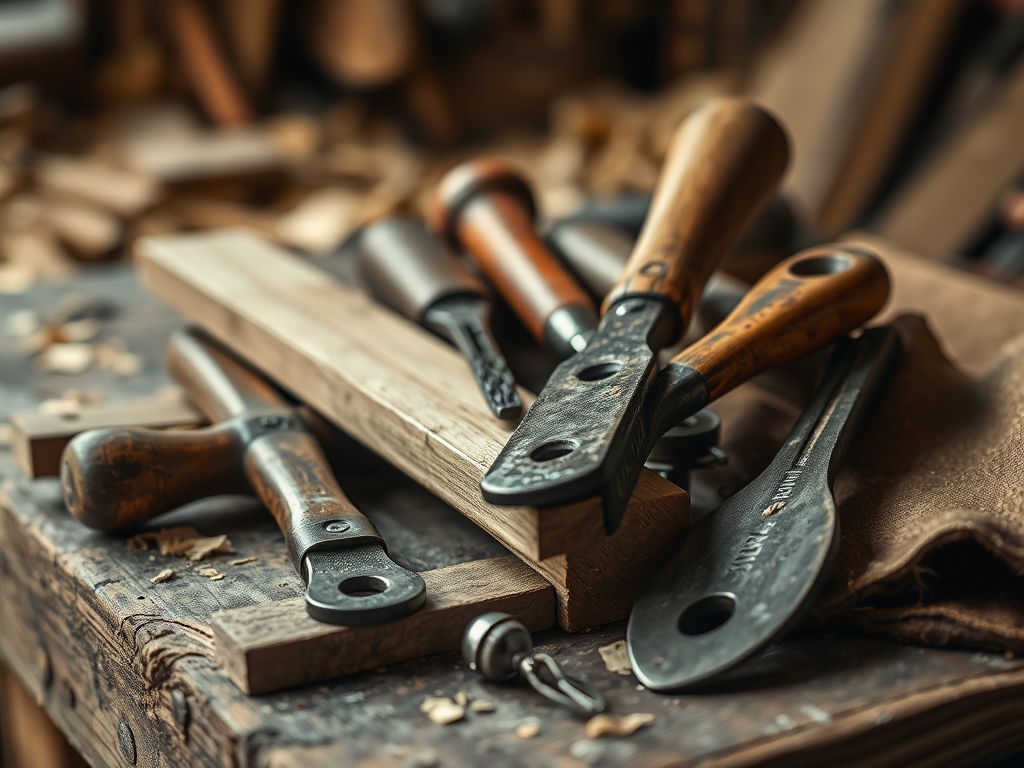
To master The Sustainable Fashion Goal, your toolkit needs to look less like a hobby box and more like a precision laboratory. You cannot achieve professional results with dull kitchen shears. I rely on a rotary cutter with a tungsten carbide blade for crisp, zero-fray edges. You will also need a set of calipers to measure the exact thickness of your seams; this ensures your machine tension is calibrated correctly for the material gauge. For heavy denim or canvas, a bone folder is essential to crisp your hems before they ever hit the iron.
Material Substitutions: If you cannot source organic hemp, look for Tencel or Lyocell. These are regenerated cellulose fibers that offer incredible drape and high moisture-wicking properties. If a pattern calls for synthetic interfacing, swap it for a silk organza. It provides the same structural rigidity without the risk of delamination or "bubbling" during a high-heat press. Always check the ply of your thread; a three-ply polyester-wrapped core is the gold standard for longevity.
THE TEMPO
The "Maker's Rhythm" is not about speed; it is about respecting the molecular relaxation of the fabric. When you unroll a fresh bolt of linen, it is under tension from the industrial loom. If you cut it immediately, the garment will shrink and skew the moment it hits water. I allow my fabrics a forty-eight-hour "rest" period after pre-washing. This allows the fibers to return to their natural state.
The blueprinting phase usually takes four hours of focused drafting. The cutting phase requires two hours of precision alignment with the warp and weft. The actual construction is the longest stretch, often spanning twenty hours for a tailored jacket. You have to sync your breath with the foot pedal. It is a meditative, high-stakes dance where a single millimeter of deviation can ruin the ergonomic fit of a sleeve cap.
THE CORE METHOD
1. Trueing the Grain
Before a single blade touches the cloth, you must ensure the horizontal and vertical threads are perfectly perpendicular. Pull a single thread across the width of the fabric to create a visible path. This ensures that the structural integrity of the garment remains stable over years of wear.
Mastery Tip: This relies on the physics of orthogonal weaving. If the grain is skewed, the garment will "torque" or twist around your body because the tension is unevenly distributed across the fibers.
2. The Precision Cut
Lay your pattern pieces using heavy steel weights rather than pins. Pins create microscopic punctures and can distort the surface tension of delicate silks. Use your rotary cutter in a single, fluid motion to maintain a clean edge profile.
Mastery Tip: Using weights prevents "fabric creep," a phenomenon where the bottom layer moves slower than the top layer due to friction against the cutting mat.
3. Calibrated Seaming
Adjust your stitch length based on the weight of the fabric. For a standard mid-weight cotton, 2.5mm is the sweet spot. As you sew, do not pull the fabric; let the feed dogs move the material at their own natural velocity.
Mastery Tip: This prevents puckering, which occurs when the thread tension exceeds the fabric's ability to compress. It is a balance of force and resistance.
4. The Five-Stage Press
Never move to the next seam until the current one is pressed. Use a wooden tailor's clapper to trap steam and heat into the fibers. This flattens the seam allowance into a professional, crisp finish that looks manufactured rather than homemade.
Mastery Tip: This utilizes thermosetting. The heat breaks the hydrogen bonds in the fibers, and the clapper cools them rapidly to "lock" the new shape into place.
THE TECHNICAL LEDGER
Maintenance & Longevity: To keep your handmade pieces in top condition, avoid the dryer at all costs. The high heat causes thermal degradation of the fibers. Instead, use a pH-neutral delicate wash and air dry. This preserves the natural oils in fibers like wool and prevents the brittleness associated with harsh detergents.
Material Variations:
- Sustainable: Organic linen, hemp, and recycled cotton.
- Recycled: Deadstock fabrics from high-end designers.
- Premium: Grade A Mulberry silk or long-staple Egyptian cotton.
The Correction:
- The Bird's Nest: If thread bunches under the fabric, it is usually a threading error in the take-up lever, not the bobbin. Re-thread with the presser foot UP to engage the tension discs.
- Skipped Stitches: This happens when the needle is blunt or the wrong size for the weave density. Switch to a microtex needle for high-density weaves.
- Wavy Hems: This occurs on knits when the fabric is stretched during sewing. Use a walking foot to ensure the top and bottom layers move at the same velocity.
Studio Organization: Store your fabric stash in opaque, breathable cotton bins. Plastic tubs can trap moisture and lead to mildew or oxidation of natural dyes. Keep your patterns flat in architectural files to prevent creasing that could lead to inaccurate measurements in future builds.
THE FINAL REVEAL
There is a specific kind of electricity that runs through you when you slide into a garment that fits your unique geometry. The drape is perfect because you respected the grain. The seams are invisible because you mastered the tension. When I look in the mirror, I do not just see a dress; I see a successful execution of a complex technical plan. The Sustainable Fashion Goal has transformed my closet into a collection of high-performance artifacts. This piece moves with me, breathes with me, and will likely outlive the trend cycle by decades. It feels heavy, substantial, and incredibly expensive, because the labor of my own hands is the ultimate luxury.
STUDIO QUESTIONS
Why does my sewing machine keep jamming on thick seams?
This is usually caused by the presser foot tilting at an angle. Use a "hump jumper" or a scrap of fabric to level the foot. This maintains even pressure and prevents the needle from striking the throat plate.
How do I stop my linen from fraying during the build?
Linen has a loose molecular structure. Use a serger or a zigzag stitch on the raw edges immediately after cutting. This "locks" the yarns in place and prevents the weave from unraveling during handling.
What is the best way to pre-shrink cotton?
Submerge the fabric in the hottest water it can handle for thirty minutes. This triggers relaxation shrinkage. Dry it completely before cutting to ensure your finished garment does not change size after the first laundry cycle.
Can I use a regular iron for professional tailoring?
A standard iron works, but a gravity feed steam iron is superior. It provides consistent high-pressure dry steam, which is necessary to manipulate the fibers without making the fabric soggy or causing water spots.
Is organic cotton actually stronger than regular cotton?
Yes, because it is not treated with harsh sulfuric acids that strip the cellulose wall. Organic fibers retain their natural waxes, which act as a lubricant, increasing the overall flexibility and lifespan of the finished textile.