Imagine the scent of a crisp mountain morning trapped inside a heavy oak drawer. That sharp, resinous punch is exactly why we are Foraging For Cedar Leaves today. It is not just about the smell; it is about the antimicrobial phytoncides that protect your expensive steel tools from the creeping menace of oxidation and rust. When you crush a fresh needle between your thumb and forefinger, you are rupturing the pellicle of the plant cell to release essential oils. We are going to harness that chemical power, wrap it in breathable fibers, and create a climate control system for your workshop that looks as good as it functions.
THE STUDIO KIT
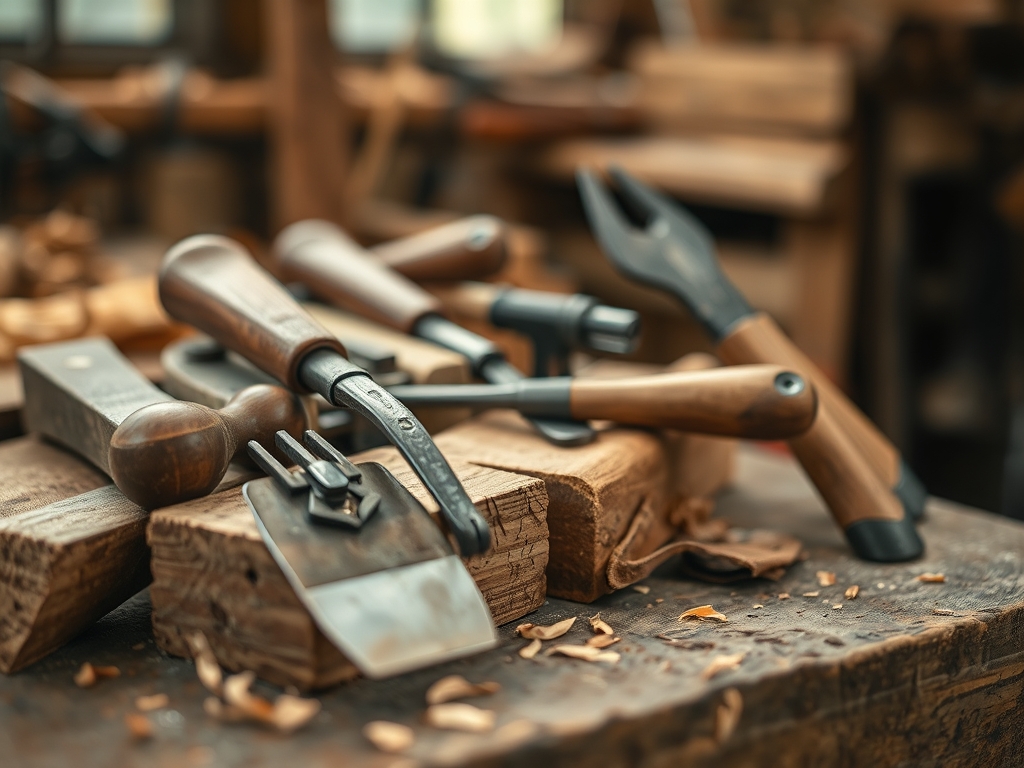
To execute this project with precision, you need a kit that respects the tensile strength of your textiles and the delicate nature of the botanical specimens. We are looking for high vapor permeability in our fabrics to ensure the cedar oils can actually reach your tools.
- Primary Botanical: Freshly harvested Western Red or Eastern Red Cedar.
- Encapsulation Fabric: 100 percent linen or unbleached muslin. These fabrics have a loose warp and weft that allows for maximum airflow.
- Binding Thread: Waxed linen thread or 20 gauge copper wire for a rugged, industrial aesthetic.
- Precision Cutting: A pair of high carbon steel fabric shears and a small set of bypass pruners for the woody stems.
- The Burnisher: A smooth bone folder to crisp your fabric edges before stitching.
- Measuring: A stainless steel ruler or digital calipers to ensure your bundles fit perfectly in the narrow dividers of a machinist chest.
Material Substitutions: If you cannot find linen, a recycled silk scarf works beautifully because silk is naturally hydrophobic and will not hold onto moisture that could damage your tools. Instead of cedar, you can use dried lavender or camphor wood chips, though they lack the same specific gravity and oil density.
THE TEMPO
The "Maker's Rhythm" for this project is divided into three distinct movements. First is the Acquisition Phase (45 minutes), which involves the actual foraging and initial cleaning. You must remove any debris or hitchhiking insects that could introduce organic decay into your tool chest.
Next is the Preparation Phase (30 minutes). This is where you measure, cut, and prep your fabric "envelopes." It is a meditative, repetitive process that relies on consistent geometric alignment. Finally, the Assembly Phase (20 minutes) is where you pack and seal the bundles. Total active time is under two hours, but the desiccation period for the leaves can take up to a week if you prefer a drier, more stable scent profile.
THE CORE METHOD
1. Harvesting for Potency
When you are out in the field, look for the vibrant, lime green tips of the branches. These contain the highest concentration of thujone, the chemical compound responsible for that signature cedar aroma. Use your pruners to take small clippings, ensuring you do not strip the main leader of the tree.
Mastery Tip: Always harvest after the morning dew has evaporated. If you trap external surface moisture inside your fabric bundles, you risk creating a microclimate for mold growth. The goal is to utilize the internal oils, not external water.
2. Calibrating the Fabric Housing
Lay your linen on a flat cutting mat. Use your ruler to mark out rectangles that are roughly four inches by six inches. Use your bone folder to score the fabric where you intend to fold it. This creates a permanent structural memory in the fibers, making the sewing process significantly easier.
Mastery Tip: Pay attention to the grain direction of the fabric. Cutting "on the bias" (diagonally) will allow the fabric to stretch and conform to the bulky shape of the leaves, whereas cutting with the grain provides more structural integrity.
3. Processing the Cedar
Strip the soft needles away from the woody interior stems. You want to maximize the surface area to volume ratio inside the bundle. If the pieces are too large, the bundle will be lumpy; if they are too small, they might sift through the weave of your fabric. Aim for pieces roughly half an inch long.
Mastery Tip: Lightly bruising the leaves with a wooden mallet before stuffing them triggers a chemical release. This mechanical stress breaks down the cell walls, increasing the immediate volatility of the aromatic compounds.
4. The Tension Seal
Fold your fabric over the cedar pile and use a simple running stitch or a whipstitch to close the three open sides. If you are using copper wire, wrap it tightly around the neck of a fabric "pouch" style bundle. Ensure the tension is high enough that the contents cannot shift, but not so tight that you snap the thread.
Mastery Tip: Use a tailor's knot to finish your thread. This relies on friction physics to stay secure. A loose knot will eventually fail due to the constant vibration and movement of opening and closing tool chest drawers.
THE TECHNICAL LEDGER
Maintenance & Longevity: These bundles are not permanent. Over time, the essential oils will oxidize and lose their potency. To refresh them, simply take a pair of pliers and gently squeeze the bundle to crush the remaining internal structures. Replace the contents every six to twelve months for peak performance.
Material Variations: For a premium version, use vegetable-tanned leather scraps with perforated holes. The leather adds a layer of hygroscopic protection, absorbing excess humidity before it reaches your calipers or chisels.
The Correction:
- The Leak: If needles are poking through the fabric, your thread count is too low. Fix this by lining the interior with a layer of tissue paper.
- The Scent Gap: If you can't smell the cedar, the fabric is too dense. Switch from canvas to a porous muslin.
- The Rust Surprise: If you find moisture in the drawer, your leaves were not dry enough. Remove the bundles and bake them in a low oven (150 degrees) for twenty minutes to drive off residual moisture.
Studio Organization: Store your extra foraged materials in an airtight borosilicate glass jar. This prevents the volatile oils from evaporating into the room, preserving the "charge" of the cedar until you are ready to make your next batch.
THE FINAL REVEAL
There is nothing quite like the satisfaction of sliding open a heavy drawer and being greeted by the clean, sharp scent of the forest. These bundles are more than just air fresheners; they are a functional barrier between your precision instruments and the elements. The tactile contrast of the soft linen against the cold, hard steel of a wrench or a plane is the height of workshop luxury. You have successfully blended botanical chemistry with textile engineering to create a workspace that is both preserved and personalized.
STUDIO QUESTIONS
How long does the scent last?
Typically, foraged cedar maintains its primary aromatic potency for six to nine months. Factors like drawer airflow and ambient humidity will affect the evaporation rate of the volatile oils. Periodically squeezing the bundle will reactivate the scent by breaking internal fibers.
Can I use green cedar immediately?
Yes, but you must ensure the fabric is highly breathable. Green cedar contains more moisture, which requires consistent airflow to prevent stagnation. If your tool chest is airtight, air dry the leaves for forty eight hours before encapsulation.
What is the best fabric for bundles?
Linen is the gold standard due to its high moisture wicking capabilities and durable fiber structure. It allows the aromatic phytoncides to pass through the weave while preventing small botanical particles from shedding into your precision tool tracks.
Will cedar oil damage my tools?
No, cedar oil acts as a natural corrosion inhibitor. It creates a microscopic hydrophobic layer on metal surfaces. However, ensure the leaves do not directly touch high carbon steel for extended periods if they are still high in moisture content.
How do I identify the right cedar?
Look for the scale like leaves rather than needles. True cedars and junipers (often called cedars) both work. The key is the strong, resinous odor when the foliage is crushed; this indicates a high concentration of protective terpenes.