Imagine the sharp, sweet scent of sun-baked hay clinging to your skin as the golden hour hits. There is a specific, high-frequency hum that happens when you are out in the field, hands deep in the brush, realizing that the landscape is actually a giant, free hardware store. Foraging For Wild Grasses is not just a romantic weekend whim; it is a high-stakes engineering mission to capture the perfect tensile strength before the winter frost turns everything to brittle dust. You are looking for that elusive balance between flexibility and structural integrity. When you run your thumb along a stalk of bluestem or sweetgrass, you are feeling for the lignin content that will eventually dictate how your weave holds its shape. If the grass snaps, the cellular walls are already too dry. If it bends and rebounds, you have found the gold standard for your summer loom. We are moving beyond store-bought raffia and entering the world of raw, wild fibers where every blade has a unique gauge and personality.
THE STUDIO KIT
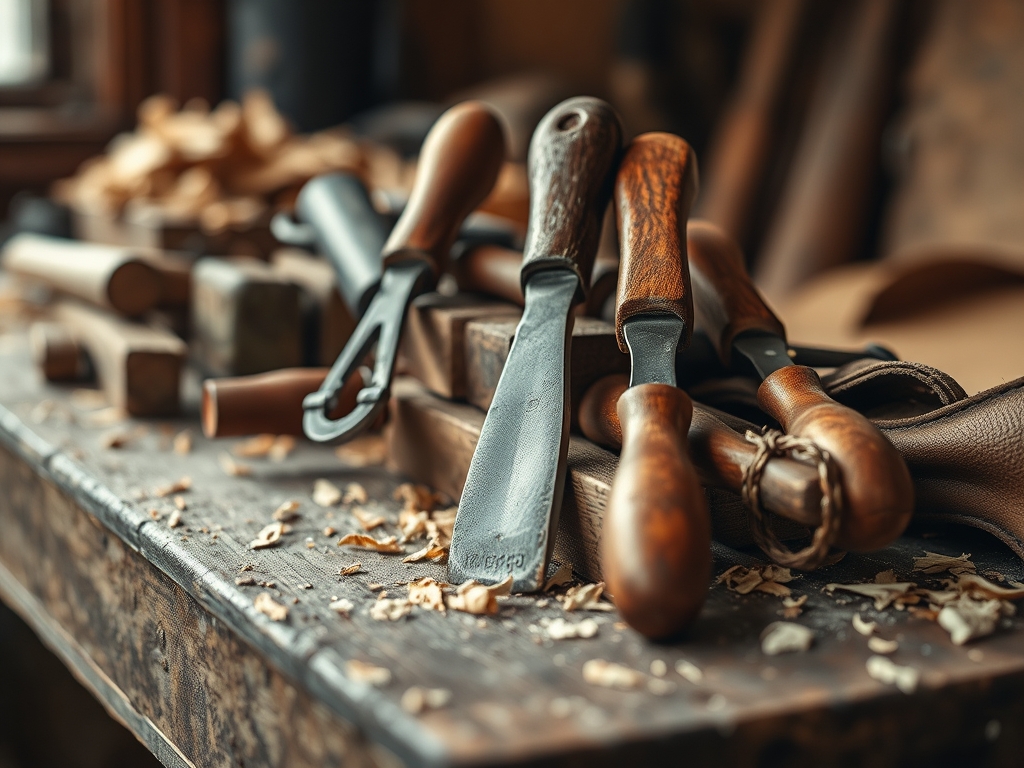
To handle these wild fibers without shredding their delicate epidermal layers, you need a kit that respects the physics of the plant. Start with a pair of high-carbon steel floral shears for clean, surgical snips that prevent crushing the vascular bundles. You will also need a digital caliper to measure the diameter of your stalks; consistency is the secret to a professional-grade warp. For the processing phase, grab a bone folder to burnish the fibers and a stainless steel awl for clearing tight gaps in your weave.
If you cannot find specific local reeds, consider Material Substitutions. You can swap wild rye for processed iris leaves or even use thin strips of recycled linen dipped in a light starch solution to mimic the porous nature of dried sedge. The goal is to match the ply and weight of your foraged finds so the finished piece maintains a uniform tension across the entire surface.
THE TEMPO
The "Maker's Rhythm" is governed entirely by the evaporation rate of the plant's internal moisture. You cannot rush the physics of desiccation. The initial harvest takes roughly two to three hours of active scouting. Once back in the studio, the "Sweating Phase" lasts forty-eight hours; this is where you allow the grasses to lose their initial turgor pressure in a shaded, ventilated area. The final curing takes seven to ten days depending on the ambient humidity. If you weave too early, the material will shrink on the loom, leaving gaps. If you wait too long, the fibers become hydrophobic and will require a deep soak to regain their elasticity.
THE CORE METHOD
1. The Selective Harvest
When Foraging For Wild Grasses, target the stalks just before they go to seed to ensure the highest fiber density. Use your shears to cut at a forty-five-degree angle, which maximizes the surface area for initial moisture release. Avoid any blades with fungal spotting, as these microscopic breaches compromise the structural integrity of the fiber.
Mastery Tip: Understand capillary action. By keeping the cut ends submerged in a shallow tray of water for the first hour post-harvest, you prevent the vascular tubes from collapsing instantly, which allows for a more even distribution of minerals as the plant begins its slow dry.
2. The Bundle and Hang
Group your grasses into small bundles, no thicker than two inches in diameter, using soft cotton twine. Suspend them upside down in a dark, drafty location. This orientation uses gravity to pull the remaining sap toward the tips, ensuring the base of the stalk, which is the strongest part, dries with a consistent tactile finish.
Mastery Tip: This stage is all about surface tension. By hanging the bundles, you ensure that air circulates 360 degrees around each blade, preventing the localized humidity pockets that cause mold. A consistent airflow prevents the cellular walls from shrinking too rapidly and becoming brittle.
3. The Hydration Strike
Before you hit the loom, you must "mellow" your dried grasses. Submerge your cured bundles in a lukewarm bath for twenty minutes, then wrap them in a damp heavy-duty towel for two hours. This process reintroduces just enough moisture to make the lignin pliable without making the fiber waterlogged.
Mastery Tip: This is a lesson in porosity. The water penetrates the outer cuticle and softens the internal cellulose. If you over-soak, you trigger osmotic shock, which can cause the fibers to swell and lose their natural sheen. The towel wrap ensures a slow, controlled hydration.
THE TECHNICAL LEDGER
Maintaining your foraged stash requires a climate-controlled environment. Keep your dried materials in breathable canvas bags; plastic is the enemy of organic fiber as it traps residual moisture and invites rot. For Material Variations, you can experiment with "Premium" additions like harvested willow bark or "Sustainable" options like shredded corn husks to add textural contrast to your grass weave.
The Correction:
- Brittle Breaking: If your grass snaps during the turn, your mellowing time was too short. Fix: Re-wrap in a damp towel for another hour.
- Mold Spots: This indicates poor airflow during the drying phase. Fix: Discard the affected area and use a small oscillating tool with a soft brush attachment to clean surrounding fibers.
- Loose Weave: This happens when you weave with material that is too wet. Fix: Use your awl to compress the rows tighter as they dry, or "shim" the gaps with thin accent fibers.
Studio Organization: Store your cured bundles horizontally on open wire shelving. This prevents the weight of the bundle from crushing the bottom fibers and maintains the ergonomic curve of the stalks for easier handling during the weaving process.
THE FINAL REVEAL
There is nothing quite like the moment you pull your finished piece off the loom. The foraged grasses have transformed from wild, unruly blades into a sophisticated, high-tensile fabric that smells like a summer meadow. The natural variations in color, from pale sage to deep ochre, create a visual depth that synthetic materials simply cannot replicate. When you run your hand over the surface, the burnished fibers feel smooth and intentional. You have successfully captured the raw energy of the outdoors and distilled it into a structured, architectural form. It is a masterclass in patience and physics, wrapped up in a stunning, tactile trophy.
STUDIO QUESTIONS
What is the best time of day to forage?
Harvest in the mid-morning after the dew has evaporated but before the midday heat stresses the plant. This ensures the turgor pressure is stabilized, making the fibers easier to manipulate without immediate wilting or cellular collapse.
How do I know if the grass is dry?
Perform a "snap test" on a sacrificial stalk. It should sound like a crisp crackle rather than a dull thud. Check the moisture content by feeling the center of the bundle; it should feel room temperature, not cool.
Can I use a hairdryer to speed up drying?
Avoid forced heat. Rapid desiccation causes the epidermal layer to shrink faster than the internal pith, leading to warping and permanent curling. Natural airflow is essential for maintaining the long-term tensile strength of your weaving materials.
Will the green color stay forever?
Chlorophyll is light-sensitive and will eventually fade to a golden tan. To slow this degradation, keep your finished pieces out of direct UV light. The structural integrity remains intact even as the pigment shifts over several months.
What if my grass is too thick?
Use a rotary cutter or a sharp craft knife to split the stalks lengthwise. This reduces the gauge while maintaining the strength of the outer rind, allowing for a more delicate and intricate weave pattern in your final design.