Imagine the smell of sun dried grass and the rough, earthy texture of raw bast fibers beneath your fingertips. There is something primal and deeply satisfying about taking a chaotic bundle of plant stalks and transforming them into a structured, functional tool. We are diving into the world of Natural Hemp Cordage Crafts today; it is a journey that bridges the gap between ancient survival skills and modern sustainable design. Hemp is the ultimate powerhouse in the textile world because its fibers are incredibly long and possess a high cellulose content. This chemical makeup gives the material a superior strength to weight ratio compared to cotton or jute. When you hold raw hemp, you can feel the potential energy stored in its stiff, unrefined state. It is not just about making a string; it is about understanding the physics of friction and the way individual filaments lock together under tension. We are going to master the art of the reverse twist, a technique that uses opposing forces to create a self locking structure that will not unravel.
THE STUDIO KIT
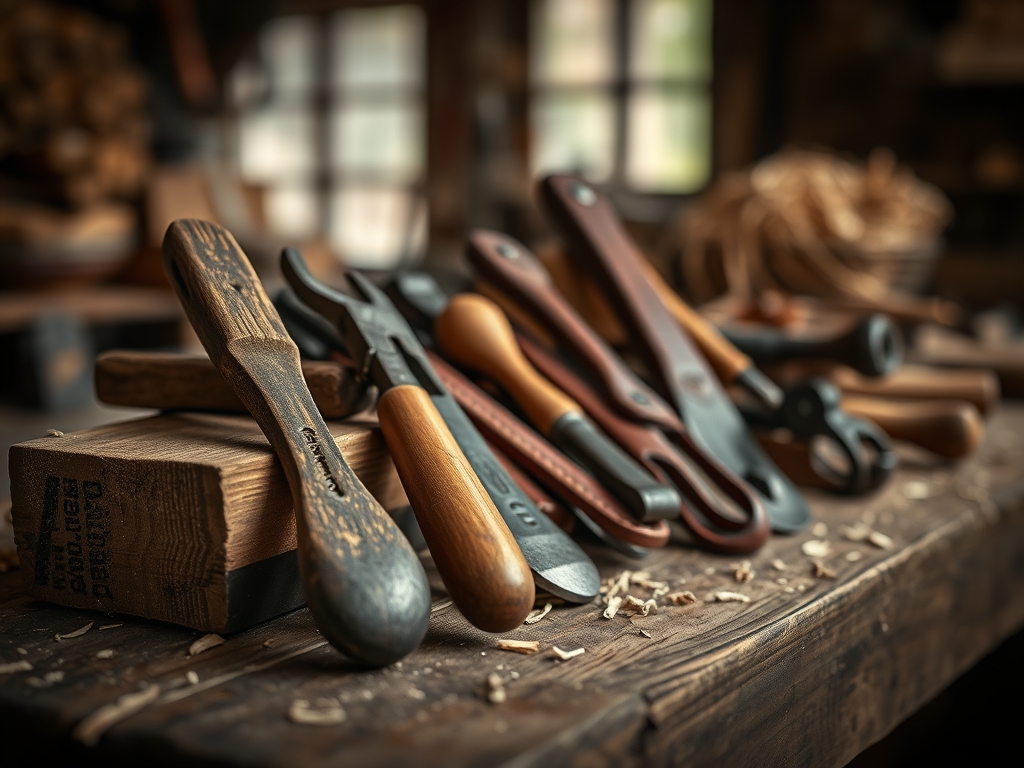
To begin, you need to curate your workstation with tools that respect the material physics of hemp. Your primary asset is a bundle of high quality hemp roving or degummed fiber strips. You will also need a pair of heavy duty tailor shears to handle the high density of the stalks. I recommend keeping a small spray bottle of distilled water nearby; moisture acts as a temporary plasticizer, making the fibers more pliable and preventing micro fractures during the twisting process. For precision, a set of digital calipers is helpful to ensure your cordage maintains a consistent gauge throughout its length.
Material Substitutions: If you cannot source premium hemp, you can substitute with flax or sisal. Flax offers a smoother finish due to its finer micron count, while sisal provides a rugged, high friction surface that is excellent for heavy duty utility tasks. Avoid using synthetic blends if you want to practice authentic burnishing techniques later on.
THE TEMPO
The Maker's Rhythm is a meditative state where your hands move in a synchronized cadence of "pinch, twist, and overlap." For a beginner, expect to spend about thirty minutes on the preparation phase. This involves stripping, cleaning, and sorting your fibers by length to ensure a smooth transition between plies. The actual twisting process for a standard six foot length of cordage typically takes about forty five to sixty minutes of focused manual labor. Do not rush the initial stages. The structural integrity of your rope depends entirely on the consistency of your tension. If you fluctuate in your pulling force, you will create weak points known as "necking," where the diameter thins out and the tensile strength drops significantly.
THE CORE METHOD
1. Preparing the Fiber Bundle
Start by selecting a handful of fibers and combing them through with a metal wool carder or a sturdy comb. This aligns the individual filaments in a parallel orientation, which is crucial for maximizing the surface area contact between fibers. In physics, this is known as increasing the coefficient of friction. By removing short, broken pieces, you ensure that every strand contributes to the overall load bearing capacity of the rope.
Mastery Tip: Always maintain a slight moisture level in your fibers. This utilizes capillary action to help the strands "grip" each other, allowing for a tighter, more compact twist that resists fraying.
2. The Initial Kink
Fold your fiber bundle off center so that one side is longer than the other. This prevents both ends from running out at the same time, allowing for seamless splicing later. Hold the fold between your thumb and forefinger and begin twisting the two halves in a clockwise direction. Once the tension builds up, the fibers will naturally want to kink and fold over themselves.
Mastery Tip: This is the "Potential Energy" phase. The twist stores mechanical energy in the fibers; the goal is to convert that energy into a stable structure by locking the two plies together in the opposite direction.
3. The Reverse Twist Technique
With a strand in each hand, twist the top strand away from your body (clockwise) and then bring it over the bottom strand toward your body (counter clockwise). Repeat this "twist away, pull over" motion. This creates a balanced torque where the internal twist of the individual plies is countered by the external wrap of the rope.
Mastery Tip: Observe the alignment in the step-by-step photos below. Consistent spacing between the wraps ensures that the load is distributed evenly across the entire cross section of the cord.
4. Splicing for Length
When you have about two inches of fiber remaining on one side, lay a new bundle of hemp alongside the thinning end. Continue the twisting motion as if they were a single unit. The friction between the old and new fibers will lock them together, a process facilitated by the microscopic scales on the surface of the hemp stalks.
Mastery Tip: Taper the ends of your new bundle before splicing. This prevents a sudden jump in the gauge and maintains the aerodynamic profile and aesthetic flow of the rope.
THE TECHNICAL LEDGER
Maintenance & Longevity: Natural hemp is susceptible to rot if stored while damp. To increase longevity, you can lightly coat your finished cordage in beeswax or linseed oil. This creates a hydrophobic barrier that prevents moisture from penetrating the porous core.
Material Variations: For a premium finish, look for "long line" hemp, which features fibers up to three feet in length. For a more sustainable approach, you can process recycled burlap sacks, though the shorter fiber length will require more frequent splicing and result in a lower tensile rating.
The Correction:
- Uneven Gauge: If your rope looks lumpy, your fiber bundles are not uniform. Use your calipers to check the thickness of your feed material before twisting.
- Unraveling: This happens when the internal twist is not strong enough to counter the external wrap. Increase the number of rotations in each ply before crossing them over.
- Fraying: If small "hairs" are sticking out, your fibers were too dry. Use a bone folder to burnish the surface of the finished rope, smoothing down the stray filaments.
Studio Organization: Store your hemp in a cool, dry place away from direct UV light. Prolonged sun exposure can cause photo degradation, breaking down the lignin in the fibers and making the rope brittle. Use an airtight bin with a few silica gel packets for long term storage.
THE FINAL REVEAL
Look at that! You have successfully transformed raw plant matter into a piece of high performance cordage. The finished product should feel firm, slightly elastic, and have a beautiful, rhythmic spiral pattern. When you tug on it, there should be a satisfying lack of "give," indicating that your twists are tight and your splices are secure. This is not just a craft project; it is a testament to your understanding of structural engineering and material science. Whether you use this for gardening, decorative macrame, or as a sturdy utility line, you have mastered a skill that is as sustainable as it is sophisticated.
STUDIO QUESTIONS
What is the strongest natural fiber for cordage?
Hemp is widely considered the strongest natural fiber due to its high tensile strength and resistance to stretching. Its long, durable filaments make it superior to cotton or jute for load bearing Natural Hemp Cordage Crafts.
How do I prevent my rope from rotting?
Ensure the fibers are completely dry before storage. You can also apply a light coating of natural wax or oil to seal the pores, which prevents moisture absorption and inhibits the growth of mold or mildew within the plies.
Why does my rope feel scratchy?
Raw hemp contains lignin, which adds stiffness. To soften the cordage, you can mechanically break the fibers by pulling the rope over a smooth wooden dowel or "breaking" it by hand, which softens the texture without compromising the structural integrity.
Can I wash handmade hemp rope?
Yes, but hand wash with mild soap and air dry completely. Avoid high heat or agitation in a washing machine, as this can cause the fibers to swell and loosen the tension of your twists, potentially weakening the rope.