Imagine standing in a thicket where the air smells like damp earth and overripe sugar; your fingers are already stained a deep, bruised purple before you even head home. Foraging For Berry Dyes is not just a weekend hobby; it is a high stakes chemistry experiment disguised as a nature walk. You are hunting for anthocyanins, the water soluble vacuolar pigments that give blackberries their moody, midnight hue. The tactile sensation of a heavy, juice filled berry popping against your palm is the first indicator of its dye potential. If the fruit is firm, the pectin levels are high but the pigment yield is low. You want the berries that are on the verge of structural collapse. These are the ones packed with the concentrated tannins and acids needed to bond with your fibers. We are moving beyond simple stains and entering the realm of molecular adhesion.
THE STUDIO KIT
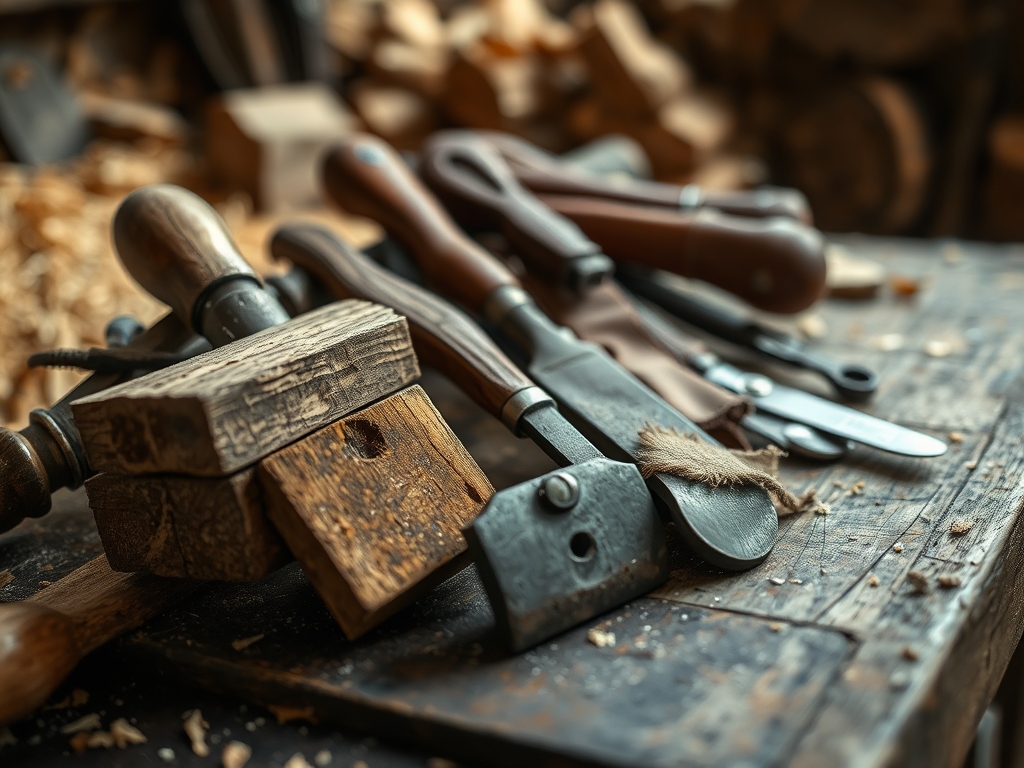
To transform a bucket of fruit into a permanent textile finish, your studio needs more than just a pot. You need tools that respect the porous nature of organic fibers. Start with a high precision digital scale to calculate your "weight of fiber" (WOF) ratio. This ensures your pigment to water balance remains consistent. You will also need a large stainless steel or enamel vat; avoid aluminum, as it acts as an unintentional mordant and will shift your colors toward a duller, muddy gray.
For the physical processing, grab a fine mesh chinois or a double layer of cheesecloth to strain out the seeds and pulp. If you leave organic matter in the dye bath, you risk uneven "hot spots" where the pigment concentrates too heavily. For measuring your fixatives, a set of graduated cylinders or a high accuracy gram scale is essential.
Material Substitutions: If you cannot find fresh wild blackberries, frozen organic berries work beautifully because the freezing process ruptures the cell walls, making the pigment more accessible. If you lack a professional mordant like Alum (Potassium Aluminum Sulfate), you can substitute a concentrated salt brine or a copper liquor made from soaking old pennies in vinegar, though this will significantly "sadden" the color into a deep forest green.
THE TEMPO
The "Maker's Rhythm" for berry dyeing is a slow, methodical dance. You cannot rush the molecular bonding of natural pigments. Expect to spend approximately two hours on the initial foraging and cleaning phase. The extraction process, where you simmer the berries to release the dye, takes another ninety minutes.
The real time investment lies in the "mordanting" and "curing" phases. Your fabric must simmer in a fixative for at least an hour to open the fiber cuticles. Once the fabric enters the dye bath, it requires a minimum of twelve to twenty four hours of cold soaking to achieve maximum saturation. This is the "Steep Phase," where the pigment migrates from the liquid suspension into the core of the fiber. Finally, allow forty eight hours for the dyed textile to air dry in a shaded, well ventilated area to prevent "light fastness" degradation before the first rinse.
THE CORE METHOD
1. Scouring the Substrate
Before the pigment can enter the fiber, you must remove all factory oils, waxes, and spinning lubricants. Wash your fabric in a high pH solution with soda ash. This increases the surface tension of the water, allowing it to penetrate the innermost layers of the weave.
Mastery Tip: This process is called scouring. If you skip this, your dye will sit on the surface like a film rather than bonding with the internal structure, leading to immediate fading.
2. The Mordant Application
Natural dyes lack a strong chemical affinity for cellulose or protein fibers on their own. You must apply a "bridge" or a mordant. Dissolve your Alum in warm water and submerge the wet fabric.
Mastery Tip: Use a bone folder or a smooth wooden paddle to agitate the fabric constantly. This ensures the metallic salts are distributed evenly across the tensile surface, preventing splotchy results.
3. Pigment Extraction
Crush your berries in the vat and add just enough water to cover them. Heat the mixture to 180 degrees Fahrenheit. Do not let it boil, as excessive heat can "cook" the anthocyanins and turn your vibrant purple into a dull brown.
Mastery Tip: Use a refractometer if you have one to check the sugar density; higher sugar content can actually hinder the dye's ability to penetrate tight weaves. Strain the liquid through a chinois until it is perfectly clear of solids.
4. The Immersion Bath
Submerge your pre-mordanted, damp fabric into the cooled dye liquor. Ensure there are no air bubbles trapped in the folds.
Mastery Tip: This is where capillary action takes over. The liquid travels through the microscopic gaps in the fiber. If the fabric is bone dry when it hits the dye, the air pockets will repel the pigment, creating "resist" marks. Always enter the bath with "wet-on-wet" fibers.
5. The Oxidation Cure
Remove the fabric and squeeze gently; do not wring, as this can snap the delicate fibers weakened by the heat. Hang the piece to dry before rinsing.
Mastery Tip: Oxygen acts as a secondary fixative. As the water evaporates, the pigment molecules shrink and become trapped within the fiber's structure, a process known as mechanical entrapment.
THE TECHNICAL LEDGER
Maintenance & Longevity: Berry dyes are "fugitive," meaning they are sensitive to UV light and pH changes. Always wash your finished pieces in pH neutral soap and store them in archival tissue paper away from direct sunlight.
Material Variations:
- Sustainable: Use windfall berries or those past their prime for consumption.
- Premium: Silk and wool (protein fibers) take blackberry dye much more vibrantly than cotton or linen (cellulose fibers) because they have more "receptor sites" for the pigment.
The Correction:
- Mistake: The color is too pale. Fix: Re-mordant the fabric and double the WOF (Weight of Fiber) in a second dye bath.
- Mistake: The dye is rubbing off (crocking). Fix: You didn't rinse enough; soak in a room temperature vinegar bath to reset the pH.
- Mistake: Brown spots appear. Fix: This is iron contamination. Use a plastic or glass stirring rod instead of metal tools next time.
Studio Organization: Store your dried dye extracts in amber glass jars. Anthocyanins are light sensitive; keeping them in the dark prevents the chemical bonds from breaking down before you are ready to use them.
THE FINAL REVEAL
The moment you pull that fabric from the final rinse is pure magic. What started as a handful of wild fruit has transformed into a sophisticated, dusty plum or a deep, regal violet. The color has a tactile depth that synthetic dyes simply cannot replicate; it feels alive because it is. You can see the slight variations in tone where the tannins reacted differently with the grain of the fabric. It is a masterpiece of organic chemistry and patience. You have successfully captured the essence of the summer harvest and locked it into a physical form.
STUDIO QUESTIONS
How do I make the blackberry dye permanent?
You must use a mordant like Alum or Tannin. These chemicals create a molecular bridge between the berry pigment and the fabric fiber, preventing the color from washing out during the cleaning cycle.
Why did my purple dye turn gray?
This is usually caused by "iron saddening." If your pot is cast iron or your water has high mineral content, the iron reacts with the berry tannins to shift the hue from purple to charcoal or slate.
Can I dye synthetic fabrics like polyester?
No, blackberries are natural dyes that require porous, organic fibers to bond. Synthetic fibers are essentially plastic and lack the "receptor sites" needed for the organic pigment molecules to attach effectively.
How many berries do I need per shirt?
A good rule of thumb is a 2-to-1 ratio by weight. If your shirt weighs 200 grams, you should use at least 400 grams of berries to achieve a saturated, professional grade color.
Does heat affect the final color?
Yes, excessive heat destroys anthocyanins. Keep your dye bath under 180 degrees Fahrenheit. Boiling the berries will result in a brownish-tan color rather than the desired vibrant purple or pink tones.