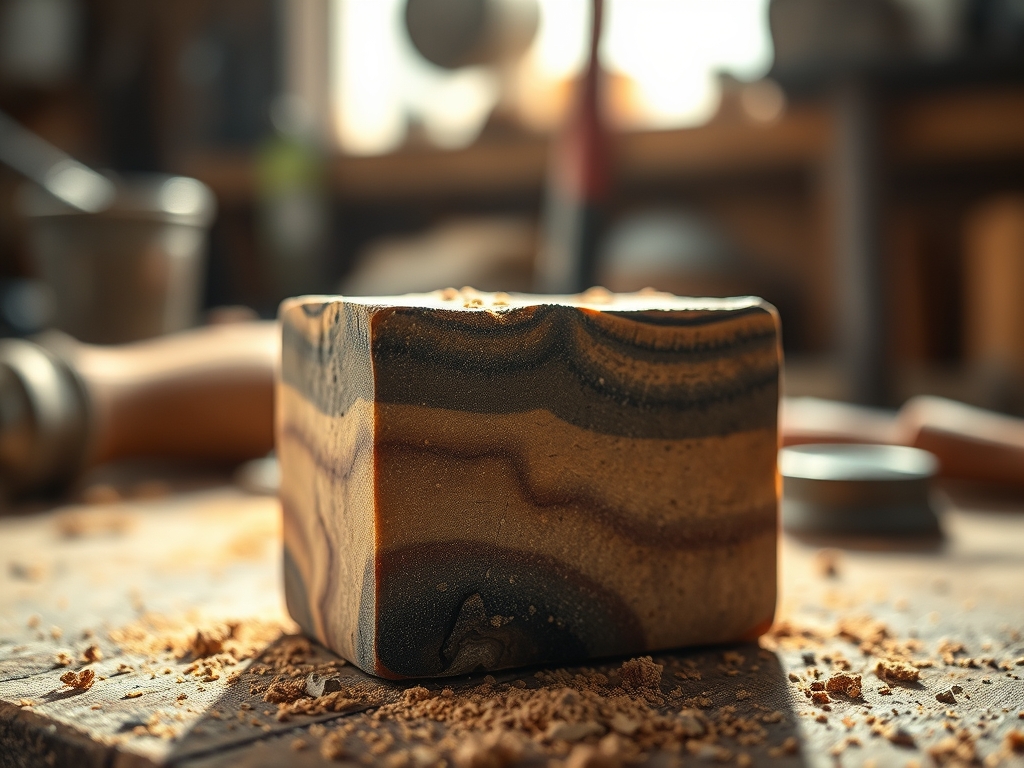
Run your palm across that raw, unfinished oak and you will feel the microscopic landscape of open pores waiting for a drink. It is a tactile rush that every maker understands. But before you reach for that pantry staple, you need my signature Natural Wood Soap Recipe to ensure the lipids actually bond with the cellulose fibers.
Raw wood is essentially a bundle of hollow straws held together by lignin. When these straws are dry, they become brittle and prone to checking; which is why we use oil to mimic the tree's natural resins. Olive oil is a non-drying triglyceride, meaning it does not polymerize like linseed or tung oil. This makes it a topical treatment rather than a permanent finish. We are going for a soft, satin hydration that highlights the grain without sealing it forever. If you just pour oil onto a dusty board, you are creating a sticky trap for microbes. We need a solution that lifts dirt while depositing fatty acids into the tracheids. Grab your apron and let us dive into the molecular mechanics of wood hydration.
THE STUDIO KIT
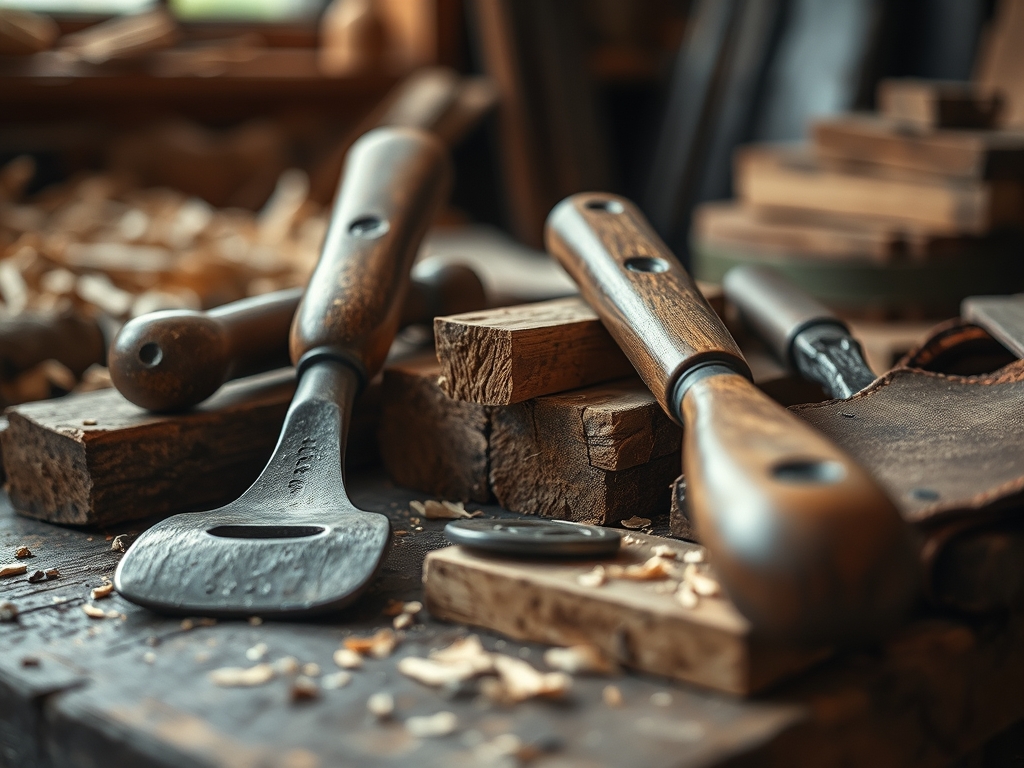
To execute this properly, we need more than just a bottle of Extra Virgin. We are managing surface tension and ensuring the solution penetrates the porous structure of the timber.
- The Base Oil: High-quality olive oil. It contains oleic acid, which provides a rich, emollient layer for the wood.
- The Surfactant: Liquid castile soap. This breaks the surface tension of the water, allowing the oil to emulsify rather than bead up.
- The Buffer: Distilled water. Tap water contains minerals that can react with the tannins in woods like oak or walnut, causing dark staining.
- The Applicator: Lint-free microfiber or a burnishing cloth. Avoid paper towels; their abrasive fibers can snag on the grain.
- The Measuring Tool: A set of precision graduated cylinders or a digital scale to maintain a consistent ratio.
Material Substitutions: If you are out of castile soap, a pH-neutral dish soap works in a pinch, though it lacks the organic fatty acid profile. For the oil, walnut oil is a fantastic alternative as it actually has semi-drying properties, providing a slightly more durable finish than olive oil.
THE TEMPO
The Maker's Rhythm is all about patience and observation. Do not rush the absorption phase; wood is a slow-moving medium.
- Preparation (10 Minutes): Measuring and emulsifying the solution. You want a stable suspension, not a separated mess.
- Application (15 Minutes): Working the soap into the grain using circular motions to ensure the liquid enters the pores from multiple angles.
- The Rest Phase (30 Minutes): This is the capillary action window. The wood "pulls" the moisture into its internal structure.
- The Buffing (10 Minutes): Removing excess lipids to prevent a tacky surface.
Total time is roughly one hour, but the wood will continue to "settle" for twenty-four hours as the moisture evaporates and the oils stabilize within the fibers.
THE CORE METHOD
1. The Emulsification Dance
Combine two parts olive oil with one part castile soap and one part distilled water. Shake vigorously until the mixture looks like a creamy latte. This creates a temporary emulsion where the soap molecules act as bridges between the water and the oil.
Mastery Tip: The science here is all about micelles. The soap surrounds the oil droplets, allowing them to stay suspended in the water. This ensures that when you wipe the wood, you are cleaning and conditioning simultaneously rather than just smearing grease.
2. Clearing the Surface
Before applying your Natural Wood Soap Recipe, use a soft brush or a vacuum with a brush attachment to remove loose particulates. If you leave dust on the surface, the oil will encapsulate it, creating a "muddy" finish that ruins the clarity of the grain.
Mastery Tip: Use a caliper to check for any warping before you start. Adding moisture to one side of a board can cause it to cup if the wood is thin. Always treat both sides of a raw board to maintain structural integrity.
3. Deep Grain Saturation
Apply the mixture using a lint-free cloth, following the direction of the grain. For stubborn spots, use a soft-bristled toothbrush to agitate the solution into the deeper grooves of the wood. You should see the color deepen instantly as the oil fills the air pockets in the cellular structure.
Mastery Tip: This process relies on capillary action. The smaller the pores in the wood (like in maple versus oak), the harder it is for the oil to penetrate. If you are working with a dense hardwood, you may need to warm the oil slightly to decrease its viscosity.
4. The Final Burnish
After letting the solution sit for thirty minutes, take a fresh, dry cloth and buff the surface vigorously. You are looking to remove any oil that hasn't been absorbed. If the surface feels "grabby," keep buffing.
Mastery Tip: Burnishing creates a microscopic amount of heat through friction. This heat thins the remaining oil, allowing it to spread into a thinner, more even film, which results in that professional, low-luster glow.
THE TECHNICAL LEDGER
Maintenance & Longevity
Olive oil is a food-grade finish, but it can go rancid over long periods if exposed to high heat and humidity. Re-apply this treatment every three to six months. If the wood begins to look "thirsty" or grey, it is time for another round.
Material Variations
- Sustainable: Use organic, cold-pressed oils and biodegradable soaps.
- Premium: Add a few drops of vitamin E oil to the mix; it acts as a natural antioxidant to prevent the olive oil from oxidizing too quickly.
- Recycled: This method is perfect for reclaimed barn wood that has been stripped of its original finish.
The Correction: Common Mistakes
- The Sticky Surface: You used too much soap or didn't buff enough. Fix: Wipe the area with a damp cloth (water only) to lift the excess soap, then re-buff.
- Dark Spotting: You used tap water on a high-tannin wood. Fix: Sand the spot lightly with 220-grit sandpaper and re-apply using distilled water.
- Rancid Smell: The oil has oxidized. Fix: Clean the surface with a dilute vinegar solution to strip the old oil, let dry, and re-apply with a fresh batch containing vitamin E.
Studio Organization
Store your homemade wood soap in a dark glass amber bottle. Light accelerates the oxidation of fats. Keep it in a cool, dry cabinet to ensure the shelf life lasts for the duration of your project season.
THE FINAL REVEAL
Look at that glow! Your raw wood is no longer just a piece of lumber; it is a hydrated, vibrant surface with a depth that only natural oils can provide. The grain pops with a three-dimensional quality, and the texture feels like sueded silk under your fingertips. By using a scientific approach to a simple kitchen ingredient, you have elevated a basic cleaning chore into a professional-grade finishing technique. It is smart, it is sustainable, and it looks absolutely stunning in the studio light.
STUDIO QUESTIONS
Can I use any olive oil for wood?
Yes, but Extra Virgin is preferred for its higher antioxidant content. Avoid flavored oils or blends with vegetable oils, as these can contain additives that prevent proper absorption into the wood's porous cellular structure.
Will olive oil make my wood table sticky?
Only if you fail to buff it properly. Stickiness is caused by excess oil sitting on the surface rather than penetrating the fibers. Always follow the burnishing step to remove unabsorbed lipids for a smooth finish.
Does this soap recipe kill bacteria?
Castile soap is a surfactant that lifts and removes bacteria, but it is not a registered disinfectant. For food-prep surfaces, ensure you dry the wood completely after cleaning to prevent microbial growth within the grain direction.
Is olive oil a permanent wood finish?
No, it is a non-drying oil. Unlike polyurethane or tung oil, it does not harden into a plastic-like film. It remains "active" within the wood and requires periodic re-application to maintain the wood's tensile flexibility.