Close your eyes and imagine the friction of raw, unbleached stalks sliding against your palms; it is a gritty, honest sensation that synthetic polyesters simply cannot replicate. When I am in the studio, my hands are constantly hunting for that perfect balance between rugged durability and breathable softness. This is why I have committed my entire practice to The Sustainable Fiber Choice. Hemp and organic cotton are not just trendy buzzwords; they are the literal backbone of high-performance textile engineering. Hemp provides a staggering tensile strength that prevents sagging over time, while organic cotton offers a porous cellular structure that absorbs dyes with incredible depth.
When you run a finger over a high-quality hemp blend, you are feeling the long-bast fibers that have been retted and spun into a yarn that actually gets stronger when wet. It is a biological marvel. Most people think of "sustainable" as a compromise, but in the world of high-end making, it is a massive upgrade. We are talking about materials that resist mold, block UV rays, and possess a natural luster that mimics silk after a few washes. This is the ultimate playground for a maker who cares about the physics of the drape as much as the ethics of the harvest.
THE STUDIO KIT
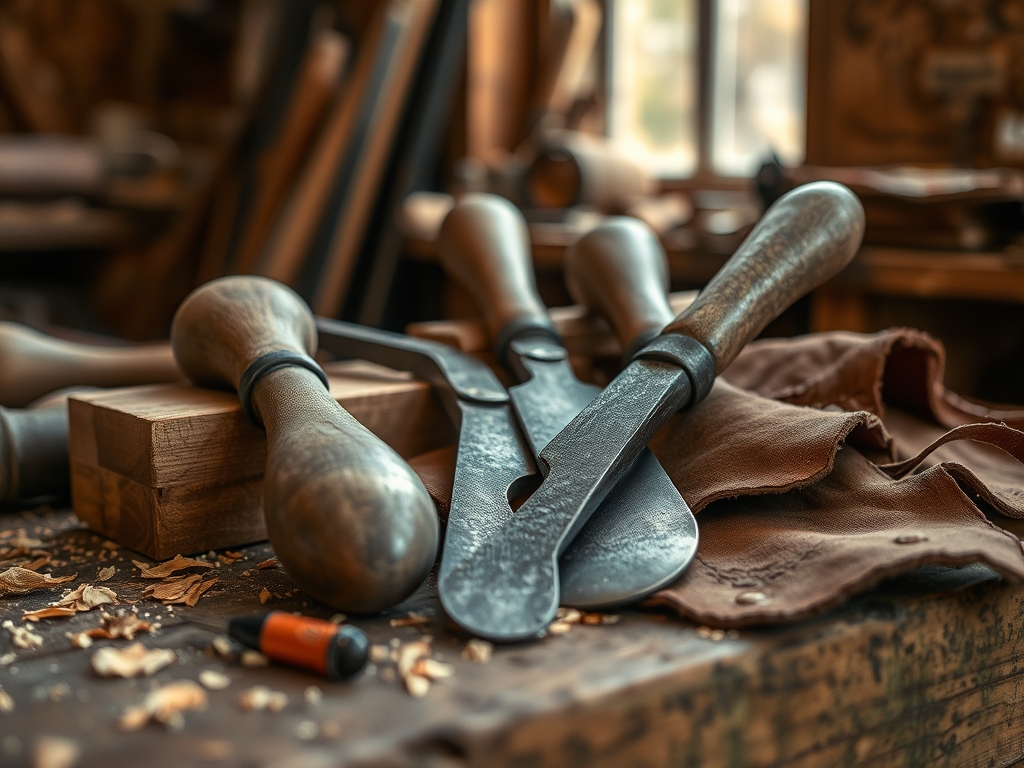
To master these fibers, your toolkit needs to be as sharp as your wit. You cannot treat hemp like a flimsy rayon; it requires tools that can handle its high-density weave. First, you need a heavy-duty rotary cutter with a tungsten carbide blade. Hemp fibers are notoriously abrasive and will dull a standard steel blade in minutes. Next, keep a bone folder nearby for crisping seams. Because organic cotton lacks the plastic memory of synthetics, you have to manually "train" the fibers to lay flat.
For precision measurements, I use digital calipers to check the gauge of my yarns. Consistency is everything when you are calculating the shrinkage rate of unmercerized cotton. You will also need a tailor's ham for pressing curved seams, ensuring the heat from your iron penetrates the dense fiber core without scorching the surface.
Material Substitutions: If you cannot source a 100% hemp canvas, look for a linen-hemp blend. Linen shares a similar bast fiber structure but offers a slightly lower tensile strength. For the organic cotton component, a high-quality pima cotton is a suitable alternative, provided it hasn't been treated with heavy chemical finishers that clog the natural pores of the fiber.
THE TEMPO
The "Maker's Rhythm" is a real neurological state, and working with natural fibers sets a very specific beat. You cannot rush the hydration of the fibers. I typically allocate forty-eight hours for the "resting phase" after pre-washing my bolts. This allows the organic cotton to reach its equilibrium moisture content, preventing the dreaded "warped seam" syndrome that happens when you sew bone-dry fabric that later expands in humid air.
The cutting phase takes about two hours of intense focus, as you must align your patterns perfectly with the grainline to avoid structural bias. The actual assembly is the fast part, usually taking six to eight hours for a complex garment. However, the finishing work; the hand-burnishing of edges and the final steam set; requires a slow, meditative three-hour window. It is a disciplined tempo that honors the slow-growth cycle of the plants themselves.
THE CORE METHOD
1. The Grainline Alignment
Before the first cut, you must identify the warp and weft with surgical precision. Use a magnifying loupe to ensure your pattern pieces are perfectly parallel to the selvage. Because hemp has very little "give," even a two-degree deviation from the grain will cause the finished piece to twist uncomfortably around the body.
Mastery Tip: Use the "thread pull" method. Snip the edge of the fabric and pull a single horizontal thread across the entire width. This creates a visible gap in the weave, providing a mathematically perfect line that accounts for any distortion during the loom tensioning process.
2. Tension Calibration
When moving to the sewing machine, you must adjust your presser foot tension. Organic cotton is compressible, but hemp is rigid. If your tension is too high, you will get puckering; if it is too low, the heavy hemp fibers will "drift," causing uneven stitches.
Mastery Tip: This is about coefficient of friction. Hemp is "toothy," meaning it grabs the feed dogs more aggressively than slick synthetics. Reduce your pressure by ten percent to allow the fabric to glide without being crushed by the foot.
3. The Structural Steam Press
Forget light misting. To truly shape these fibers, you need high-pressure steam. Use a professional-grade gravity feed iron to collapse the air pockets between the fibers. This "locks" the stitch into the weave, creating a seam that is functionally integrated into the fabric rather than just sitting on top of it.
Mastery Tip: This utilizes hygrothermal set. By applying heat and moisture simultaneously, you are temporarily breaking the hydrogen bonds in the cellulose. As the fabric cools under the weight of a wooden clapper, those bonds reform in the new, flat position.
THE TECHNICAL LEDGER
Maintenance & Longevity: Hemp is naturally antimicrobial, meaning it requires less frequent washing than synthetic blends. When you do wash it, avoid chlorine bleaches which cause oxidative degradation of the cellulose chains. Always air dry away from direct sunlight to prevent UV-induced brittleness.
Material Variations:
- Sustainable: Raw, rain-fed hemp with zero irrigation.
- Recycled: Post-industrial cotton scraps mechanically shredded and re-spun.
- Premium: Long-staple organic Egyptian cotton, known for its superior micronaire value (fiber fineness).
The Correction:
- Bird-nesting: Usually caused by the thick hemp fiber catching in the bobbin case. Fix: Use a "topstitch" needle with a larger eye to reduce friction.
- Seam Grin: When the stitches show on the right side. Fix: Increase your thread weight to a 30-weight polyester-wrapped core for better "bite."
- Fraying: Hemp sheds. Fix: Use a flat-felled seam or a serged edge to encase the raw fibers immediately after cutting.
Studio Organization: Store your hemp and cotton bolts horizontally on acid-free cardboard rolls. Never fold them for long-term storage; the weight of the dense hemp can cause permanent "fiber bruising" at the crease lines, which weakens the material over time.
THE FINAL REVEAL
There is nothing quite like the moment you lift a finished hemp and organic cotton piece off the dress form. It has a weight and a "thrum" to it that feels alive. The drape is architectural yet fluid; it doesn't just hang; it holds a shape that honors the human silhouette. As you wear it, the organic cotton will soften against your skin, while the hemp will maintain the structural integrity of the collars and cuffs. It is a garment designed for a lifetime, not a season. You have successfully synthesized botany and engineering into something beautiful.
STUDIO QUESTIONS
Why is hemp better than polyester for durability?
Hemp has a much higher tensile strength and does not suffer from synthetic fatigue. Unlike polyester, which sheds microplastics and thins out, hemp fibers actually soften and become more resilient with every wash cycle.
Does organic cotton shrink more than conventional cotton?
Yes, because it lacks the chemical "easy-care" resins that lock fibers in place. However, this allows for better breathability and a more natural fit once you account for the initial five percent shrinkage during pre-washing.
Can I use a regular sewing machine for heavy hemp?
Most domestic machines can handle hemp if you use a denim or sharp needle (size 90/14 or 100/16). The key is slowing down the motor to prevent needle deflection when hitting dense cross-seams.
Is hemp fabric itchy against the skin?
Pure raw hemp can be tactile, but when blended with organic cotton, it creates a soft, hypoallergenic surface. The cotton provides the initial comfort, while the hemp provides the moisture-wicking properties that keep you cool.
How do I stop the edges from fraying while I work?
Use a rotary cutter for clean edges and consider a light application of fray-check or a quick zigzag stitch around the perimeter of your pattern pieces immediately after cutting to stabilize the loose bast fibers.