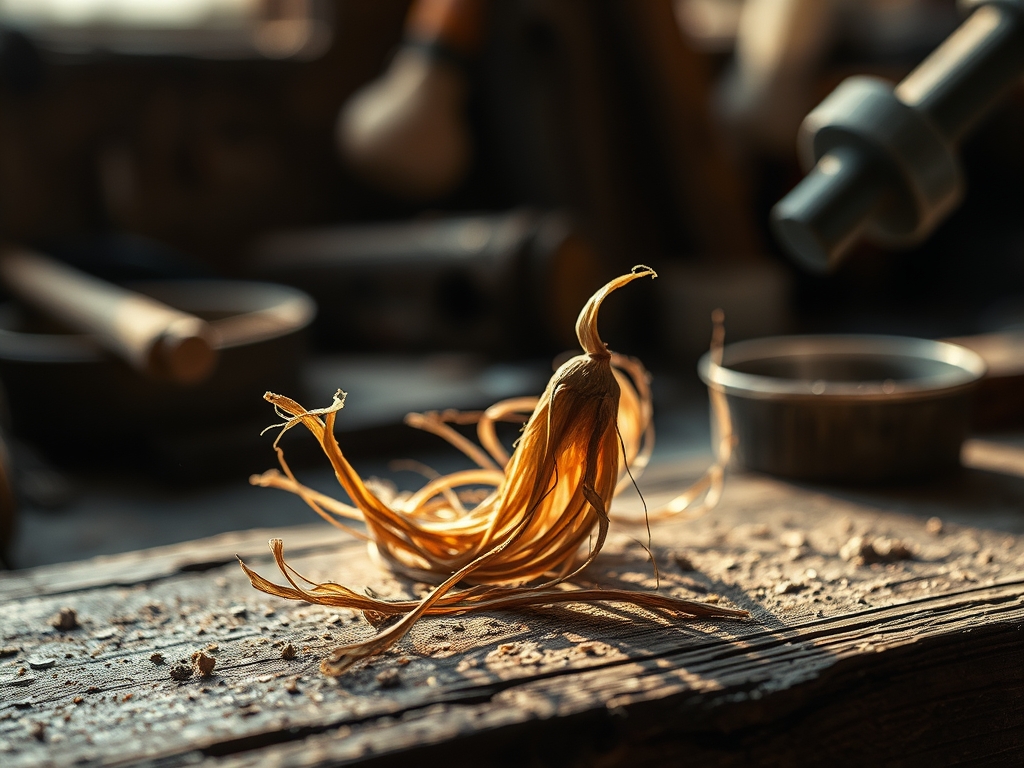
Imagine the dry, papery rustle of a thousand tiny wings as you plunge your hands into a bowl of copper-hued debris. It feels fragile, almost like ancient parchment, but these papery layers hold a secret chemical potential that most people simply toss into the compost bin. We are diving deep into the science of Natural Dyeing With Onion Skins to extract a spectrum of rich, buttery golds and deep ambers that look like they were stolen from a high-end boutique. This process is not just about color; it is a masterclass in molecular bonding and cellular saturation. When you touch the raw silk or the heavy cotton canvas, you are feeling the porous surface area waiting to be colonized by tannins. The air in the studio thickens with a savory, earthy aroma as the heat begins to break down the cellular walls of the skins. This is where high-energy crafting meets the precision of a laboratory. We are not just boiling trash; we are manipulating the lightfastness of organic pigments to create a permanent, wearable piece of art that defies the temporary nature of its origin.
THE STUDIO KIT
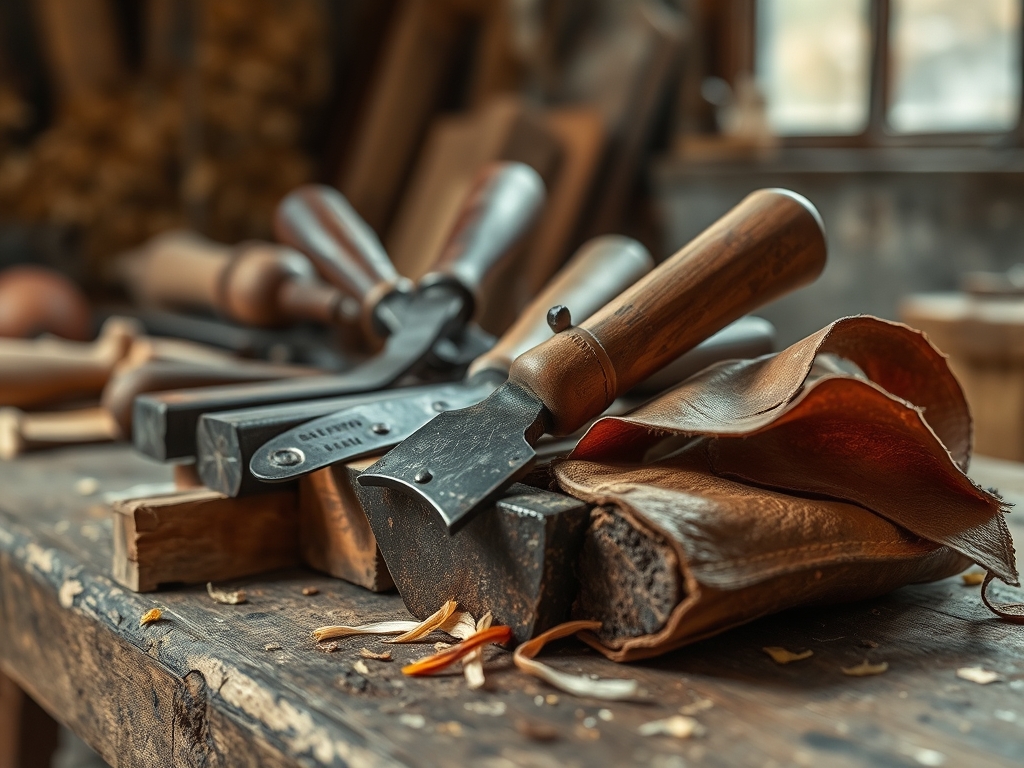
To achieve professional results, your workbench needs more than just a pot. You will need a stainless steel stockpot with a high thermal mass to ensure even heat distribution. Avoid aluminum or copper pots unless you want the metal ions to shift your color profile toward green or muddy brown. Grab a pair of digital calipers to measure the thickness of your fabric; this helps you calculate the Weight of Fiber (WOF), which is the golden ratio for dye concentration. You will also need a fine-mesh stainless steel strainer and a thermometer to monitor the extraction temperature.
For the textiles, stick to protein fibers like wool or silk for the most vibrant results, or cellulose fibers like linen and cotton if you want a more rustic, matte finish. If you do not have onion skins, your Material Substitutions include pomegranate rinds for a deeper yellow or avocado pits for a surprising dusty rose. Always have a bone folder nearby to press out air bubbles if you are doing fold-resist patterns. The tensile strength of your fabric will change once wet, so handle it with care to avoid distorting the grain.
THE TEMPO
The "Maker's Rhythm" for this project is a slow, steady pulse that rewards patience over speed. You cannot rush a molecular bond. The Extraction Phase takes about 60 to 90 minutes of active simmering to pull the maximum pigment density from the skins. Following this, the Mordanting Phase requires 1 hour of heat and a 24-hour soak for the metallic salts to properly anchor to the fiber's molecular structure.
The Dyeing Phase itself is a 1-hour simmer, but the real magic happens during the Cooling Phase. Letting your fabric sit in the dye bath overnight allows the temperature to drop slowly, which helps the fibers contract around the pigment molecules. Total project time spans roughly two days, but the active labor is minimal. It is a beautiful cycle of heat and rest that respects the thermal properties of the water and the fiber.
THE CORE METHOD
1. Scouring the Substrate
Before the first drop of color hits the pot, you must remove all industrial oils, waxes, and pectins from your fabric. Use a neutral detergent and simmer the fabric for 30 minutes.
Mastery Tip: This process increases the capillary action of the fibers. By removing surface contaminants, you lower the surface tension, allowing the dye bath to penetrate the core of the yarn rather than just coating the exterior.
2. The Mordant Bridge
Dissolve Alum (Potassium Aluminum Sulfate) in warm water at 15 percent of the fabric's weight. Submerge your wet fabric and simmer gently.
Mastery Tip: Alum acts as a chemical bridge between the fiber and the dye. It creates a coordinate covalent bond, effectively locking the pigment into the material's crystalline regions, which significantly improves washfastness.
3. Pigment Extraction
Pack your onion skins into the pot and cover with water. Bring the temperature to 180 degrees Fahrenheit. Do not let it boil vigorously, as high heat can dull the vibrancy of the yellows.
Mastery Tip: The heat triggers thermal agitation, breaking the hydrogen bonds within the plant cells. This releases the quercetin, a flavonoid that provides the brilliant gold hue.
4. The Immersion Bath
Strain the skins out and submerge your mordanted fabric into the liquid. Ensure the fabric can move freely to avoid "hot spots" or uneven patches.
Mastery Tip: Maintaining a consistent liquor ratio (the weight of water relative to the weight of fabric) ensures even saturation. If the pot is too crowded, the pigment cannot circulate, leading to streaks in the grain direction.
5. The Final Rinse and Cure
Rinse the fabric in lukewarm water until the water runs clear. Hang it to dry out of direct sunlight.
Mastery Tip: Drying in the shade prevents photo-degradation. UV rays can snap the newly formed chemical bonds before they have fully cured, leading to premature fading of your beautiful golds.
THE TECHNICAL LEDGER
Maintenance & Longevity: To keep these golds brilliant, always wash with a pH-neutral soap. High-alkaline detergents will shift the gold toward a dull orange because the pigments are pH-sensitive.
Material Variations:
- Sustainable: Use recycled linen bedsheets for a soft, lived-in feel.
- Premium: Use 19mm mulberry silk for a high-gloss, metallic gold finish.
- Experimental: Use an oscillating tool with a soft brush attachment to lightly distress the surface after dyeing for a vintage look.
The Correction:
- Splotchy Color: This is usually caused by trapped air. Fix it by re-wetting the fabric thoroughly before dyeing and stirring more frequently.
- Dull Hues: This happens if the water is too hard. Add a pinch of citric acid to balance the pH.
- Fading: If the color washes out, your mordant failed. Re-mordant the fabric and dye it again; the second layer often takes better than the first.
Studio Organization: Store your dried onion skins in airtight glass jars in a cool, dark place. Once dyed, store your textiles rolled rather than folded to prevent permanent creasing along the fiber lines.
THE FINAL REVEAL
There is nothing quite like the moment you pull your fabric from the pot and see that glowing, molten gold. It feels like a transformation of the mundane into the magnificent. The fabric now has a tactile richness that synthetic dyes simply cannot replicate. The color has a "soul" to it, shifting slightly in different lighting conditions due to the complex mix of organic compounds. When you drape your finished piece over your arm, you can feel the drape and hand of a professionally finished textile. You have successfully turned kitchen waste into a high-end pigment, proving that with a little physics and a lot of heart, you can create luxury from the scraps of everyday life.
STUDIO QUESTIONS
Does the type of onion affect the color?
Yes, yellow onion skins produce vibrant golds and ambers. Red onion skins contain anthocyanins, which yield muted forest greens or deep plums depending on the pH of your water and the mordant concentration used during the process.
Can I skip the mordanting step?
While onion skins are high in tannins and will stain fabric without a mordant, the color will not be lightfast. Without alum, the pigment sits on the surface and will wash away after a few cycles in the laundry.
How do I get an even color?
Ensure your fabric is thoroughly "wetted out" before entering the dye bath. Use a large enough vessel so the material can swim freely. This prevents resist spots where the fabric folds against itself and blocks pigment absorption.
Is the dye bath reusable?
Absolutely. You can perform an exhaust bath by adding more fabric to the remaining liquid. The second and third rounds will produce lighter, softer shades of primrose and pale yellow as the pigment density decreases.
Will the fabric smell like onions?
After the final rinse with a pH-neutral soap and a full drying cycle, the savory scent dissipates completely. The resulting textile is odorless, leaving only the visual brilliance of the natural gold pigments behind.