Imagine running your fingers over a skein of raw, unbleached wool; the fibers are thirsty and slightly coarse, possessing a high porosity that is just begging for a permanent molecular bond with organic pigment. There is a specific kind of magic in knowing that the vibrant ochre or deep indigo you are about to apply did not come from a synthetic lab, but from the very soil beneath your boots. Foraging For Wildflower Seeds is the first step in this long-form alchemy, transforming a patch of dirt into a living pigment factory. You are not just gardening; you are cultivating a high-yield chemical supply chain. The tactile satisfaction of cracking open a dried seed pod reveals the potential energy stored within, ready to be deployed into a landscape that serves your studio needs. We are looking for species with high tannin content and lightfast properties. When you master the timing of the harvest, you ensure that the tensile strength of your fibers remains uncompromised by harsh metallic mordants, relying instead on the natural affinity between plant phenols and protein fibers.
THE STUDIO KIT
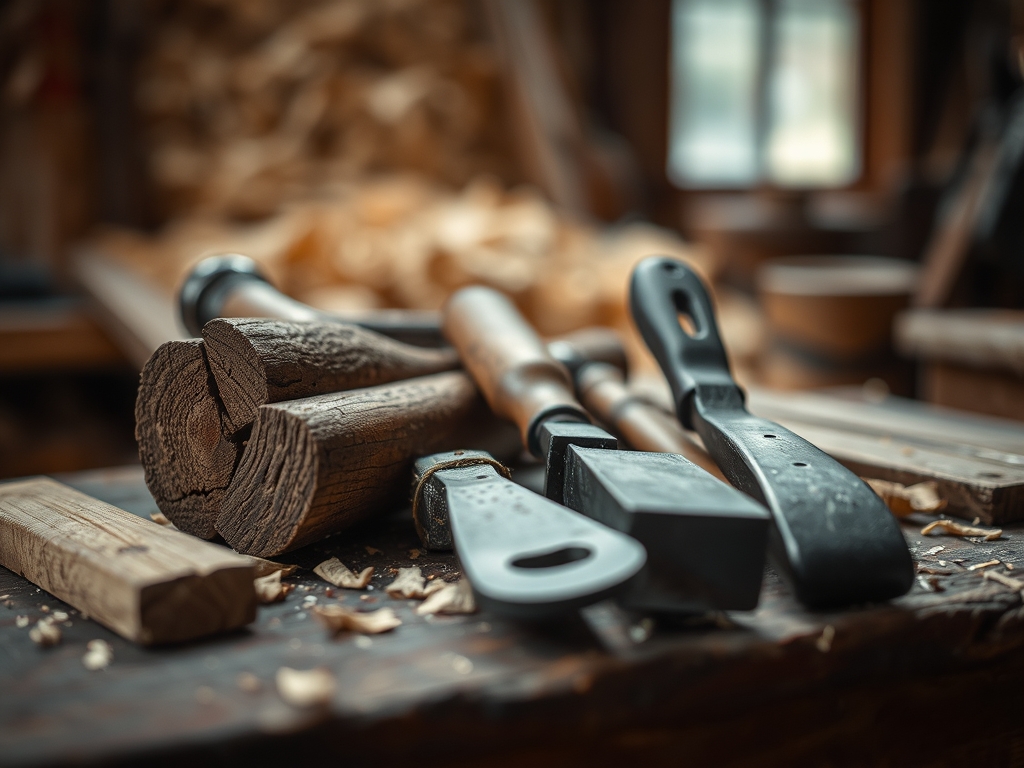
To transition from a simple gatherer to a technical dyer, your kit must reflect a precision mindset. You will need a pair of ergonomic micro-tip snips for delicate seed head removal without disturbing the root structure. A stainless steel mesh sieve with a specific micron gauge is essential for separating chaff from viable seeds. For documentation, keep a caliper handy to measure the diameter of seed pods; this helps in determining the peak maturity and moisture content of your harvest. You will also require breathable muslin bags to prevent fungal degradation during the drying phase.
Material Substitutions: If you cannot find specialized muslin, repurposed silk organza works beautifully due to its high airflow-to-surface-area ratio. Instead of a professional sieve, a fine-mesh kitchen strainer can suffice, provided the grid density is tight enough to retain the smallest seeds like those from the Coreopsis family. If micro-tip snips are unavailable, a sharp rotary cutter used against a self-healing mat can provide the clean, perpendicular shear necessary to avoid crushing the vascular tissue of the plant stems.
THE TEMPO
The "Maker's Rhythm" in a dye garden is dictated by the photoperiodism of your chosen species. The initial phase, the Hunt, takes approximately three to five hours of active field observation. Once the seeds are gathered, the Desiccation Phase requires seven to fourteen days of controlled airflow to reduce internal moisture to below ten percent. The Planting Phase is a quick, high-energy burst of two hours, but the true wait is the Growth Cycle, which spans ninety to one hundred twenty days. You must sync your studio output with these biological clocks. If you miss the harvest window, the seeds may disperse via wind or avian intervention, effectively resetting your production timeline. Consistency in this rhythm ensures a steady pigment yield year after year.
THE CORE METHOD
1. Identifying the Pigment Potential
Before you clip a single stem, you must evaluate the chemical profile of the wildflower. Focus on species like Solidago (Goldenrod) or Centaurea cyanus (Bachelor's Button). Use your jeweler's loupe to inspect the seed head for signs of maturity, such as color shifts from green to a deep, necrotic brown.
Mastery Tip: Understand capillary action within the plant; as the season ends, the plant pulls moisture toward the roots, leaving the seed heads dry. Harvesting at the peak of this dehydration ensures the seeds are in a dormant state, preventing premature germination and rot.
2. The Precision Extraction
Hold the seed head over your collection vessel and use your snips to cut at a forty-five-degree angle. This angle minimizes the surface area of the wound on the parent plant, reducing the risk of pathogen entry. Place the collected heads in a single layer to avoid crushing.
Mastery Tip: Observe the structural integrity of the seed coat. A hard, lignified exterior indicates a seed that is ready for long-term storage. If the coat is soft or malleable, the embryo is still developing and will likely fail to thrive in your garden.
3. Sifting and Grading
Once the pods are fully dry, use a bone folder or a smooth wooden dowel to gently break the pods against the sieve. The friction should be firm but controlled to avoid damaging the internal germ. The heavier, viable seeds will fall through or remain behind based on your sieve size, separating them from the lighter, non-pigmented chaff.
Mastery Tip: This process relies on specific gravity. Heavy seeds contain the nutrient density required for a vigorous start. By grading your seeds by weight, you ensure your dye garden has a uniform growth rate, which leads to a more predictable harvest of flower heads for the dye vat.
4. Strategic Sowing and Stratification
Many wildflower seeds require a period of "cold stratification" to break dormancy. Place your graded seeds in a medium of damp vermiculite and refrigerate. When planting, ensure the soil compaction is minimal to allow the delicate radicle to penetrate the earth without using excessive energy.
Mastery Tip: Soil thermal conductivity plays a huge role here. Darker soils absorb more solar radiation, warming the seeds faster and accelerating the metabolic processes required for sprouting. Use this to your advantage to get an early start on your pigment crop.
THE TECHNICAL LEDGER
Maintenance & Longevity: To keep your dye garden productive, you must manage the nitrogen-to-phosphorus ratio in the soil. High nitrogen will give you lush green leaves but fewer flowers; for dyes, we want high phosphorus to encourage prolific blooming. Deadhead the flowers regularly to trigger the plant's reproductive drive, forcing it to produce even more pigment-rich petals.
Material Variations:
- Sustainable: Use recycled cardboard as a weed barrier to maintain soil moisture without plastic leaching.
- Premium: Incorporate mycorrhizal fungi inoculants into your soil to increase the surface area of the root systems, leading to more robust plants.
- Recycled: Use old glass spice jars for seed storage, ensuring they are airtight to prevent oxidation.
The Correction:
- The Mistake: Seeds molding in storage. The Fix: Increase the desiccant ratio by adding silica gel packets to your storage jars to pull residual moisture from the air.
- The Mistake: Leggy, weak seedlings. The Fix: Increase light intensity or move the light source closer to the soil to prevent the plants from over-extending their cellulose structures.
- The Mistake: Dull dye colors. The Fix: Check the pH level of your garden soil. Some plants, like Hydrangeas, change pigment concentration based on soil acidity; use elemental sulfur to lower pH or lime to raise it.
Studio Organization: Store your seeds in a cool, dark, and dry environment. Use a labeling system that includes the harvest date, the botanical name, and the expected dye color. This prevents the degradation of the genetic material and ensures you are planting the most potent "ink" for your future projects.
THE FINAL REVEAL
There is nothing quite like the moment you step into a garden that you built from the ground up, literally. Seeing a sea of sulfur-yellow and deep terracotta flowers swaying in the breeze, knowing they are the source of your next textile collection, is an incredible rush. The tactile reality of the plants, the scent of the earth, and the knowledge that you have mastered the physics of growth creates a profound connection to your craft. Your studio is no longer just a room; it is an ecosystem. When you finally dip your fabric into that first vat of home-grown color, the vibrancy and saturation will be a testament to your technical precision and patience.
STUDIO QUESTIONS
How do I know if the seeds are dry enough?
Perform a snap test on a sample seed. If it shatters or snaps cleanly under the pressure of a bone folder, the moisture content is sufficiently low. If it squishes or bends, it requires more time in the desiccation chamber.
Can I use any wildflower for dye?
Not all flowers possess lightfast pigments. Research the species to ensure they contain high levels of flavonoids or tannins. Foraging For Wildflower Seeds should focus on known "dye plants" to ensure your hard work doesn't fade after one wash.
What is the best way to store seeds long-term?
Use airtight glass containers stored in a dark environment at a constant temperature. Fluctuations in heat can cause the latent energy in the seed to dissipate, leading to a lower germination rate when you finally plant your garden.
Why is my dye garden not blooming?
Check your macronutrient balance. Excessive nitrogen promotes vegetative growth over reproductive growth. Switch to a phosphorus-heavy organic fertilizer to signal the plant to begin the flowering phase, which is where the concentrated pigments are located.