Imagine running your hand over a vintage sweater and feeling that heartbreaking, brittle crunch of dehydrated fibers. It is a tragedy in the making. We pour hundreds of hours into our stitches, yet we often forget that wool is a biological structure, not just a textile. To keep your favorite pieces from turning into felted armor, you need to master Natural Lanolin Wool Care to restore the organic lipid barrier. Lanolin is the waxy substance secreted by domestic sheep; it acts as a structural sealant that prevents moisture from penetrating the inner cortex of the fiber while maintaining its tensile strength. When we wash our knits with harsh detergents, we strip away this protective coating, leaving the scales of the wool fiber jagged and prone to interlocking. By reintroducing these oils, we are not just washing; we are performing a molecular restoration. It feels like magic, but it is actually high-level protein chemistry. We are going to transform that scratchy, dry garment into a cloud of supple, water-resistant luxury that breathes with your body.
THE STUDIO KIT
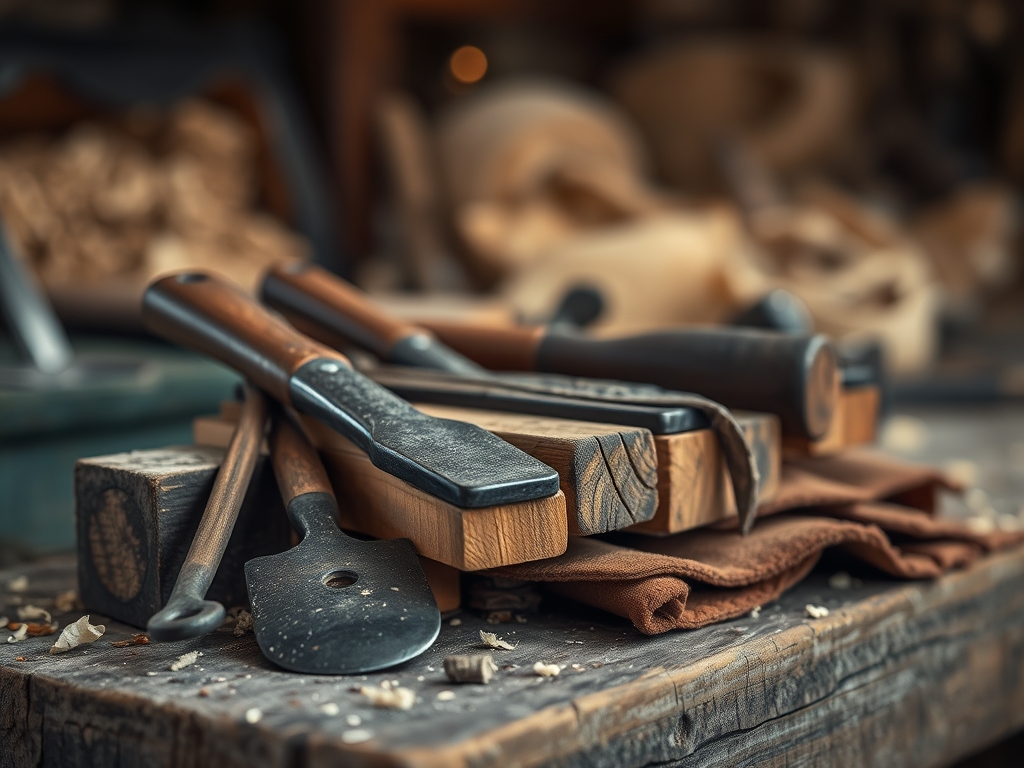
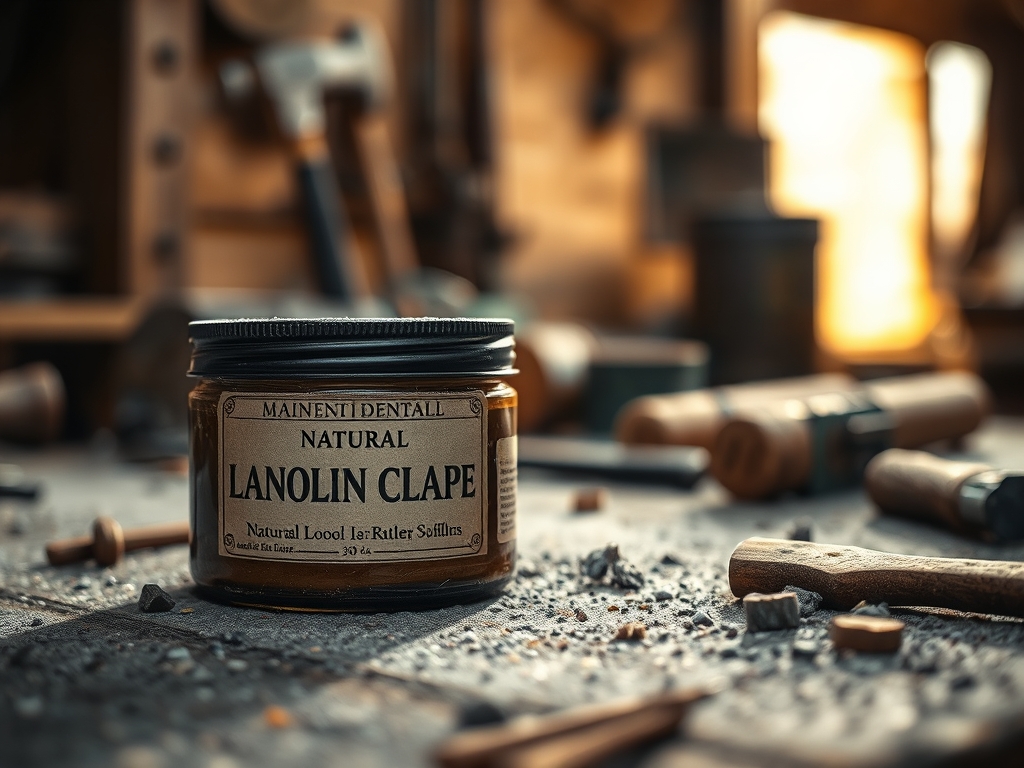
To execute this restoration, your studio needs specific tools that respect the porous nature of animal fibers. You will need a high-purity, anhydrous lanolin paste. This is the raw stuff; it is thick, amber-colored, and incredibly dense. You also need a digital thermometer to monitor water temperature, as excessive heat will cause the wool scales to expand and lock, leading to irreversible shrinkage. A calibrated pipette or a small laboratory beaker is essential for measuring your emulsifier. For the mechanical aspect, grab a large basin and a set of heavy, lint-free microfiber towels.
If you cannot find pure lanolin, a Material Substitution would be a high-grade wool wash that lists lanolin as the primary active ingredient, though the results are less customizable. For the emulsifier, a gentle, pH-neutral baby shampoo works perfectly to break the surface tension of the oil. You might also want a bone folder or a smooth wooden spatula to gently agitate the solution without introducing friction to the delicate ply of the yarn. Professional makers often use a jeweler's saw to shave down solid lanolin blocks for faster melting, but a simple grater works in a pinch.
THE TEMPO
The "Maker's Rhythm" for wool restoration is slow and deliberate. You cannot rush the capillary action required for the fibers to drink up the oils. Expect to spend about fifteen minutes on the initial emulsification and preparation. The immersion phase requires a minimum of thirty minutes but can extend to two hours for heavy-gauge outerwear. The drying phase is the longest movement in this symphony; depending on the fiber density and ambient humidity, a thick sweater may take forty-eight hours to reach equilibrium. Do not use a mechanical dryer. The heat and kinetic energy will destroy the structural integrity of the stitch. This is a weekend project that rewards patience with a garment that feels fundamentally different against the skin.
THE CORE METHOD
1. The Emulsification Phase
You cannot simply drop a glob of oil into a bucket of water. Because oil and water are immiscible, you must create an emulsion. Take a teaspoon of anhydrous lanolin and place it in a heat-proof jar with a small amount of boiling water and a drop of pH-neutral soap. Shake vigorously until the liquid turns a milky, opaque white.
Mastery Tip: This process relies on micelle formation. The soap molecules act as a bridge between the hydrophobic lanolin and the hydrophilic water, allowing the oil to be suspended evenly so it can coat every individual fiber rather than leaving greasy spots on the garment.
2. The Temperature Calibration
Fill your main basin with lukewarm water, approximately 30 degrees Celsius. Use your digital thermometer to ensure accuracy. Pour your milky lanolin emulsion into the basin and stir gently with your wooden spatula. The water should feel slightly slippery but not oily.
Mastery Tip: Wool fibers are covered in microscopic scales called cuticles. If the water is too hot, these scales lift; if you then move the garment to cold water, they snap shut, often trapping other fibers in their grip. Maintaining a consistent, lukewarm temperature prevents this "thermal shock" and keeps the gauge of your knitting stable.
3. Submerging and Soaking
Turn your garment inside out and submerge it slowly. Do not pour water directly onto the wool, as the weight of the stream can stretch the tensile bonds of the yarn. Gently squeeze the soapy water through the fibers. Do not scrub or wring. Let it sit undisturbed so the lanolin can migrate into the dry cortex of the wool.
Mastery Tip: This is driven by capillary action. As the wool absorbs the water, the suspended lanolin particles are drawn into the microscopic gaps between the protein chains. This replaces the lost internal moisture and provides a "lubricant" that allows the fibers to slide past each other without snagging.
4. The Extraction and Blocking
After the soak, lift the garment out as a single mass to avoid stretching. Place it on a clean towel and roll it up like a sleeping bag, pressing down firmly to extract excess moisture. Finally, lay it flat on a fresh towel, using a measuring tape to ensure the dimensions match the original schematic.
Mastery Tip: Wool is at its most vulnerable when wet because the hydrogen bonds are temporarily broken. By "blocking" the garment to its correct dimensions while damp, you allow the bonds to reform in the desired shape as the water evaporates, ensuring the ergonomic fit remains perfect.
THE TECHNICAL LEDGER
Maintenance & Longevity: A properly lanolized garment becomes naturally soil-resistant and antimicrobial. You should only need to perform this deep treatment once or twice a year. Between treatments, use a soft garment brush to remove surface dust and keep the nap of the wool lifted.
Material Variations:
- Sustainable/Recycled: Recycled wool often has shorter fiber lengths and requires more lanolin to prevent shedding.
- Premium (Cashmere/Silk blends): These require a lighter emulsion. Increase the water-to-lanolin ratio to avoid weighing down the delicate ply.
The Correction:
- The Mistake: Greasy patches on the fabric. The Fix: You didn't emulsify enough. Re-wash with a tiny bit more soap in warm water to redistribute the oils.
- The Mistake: The sweater feels "crunchy" after drying. The Fix: This is hard water mineral buildup. Add a splash of white vinegar to your next rinse to balance the pH.
- The Mistake: One sleeve is longer than the other. The Fix: You didn't support the weight when lifting. Re-wet the garment and re-block it using calipers to ensure symmetry.
Studio Organization: Store your lanolin in an airtight, dark glass jar to prevent oxidation. Keep your wool-care kit in a dedicated bin away from sunlight. When storing the finished project, never hang it; gravity will slowly pull the stitches apart. Fold it loosely with cedar blocks to deter pests.
THE FINAL REVEAL
Look at that transformation! The colors look deeper because the hydrated fibers reflect light more uniformly. The "halo" of the wool is soft and inviting, not frizzy or brittle. When you squeeze the fabric, it should spring back with a lively elasticity that was missing before. This isn't just a clean sweater; it is a rejuvenated piece of textile engineering. You have successfully restored the organic chemistry of the wool, ensuring that this piece will stay in your wardrobe for decades. It feels incredible, doesn't it? That buttery, soft finish is the hallmark of a master maker who understands the physics of their materials.
STUDIO QUESTIONS
How often should I use lanolin on my wool?
Typically, once every six months is sufficient for regular wear. If the garment starts to feel "crunchy" or loses its natural water-repellency, it is time for a treatment. Over-lanolizing can attract dust, so monitor the tactile feedback of the fiber.
Can I use this method on cotton or linen?
No, because plant-based fibers have a different molecular structure. Cotton is cellulose-based and does not have the protein cuticles that lanolin is designed to coat. Using oils on plant fibers will likely result in permanent staining and a heavy, greasy texture.
Is anhydrous lanolin different from lanolin cream?
Yes. Anhydrous lanolin is 100% pure wool wax with no water content. Most "creams" contain preservatives, fragrances, and water, which can interfere with the emulsification process and may not provide the same level of structural protection for your knitwear.
What if my sweater smells like a sheep after treatment?
A slight "woolly" scent is normal when the fiber is damp. Once the garment is fully dry and the moisture equilibrium is reached, the scent should dissipate. If it persists, use a higher-purity, pharmaceutical-grade lanolin in your next session.