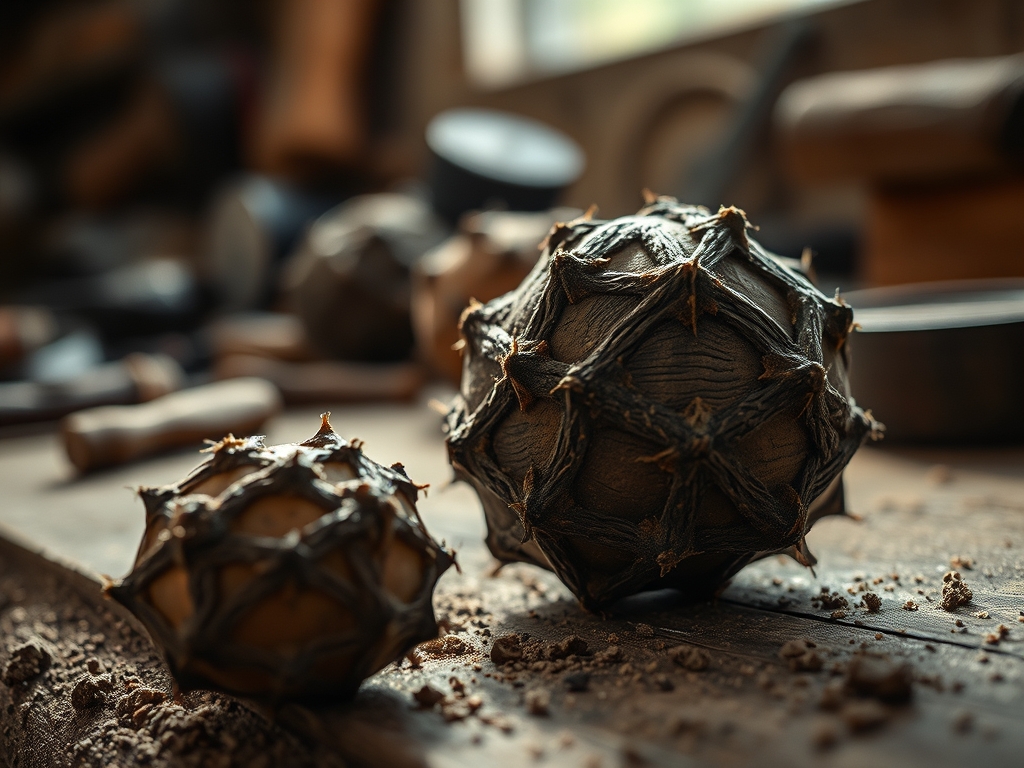
Imagine the crisp snap of a dried twig under your boot and the smell of damp earth as you scour the forest floor for hidden treasures. We are not just walking; we are Foraging For Oak Galls to unlock the darkest, most permanent ink known to history. These small, spherical growths are a botanical marvel, formed when a tiny wasp deposits its larvae into an oak bud. The tree responds by building a high tannin fortress around the intruder. These galls are dense, lightweight, and packed with the chemical precursors required for a reaction that turns clear liquids into a deep, velvet black.
The weight of a handful of galls is surprisingly light, yet they feel as hard as marble. When you roll them in your palm, you can feel the porous texture of the outer husk. This is the ultimate chemistry project hidden in plain sight. We are going to harness the tensile strength of plant fibers and the aggressive chemical reactivity of iron to create a fluid that has signed treaties and sketched masterpieces for centuries. Grab your basket and your curiosity; we are heading into the studio to turn forest defense mechanisms into liquid gold.
THE STUDIO KIT
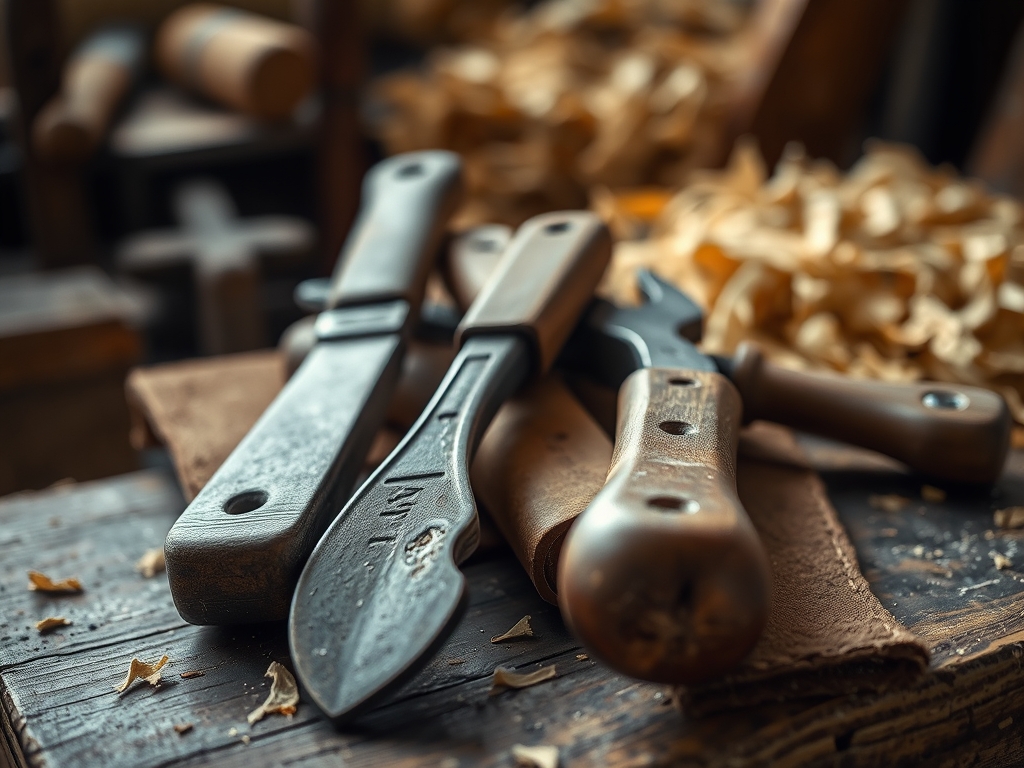
To master this process, you need a kit that balances brute force with delicate precision. Your primary tool is a heavy duty mortar and pestle. If you want to speed up the mechanical breakdown, an oscillating tool with a grinding attachment can pulverize the galls, but the traditional manual method allows you to feel the grain direction of the woody fibers as they shatter.
You will also need:
- Ferrous Sulfate: This is the catalyst. It reacts with the gallotannic acid to create the black pigment.
- Gum Arabic: A binder that increases the viscosity and ensures the ink sits on the surface of the paper rather than bleeding through.
- Distilled Water: Tap water contains minerals that can interfere with the pH balance of your brew.
- Fine Mesh Strainer or Cheesecloth: To filter out the sedimentary particles.
- Glass Vials: For storage, preferably dark amber to prevent UV degradation.
Material Substitutions: If you cannot find iron sulfate, you can create a "rust liquor" by soaking steel wool or rusty nails in vinegar for two weeks. This provides the necessary iron ions, though the concentration is less predictable than laboratory grade powder. Instead of oak galls, you can experiment with sumac berries or walnut husks, though the tannin density will vary, resulting in softer greys or sepia tones.
THE TEMPO
The "Maker's Rhythm" for ink making is a slow burn followed by a sudden, magical transformation. Expect to spend about 30 minutes on the initial forage and another 20 minutes on the mechanical crushing of the galls. The extraction phase requires a 24 hour soak to allow the water to fully penetrate the capillary structures of the oak galls.
Once you begin the cooking process, it takes about 45 minutes of simmering to concentrate the tannins. The final chemical marriage, where you add the iron, happens in seconds. However, the ink needs to "cure" for at least 48 hours to allow the pigment particles to stabilize. Total project time spans about three days, but the active labor is minimal. It is a lesson in patience and chemical timing.
THE CORE METHOD
1. Mechanical Pulverization
First, you must break the structural integrity of the galls. Place them in your mortar and use a rhythmic, downward strike. You are looking to increase the surface area to maximize tannin extraction. Aim for a consistency similar to coarse coffee grounds.
Mastery Tip: Use a jeweler's saw or a heavy blade to slice a few galls open first. Observe the internal chambers. By understanding the structural density of the gall, you can apply the right amount of force without sending shards flying across your studio.
2. The Aqueous Extraction
Place your crushed galls into a non reactive pot and cover with distilled water. Bring the mixture to a gentle simmer. Do not boil aggressively; high heat can denature the tannins and muddy the final color. You are looking for a deep, tea like infusion.
Mastery Tip: This step relies on solubility. Tannins are highly soluble in hot water. By maintaining a steady temperature just below boiling, you ensure the maximum release of gallic acid without evaporating your base liquid too quickly.
3. The Iron Catalyst
Strain the liquid through a fine mesh to remove all woody debris. While the liquid is still warm, add your ferrous sulfate. Watch as the pale brown liquid instantly shifts to a deep, midnight black. This is the formation of the ferro gallic complex.
Mastery Tip: The reaction is an example of complexation chemistry. The iron ions bind to the tannin molecules to create a lightfast pigment. If the color looks purple, your pH is too high; if it looks brown, you need more iron.
4. Binding and Viscosity
Whisk in your gum arabic slowly. This natural resin changes the rheology of the ink. It provides the necessary surface tension to keep the ink from feathering on porous paper and allows it to flow smoothly from a nib or brush.
Mastery Tip: Test the gauge of your ink by dipping a glass pen. If the ink drops off too fast, the viscosity is too low. Add gum arabic in 1 gram increments until the ink clings to the tool with a slight tactile pull.
THE TECHNICAL LEDGER
Maintenance & Longevity: Iron gall ink is acidic by nature. To preserve your work, use acid free, high gsm paper. Over decades, the ink can actually eat through cheap paper, a process known as "ink gall corrosion." Store your bottled ink in a cool, dark place to prevent mold growth; adding a single clove or a drop of wintergreen oil acts as a natural preservative.
Material Variations:
- Sustainable: Use locally foraged galls and recycled iron scraps.
- Premium: Use pharmaceutical grade tannic acid and crystalline gum arabic for a professional, consistent ply.
The Correction:
- The Ink is Grey: This indicates a low tannin concentration. Solution: Simmer the liquid longer to concentrate the brew before adding iron.
- The Ink Clogs the Pen: The sediment is too thick. Solution: Re filter the ink through a coffee filter to remove micro particles.
- The Ink Fades to Brown: This is premature oxidation. Solution: Ensure your storage bottles are airtight and minimize exposure to oxygen during the mixing phase.
Studio Organization: Keep your ink making station separate from your paper storage. Iron sulfate can stain surfaces permanently. Use a dedicated ergonomic glass stirring rod and stainless steel vessels to prevent unwanted reactions with the container itself.
THE FINAL REVEAL
There is nothing quite like the first stroke of a pen fueled by your own handmade ink. The color is deep, soulful, and possesses a tactile quality that commercial inks simply cannot replicate. As the ink dries, it reacts with the oxygen in the air, darkening even further into the fibers of the paper. You have taken a defensive growth from an oak tree and transformed it into a medium for human expression. It is permanent, waterproof, and carries the literal DNA of the forest. Your sketches and journals now have a physical connection to the landscape you walked through.
STUDIO QUESTIONS
What is the best time for Foraging For Oak Galls?
Late summer and autumn are ideal. Look for galls that have fallen to the ground or are easily detached from the branches. Ensure they are dry and brown, indicating high tannin density and low moisture content for better storage.
Can I use any type of iron?
Yes, but the purity affects the color. Ferrous sulfate provides a clean, predictable black. Using rusty nails or steel wool introduces impurities that may result in a more "organic" or variable color palette with shifting viscosity levels.
How do I make the ink waterproof?
The chemical bond between the iron and tannins is naturally water resistant once it oxidizes into the paper fibers. Increasing the gum arabic content further seals the pigment, enhancing the tensile bond between the ink and the porous paper surface.
Is oak gall ink toxic?
It is mildly acidic and contains iron salts, so it should not be ingested. Always work in a ventilated space and wear gloves to prevent the high tannin concentration from staining your skin, which can take days to burnish off.
Why does my ink change color on the page?
This is a hallmark of traditional ink. The iron continues to oxidize when exposed to air. This capillary reaction ensures the ink darkens over the first few minutes of application, creating a living, breathing piece of art.