Picture this: you are standing in a drafty barn in late October, the air smelling of sweet hay and damp earth, sinking your fingers into a raw fleece that still holds the ghost of a heartbeat. It is oily, heavy with lanolin, and possesses a structural integrity that store bought acrylic simply cannot replicate. When we talk about The Sustainable Craft Supply, we are not just talking about being eco friendly; we are talking about the physics of the fiber itself. Local wool from small farms retains its natural crimp, which acts like a microscopic spring. This elasticity allows the fiber to bounce back after being stretched, ensuring your garments never lose their shape. Mass produced wool is often "carbonized" in acid baths to remove vegetable matter, a process that destroys the delicate scales on the hair shaft. By sourcing locally, you preserve those scales, which are essential for the interlocking friction required in high quality spinning and felting. It is the difference between a flat, lifeless string and a living, breathing textile that regulates temperature through its own porous architecture.
THE STUDIO KIT
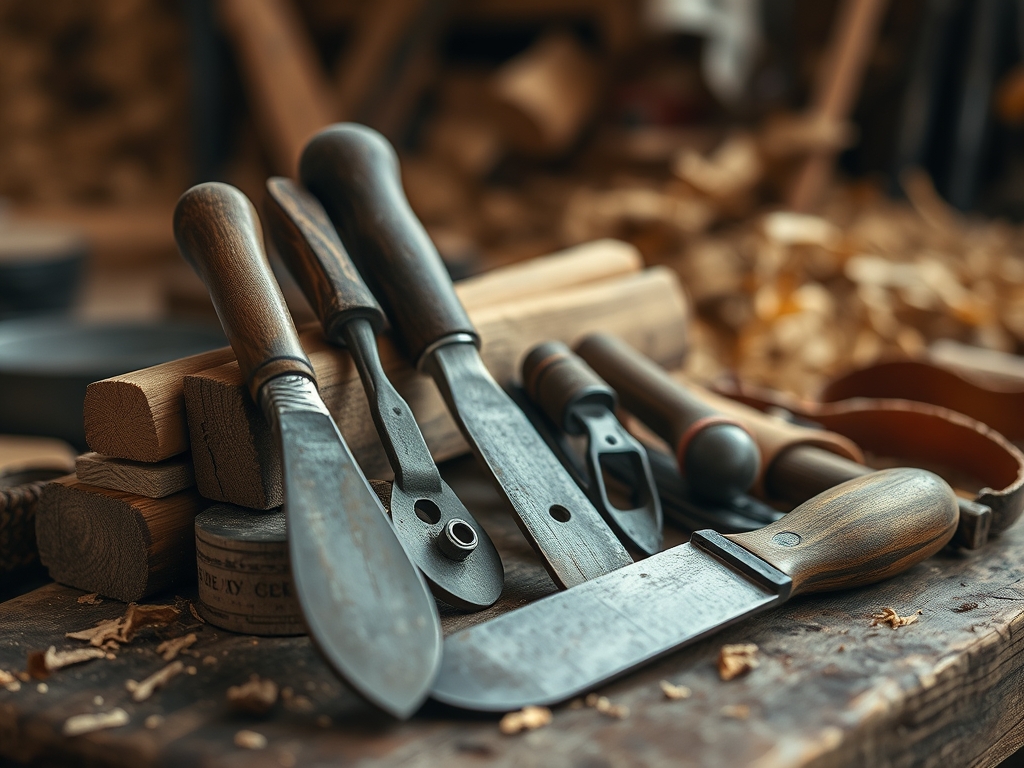
To transform a raw local fleece into a masterpiece, your workbench needs more than just a pair of needles. You need tools that respect the tensile strength of the protein fibers. I start with a pair of hand carders with a fine tooth count to align the fibers into airy rolags. For precision measurements of my yarn weight, I use digital calipers to check the diameter of my spun singles against a standard WPI (Wraps Per Inch) gauge. A flick carder is essential for cleaning the tips of individual locks without destroying the staple length.
If you cannot find a specific breed, consider these Material Substitutions: swap a high crimp Merino for a bouncy Targhee to maintain elasticity, or replace a silky Bluefaced Leicester with Mohair if you need extra luster and a higher micron count for durability. Always have a bone folder on hand to crisp up your pattern folds and a rotary cutter for trimming finished woven edges with surgical precision. The goal is to match the tool's hardness to the fiber's delicate nature.
THE TEMPO
The "Maker's Rhythm" is a biological synchronization between your heart rate and the rotational inertia of your spinning wheel or the repetitive motion of your needles. Processing a local fleece is not a weekend sprint; it is a seasonal marathon. The scouring phase takes approximately 48 hours, accounting for the slow saturation of the fibers and a gentle air dry to prevent "shocking" the wool into felt.
The spinning phase depends entirely on your desired yarn gauge. A fine lace weight might take thirty hours of focused drafting, while a bulky art yarn can be achieved in five. When you find your flow, your hands move with an ergonomic efficiency that minimizes strain on the carpal tunnel. This tempo is vital; rushing the drying process or the twist setting can lead to an unbalanced yarn that kinks and snarls. Respect the clock, and the wool will respect your design.
THE CORE METHOD
1. Scouring the Raw Suint
Before the wool can be worked, we must remove the suint (sweat salts) and excess lanolin. Submerge the fleece in 140 degree Fahrenheit water with a specialized surfactant. Do not agitate the water. Movement combined with heat causes the microscopic scales to open and lock together, leading to accidental felting.
Mastery Tip: This process relies on thermal equilibrium. If the rinse water is colder than the wash water, the sudden temperature drop causes the fiber's cuticle to contract violently, trapping dirt and ruining the tactile softness. Always match your water temperatures to within five degrees.
2. Carding for Fiber Alignment
Once dry, use your hand carders to brush the wool. This step separates the tangled clumps into a uniform cloud. You are looking for a consistent fiber density across the teeth of the carder. By brushing the fibers in one direction, you ensure that the resulting rolag will draft smoothly during the spinning process.
Mastery Tip: Use the physics of frictional resistance. If the fibers are pulling or snapping, you are overloading the carder. A light, airy load reduces the force required to pull the teeth through the wool, preventing "neps" or tiny knots from forming in the staple.
3. Drafting and Twist Insertion
As you spin, you pull a small amount of fiber from the rolag (drafting) while the wheel inserts twist. The amount of twist determines the tensile strength of the yarn. Too little twist and the yarn pulls apart; too much and it becomes "overplied" and wiry.
Mastery Tip: This is an exercise in torque application. The twist travels into the thinnest part of the fiber supply first. By controlling the thickness of your draft with your thumb and forefinger, you dictate where the energy of the twist settles, creating a structurally sound, balanced ply.
4. Setting the Twist
The final step is to soak the finished skein in warm water and hang it to dry. This "kills" the active energy in the yarn, allowing the fibers to relax into their new twisted shape.
Mastery Tip: Use gravitational tension. Hanging the wet skein with a small weight (like a heavy plastic spray bottle) ensures the yarn dries straight. This prevents the finished fabric from "biasing" or leaning to one side once it is knitted or woven.
THE TECHNICAL LEDGER
Maintenance & Longevity: Wool is naturally antimicrobial, but it is susceptible to protein eating pests. Store your finished pieces in airtight containers with cedar blocks. The cedar oils act as a natural repellent without damaging the porous structure of the wool.
Material Variations:
- Premium: Raw Shetland fleece (high crimp, multi tonal).
- Sustainable: Recycled sari silk blended with local Corriedale.
- Industrial: Carbonized roving (avoid this if you want maximum bounce).
The Correction:
- Over-twisted yarn: If your yarn looks like a corkscrew, run it back through the wheel in the opposite direction to release some torsional strain.
- Lumpy drafting: This usually means your staple length is too long for your drafting style. Increase the distance between your hands to allow the fibers to slide past each other.
- Crunchy texture: This is caused by leftover soap. Re-rinse in a solution of water and a splash of white vinegar to restore the pH balance of the fibers.
Studio Organization: To prevent degradation, store your "The Sustainable Craft Supply" stash in a dark, temperature controlled environment. UV light breaks down the protein bonds in wool, leading to "sun rot" and brittle fibers. Use clear bins so you can monitor for pests without opening the seal.
THE FINAL REVEAL
There is nothing quite like the moment you drape a finished shawl made from local wool over your shoulders. It has a weight and a "drape" that feels intentional. Because you worked with the natural grain direction of the fleece, the garment has a halo of soft fibers that trap heat efficiently while remaining breathable. It feels like a collaboration between you, the farmer, and the sheep. It is a piece of technical art that will last decades, outliving any fast fashion alternative. You have successfully harnessed the complex physics of a biological material and turned it into something beautiful.
STUDIO QUESTIONS
Why is local wool better for the environment?
Local wool minimizes the carbon footprint by reducing transportation distances. It also supports regenerative farming practices that improve soil health and biodiversity, making it a cornerstone of The Sustainable Craft Supply movement within the global textile industry.
What is staple length and why does it matter?
Staple length is the average length of the individual fiber strands. Longer staples provide higher tensile strength and are easier for beginners to spin, while shorter staples create a softer, loftier yarn perfect for delicate, next to skin garments.
Can I wash raw wool in a washing machine?
No. The mechanical agitation of a washing machine, combined with heat, will cause the wool to felt into a solid mass. Manual scouring in a stationary basin is required to preserve the structural integrity and alignment of the fibers.
What does "micron count" mean for my project?
Micron count measures the diameter of the fiber in micrometers. A lower micron count (under 20) indicates a finer, softer wool like Merino, while a higher count (over 30) indicates a sturdier, more "toothy" wool suited for rugs or outerwear.
How do I tell if my yarn is balanced?
Hold a length of freshly spun yarn in a U-shape. If the yarn twists around itself, it has too much energy. A balanced yarn will hang in a neutral loop, indicating the torque is perfectly distributed for knitting or weaving.