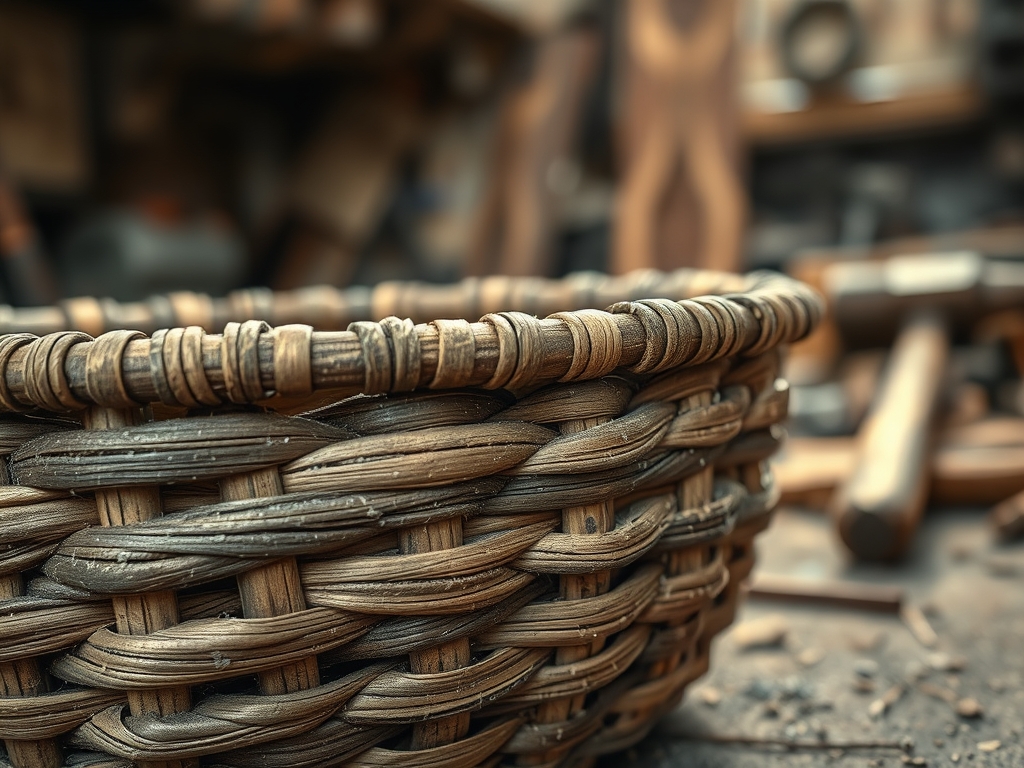
Imagine the scent of sun-baked meadows filling your workspace as you run your fingers over a bundle of cured sweetgrass. There is a specific, grounding resistance in the stems that tells you exactly how much tension they can handle before they snap. We are diving deep into the ancient, mathematical beauty of Natural Fiber Basket Weaving to create a sustainable carry that is as sturdy as a leather tote but entirely biodegradable. This is not just a hobby; it is a masterclass in structural engineering using the organic geometry of the earth. When you hold these raw materials, you are feeling the literal tensile strength of cellulose and lignin. We are going to transform these loose, unruly stalks into a rigid, load-bearing vessel through the power of friction and wrap-tension. Grab your favorite mug of tea because we are about to turn a pile of local flora into a functional masterpiece that would make any high-end boutique jealous.
THE STUDIO KIT
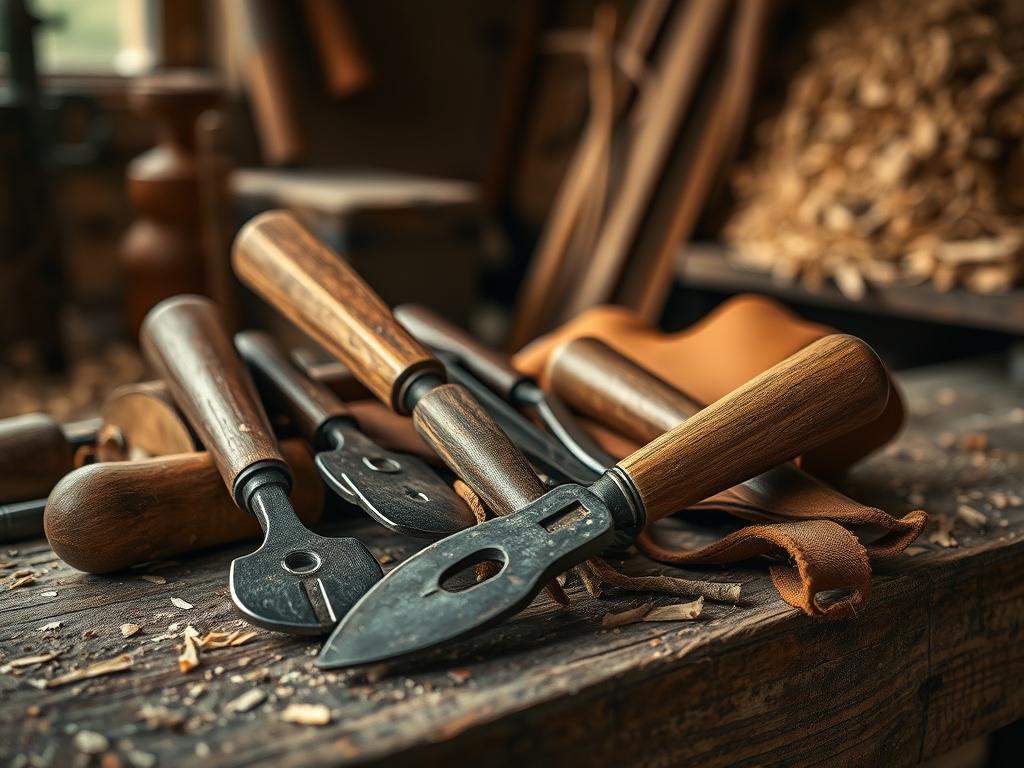
To master the physics of weaving, your toolkit needs to be precise. You cannot rely on guesswork when you are calculating the load-bearing capacity of a base. You will need a heavy-duty awl for creating space between tight weaves and a pair of high-carbon steel snips for clean, non-fraying cuts. A bone folder is essential for burnishing the fibers and ensuring they lay flat against one another, which maximizes surface contact and friction.
For materials, we are looking for long-stemmed grasses like seagrass, willow, or bulrush. These fibers are incredibly porous, meaning they absorb moisture quickly to become pliable but lock into a rigid state once dry. If you cannot find local grasses, you can use Material Substitutions like raffia or even recycled sari silk strips. However, keep in mind that synthetic substitutions lack the capillary action of natural fibers, which helps the weave "set" as it cures. You will also want a digital caliper if you are feeling extra technical to ensure your "weaver" strands are a consistent gauge throughout the project.
THE TEMPO
Crafting a sustainable carry is a marathon, not a sprint. You need to respect the Maker's Rhythm, which is the internal cadence where your hands move in sync with the material's flexibility. The Preparation Phase takes about 4 hours; this involves harvesting, cleaning, and the crucial "mellowing" period where fibers are soaked to reach peak elasticity.
The Construction Phase is the heart of the project, typically requiring 10 to 15 hours depending on the complexity of your weave pattern. Finally, the Curing Phase takes a full 48 hours. This is where the moisture evaporates, causing the fibers to shrink slightly and tighten the entire structure. If you rush the construction while the fibers are too wet, you risk mold; if they are too dry, the tensile strength drops and the fibers will shatter under the pressure of the awl.
THE CORE METHOD
1. The Radiant Foundation
Everything starts with the "slath," which is the structural intersection of your primary spokes. You will cross four vertical spokes over four horizontal spokes, securing them with a thin, flexible weaver.
Mastery Tip: This step relies on structural integrity. By crossing the spokes at a perfect 90-degree angle, you distribute the eventual weight of the carry evenly across the base, preventing the center from sagging or "crowning" under pressure.
2. The Twining Transition
Once your base is wide enough, you will transition from a flat plane to the vertical walls. This involves "upsetting" the spokes, which means bending them upward at a sharp angle. You will use a twining technique, where two weavers twist around each spoke.
Mastery Tip: This utilizes torsional force. As you twist the two weavers, they create a locking mechanism that prevents the spokes from splaying outward. The friction between the twisted fibers keeps the walls vertical without the need for internal supports.
3. The Body Weave and Tension Control
As you build the walls, consistency is your best friend. You will move in a continuous spiral, ensuring each row sits flush against the one below it. Use your bone folder to pack the rows down tightly.
Mastery Tip: This stage is all about surface tension. If your weave is too loose, the basket will be "floppy" because there is not enough friction to hold the shape. By maintaining a constant "pull" on the weaver, you create a rigid lattice that can support significant weight.
4. The Rim and Border Finish
The final step is the border, where you fold the remaining spoke ends back into the weave. This "locks" the entire system. You will use your awl to open a path for the spoke to tuck securely into the third row down.
Mastery Tip: This is a lesson in load distribution. By tucking the spokes deeply into the body, you ensure that any stress placed on the rim is transferred down through the entire vertical structure of the basket rather than snapping the top edge.
THE TECHNICAL LEDGER
Maintenance & Longevity: To keep your natural fiber carry in peak condition, avoid prolonged exposure to direct UV rays, which can cause the lignin to break down and become brittle. A light coating of beeswax can help "seal" the fibers and provide a water-resistant barrier.
Material Variations:
- Sustainable: Wild-harvested invasive grasses are the gold standard for eco-friendly making.
- Recycled: Old climbing ropes or hemp twine provide incredible tensile strength for heavy-duty hauling.
- Premium: Long-leaf pine needles offer a beautiful aesthetic and a natural resinous scent that acts as a mild pest repellent.
The Correction:
- The Gap: If you see daylight between rows, your tension is uneven. Fix this by using a blunt awl to "pack" the rows tighter before the fiber dries.
- The Snap: If a spoke breaks, do not panic. Use a "tapered splice" to overlap a new spoke by at least three inches, securing it with the next three passes of the weaver.
- The Lean: If your basket is tilting, your "upsetting" angle was inconsistent. You can sometimes steam the piece and use a heavy weight to "reset" the symmetry as it dries.
Studio Organization: Store your raw grasses in a cool, dry place with plenty of airflow. Hanging them in bundles prevents the bottom fibers from being crushed and maintains their natural "spring" for when you are ready to weave.
THE FINAL REVEAL
Look at that silhouette! Your finished sustainable carry is a testament to the marriage of physics and art. The way the light catches the variegated tones of the natural grass highlights the rhythmic precision of your work. It feels substantial in your hand, doesn't it? That weightiness is the result of thousands of tiny friction points working together to create a single, unified structure. You have successfully bypassed the industrial supply chain to create something high-performance, beautiful, and completely earth-friendly. Whether you are taking this to the farmer's market or using it as a chic studio organizer, you are carrying a piece of the landscape with you.
STUDIO QUESTIONS
How do I prevent mold in natural fibers?
Ensure your basket has 360-degree airflow during the drying process. Never store a damp basket in a closed cupboard. If mold appears, a light spray of white vinegar and water will neutralize the spores without damaging the cellulose structure.
What is the best way to harvest local grasses?
Always use sharp shears to ensure a clean cut, which preserves the plant's health. Harvest after the dew has evaporated but before the midday sun makes the stalks brittle. This ensures the internal moisture content is stable for curing.
Can I dye my natural fibers at home?
Yes, but use reactive dyes or natural mordants like salt or vinegar. Natural fibers are highly porous, so they take color beautifully. Dye the fibers before weaving to ensure the pigment reaches every surface of the "ply."
How much weight can a grass basket actually hold?
A well-constructed basket using a twining technique can easily hold 15 to 20 pounds. The secret is the structural integrity of the base and the rim. If the spokes are thick and the weave is tight, the friction is immense.