Imagine the smell of fresh cedar shavings and the cool, heavy weight of a steel ruler against your palm. There is a specific magic that happens when the morning sun hits your workbench at a shallow angle; it reveals every micro-fissure and grain variation that a standard overhead bulb would flatten into obscurity. To truly master your craft, you need an Integrated Shop Lighting Design that marries the raw power of the sun with strategic task lamps. We are not just talking about opening a window. We are talking about calculating the luminous flux of your workspace to ensure your eyes do not fatigue before your project is finished. When you align your workstation with natural light sources, you reduce the stroboscopic effect often found in cheap LED setups, allowing your brain to process the fine details of a burnished edge or a perfectly set gauge with much higher precision. It is about the tactile connection between your tools and the photons bouncing off your workpiece.
THE STUDIO KIT
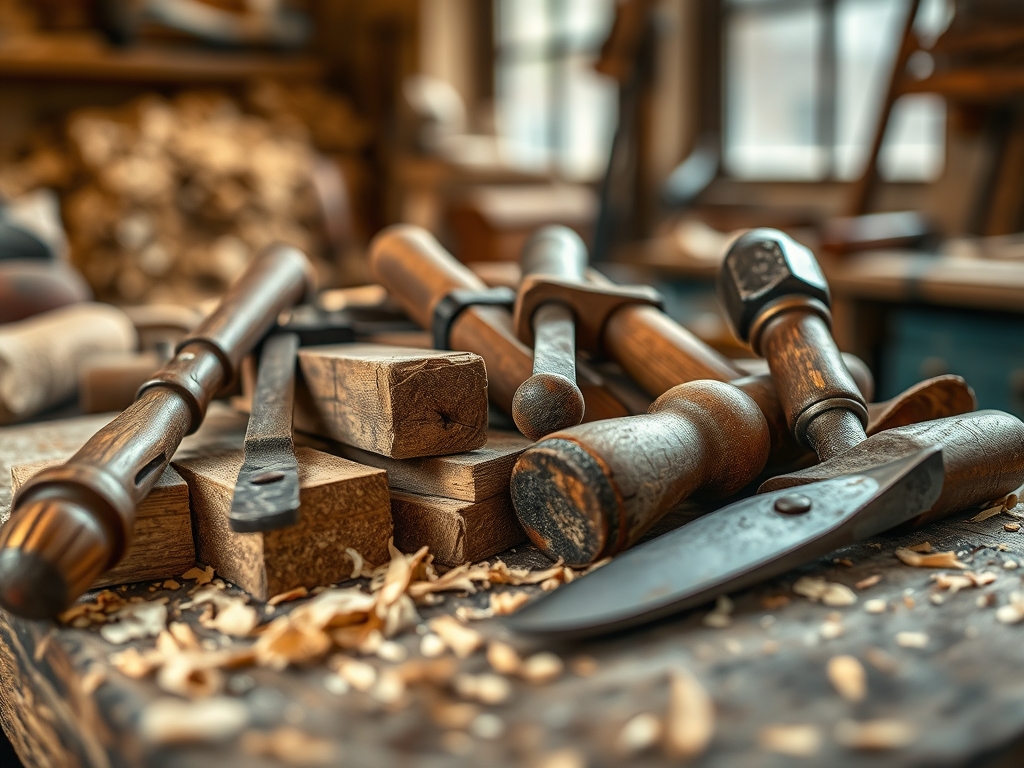
To execute a professional light integration, you need more than just a desk lamp. You need tools that measure and manipulate the environment. Start with a digital lux meter to quantify the intensity of light hitting your primary work zone. You will also need parabolic reflectors or white foam core boards to bounce light into the "shadow pockets" of your machinery. For the physical installation, keep a heavy-duty rotary cutter and a precision awl nearby to trim and secure diffusion fabrics.
Material Substitutions: If you cannot afford professional-grade diffusion silk, high-density polyethylene sheeting works beautifully to soften harsh southern sun. Instead of expensive motorized blinds, use tension rods with linen fabric; the porous nature of linen allows for air circulation while scattering light rays effectively. For reflective surfaces, brushed aluminum sheets are a premium choice, but high-gloss white paint on a plywood board offers a similar albedo effect for a fraction of the cost.
THE TEMPO
The "Maker's Rhythm" for lighting design is divided into three distinct phases. First is the Observation Phase (24 hours), where you track the sun's arc across your studio. You cannot rush this; you need to see how the color temperature shifts from the blue tones of 7:00 AM to the warm, amber hues of 4:00 PM.
Second is the Installation Phase (4 to 6 hours), where you mount your reflectors and adjust your workbench orientation. This is the "heavy lift" where you check the ergonomic flow of your movements against the light source. Finally, the Calibration Phase (1 hour) happens at dusk, where you integrate your artificial task lights to fill the gaps left by the setting sun. This rhythmic approach ensures your eyes never have to struggle with sudden contrast ratios.
THE CORE METHOD
1. Map the Solar Path
Before moving a single piece of furniture, use a compass to identify your studio's orientation. North-facing windows provide the most consistent, cool light, while South-facing windows offer high intensity that requires heavy diffusion. Observe the alignment in the step-by-step photos below.
Mastery Tip: Understand the inverse square law. If you move your workbench twice as far from the window, you do not get half the light; you get one-fourth. Keeping your precision tools like calipers and jeweler's saws within three feet of the light source is essential for maintaining visual acuity.
2. Install Diffusion Barriers
Raw sunlight creates "hot spots" that can bleach organic materials like leather or wood. Hang your diffusion material—whether it is silk or polyethylene—at least two inches away from the glass. This creates a thermal buffer and allows the light to scatter more uniformly across the room.
Mastery Tip: This process utilizes refraction. By passing light through a medium of different density, you break up the direct "hard" rays into "soft" omnidirectional light. This eliminates the harsh shadows that hide your cut lines when using a rotary cutter.
3. Position Reflective Baffles
Place your white or metallic reflectors opposite your primary light source. This "fills" the shadows on the side of the workpiece facing away from the window. Use a bone folder to crisp the edges of your foam core reflectors for a professional, sturdy finish.
Mastery Tip: Focus on the angle of incidence. Light reflects off a surface at the same angle it hits it. By tilting your reflectors at a 45-degree angle toward your lap, you maximize the luminous efficacy of the natural light without needing to flip your project over.
4. Integrate Secondary Task Lighting
Natural light is your base layer, but for tasks like threading a needle or checking the tensile strength of a joint, you need a focused beam. Position a warm-toned LED lamp on the opposite side of your natural light source to create a balanced, three-point lighting setup.
Mastery Tip: Watch for specular reflection. If you are working with polished metals or glass, direct light will create a blinding glare. Angle your task lamp so the light grazes the surface horizontally; this highlights the topography of the material without bouncing light directly into your pupils.
THE TECHNICAL LEDGER
Maintenance & Longevity: Dust is the enemy of light. Clean your windows and diffusion screens monthly using a microfiber cloth. Dust buildup on a reflector can reduce its reflectance by up to 30 percent over six months. If using fabric diffusers, wash them in cold water to prevent shrinking, which could alter the weave density and light-scattering properties.
Material Variations:
- Sustainable: Use reclaimed mirrors or discarded offset printing plates as high-efficiency reflectors.
- Premium: Invest in museum-grade acrylic with UV filtering to protect sensitive materials like dyed textiles or rare hardwoods from fading.
The Correction:
- The Glare Gap: If light is bouncing off your monitor or steel tools into your eyes, use matte black gaffers tape on the reflective edges of the tool to kill the "hot spot."
- The Color Shift: If your artificial lights look too yellow against the daylight, swap your bulbs for "Daylight Balanced" LEDs (5000K to 6500K) to match the Kelvin rating of the sun.
- The Shadow Block: If your body is casting a shadow on your work, move your bench so the light comes from the side of your non-dominant hand.
Studio Organization: Store your portable reflectors flat in a dry-media cabinet or hang them from the ceiling using "S" hooks. This prevents warping and ensures the structural integrity of the reflective surface remains perfectly flat for the next session.
THE FINAL REVEAL
Once your Integrated Shop Lighting Design is complete, the atmosphere of your studio will transform from a dim cave into a professional laboratory of light. You will notice that your kerf lines are sharper, your color matching is more accurate, and that nagging headache at the end of a long session has vanished. There is a profound satisfaction in watching the dust motes dance in a perfectly diffused beam of light while you work. Your tools feel more responsive because you can actually see the microns of difference in your adjustments. This is not just about saving electricity; it is about honoring the craft by giving it the clarity it deserves.
STUDIO QUESTIONS
How do I measure if my shop light is sufficient?
Use a lux meter or a smartphone light meter app. For detailed crafting, aim for 500 to 1,000 lux on your primary work surface. This ensures high visual contrast without causing eye strain during long periods of focus.
Will natural light damage my wood or leather projects?
Yes, UV rays can degrade organic fibers and cause photobleaching. Always use a UV-filtering film on your windows or a high-density diffusion cloth to block harmful wavelengths while still allowing visible light to illuminate your workspace.
What is the best wall color for a natural light studio?
Opt for a "Gallery White" with a high Light Reflectance Value (LRV) of 85 or higher. This allows light to bounce off the walls and fill the room, creating a shadowless environment perfect for precision assembly.
Can I use mirrors instead of white foam board?
Mirrors create "hard" light which can be distracting and create intense heat spots. White foam board provides diffuse reflection, scattering light evenly. Only use mirrors if you need to redirect light into a very dark, distant corner.