Grab your gloves and clear the workbench because we are about to turn backyard debris into architectural gold. There is a specific, electric thrill that comes with Foraging For Garden Support after a heavy spring rain. You can feel the weight of the water still trapped in the cellular walls of the willow. The bark feels slick and cool to the touch; it is a living material that pulses with a surprising amount of tensile strength. When you find a fallen willow branch, you are not just looking at a stick. You are looking at a bundle of long, flexible fibers held together by lignin, the natural polymer that acts as the glue of the plant world. Willow is unique because of its high concentration of salicylic acid, which keeps the wood pliable and resistant to rot even when we start weaving it into complex shapes. We are going to harness that natural elasticity to create something that looks like it grew right out of the soil. It is a dance between your hands and the wood, a tactile conversation where you learn exactly how far a fiber can stretch before it snaps.
THE STUDIO KIT
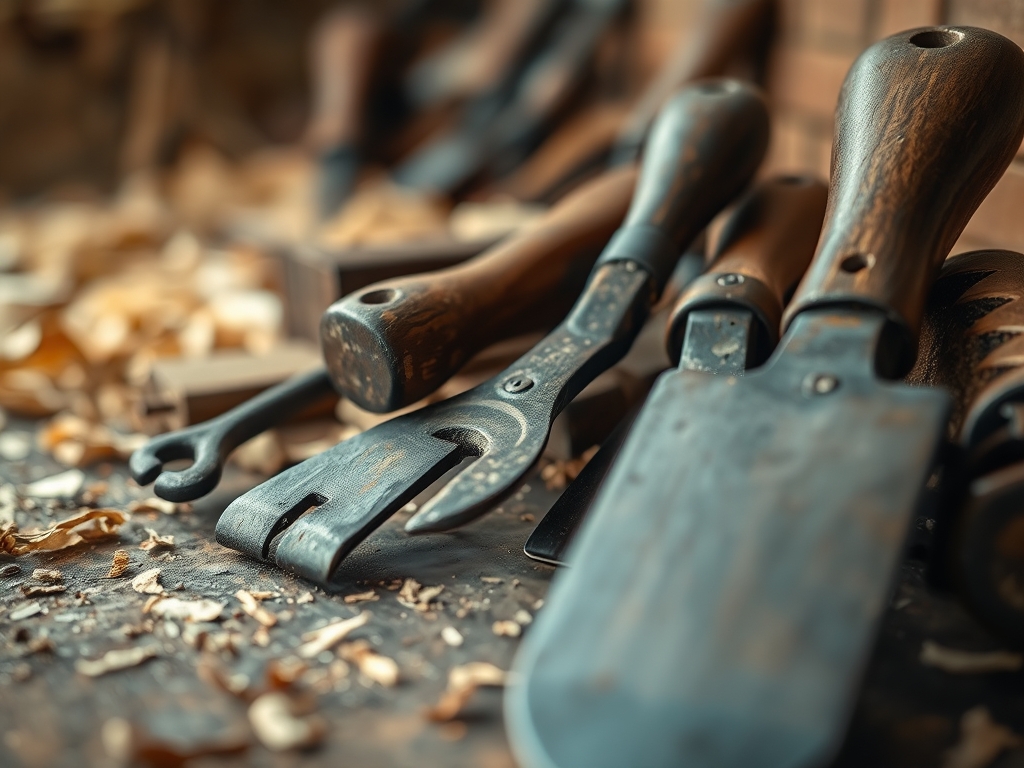
To master this build, you need a kit that respects the porous nature of green wood. You will need a high-quality pair of bypass pruners to ensure clean, surgical cuts that do not crush the vascular tissue of the willow. A caliper is essential for measuring the diameter of your primary uprights; consistency here ensures that your trellis can distribute weight evenly. You should also have a sharp awl for pre-drilling or creating pilot holes if you decide to use copper tacks for extra stability. For the weaving process, a spool of 18-gauge waxed linen thread or thin copper wire provides the necessary grip against the smooth bark.
If you cannot find willow, your "Material Substitutions" include dogwood or hazel. Both offer similar flexural slip, though dogwood provides a more rigid structural integrity while hazel offers a beautiful, dark aesthetic. Avoid oak or maple for the weaving components; their high tannin content and rigid grain structure make them prone to fracturing when bent at acute angles. Always keep a damp rag nearby to wipe down your tools; the sap from fresh willow can be acidic and may corrode high-carbon steel blades if left to sit.
THE TEMPO
The "Maker's Rhythm" for a willow trellis is divided into three distinct movements. First is the Harvest and Hydration phase, which takes about sixty minutes. You must sort your branches by diameter and soak any that have started to dry out to restore their capillary action. The second movement is the Structural Frame assembly, requiring roughly forty-five minutes of focused alignment and anchoring. This is the "slow" part of the project where precision matters most. Finally, the Weaving and Tensioning phase takes about ninety minutes. This is where you find your flow, looping and tucking the thinner whips into the frame. Total project time is roughly three to four hours, but the meditative quality of the weave makes the clock disappear.
THE CORE METHOD
1. Sorting by Gauge and Density
Begin by laying out your foraged materials on a flat surface. Separate the thickest, straightest branches to serve as your primary vertical pillars. These should be at least one inch in diameter to provide a stable foundation. The thinner, more flexible "whips" will be used for the horizontal lattice.
Mastery Tip: Understand that wood is an anisotropic material, meaning its strength varies depending on the direction of the grain. By sorting by diameter, you are essentially grading your lumber for specific load-bearing tasks.
2. Setting the Anchor Points
Drive your primary pillars into the ground or a large planter box. Use a rubber mallet to avoid splitting the tops of the stakes. Ensure they are spaced evenly, using your caliper to check that the distance remains constant from the base to the tip.
Mastery Tip: The depth of your anchor determines the structural integrity of the entire piece. For a six-foot trellis, at least twelve inches should be subterranean to counteract the lateral force of wind and climbing heavy vines.
3. The Primary Horizontal Brace
Take your medium-thickness branches and lash them horizontally across the uprights. Use a square lash technique with your waxed linen or copper wire. This creates the "ladder" that defines the height of your trellis.
Mastery Tip: This step utilizes frictional resistance. The wax on the thread bites into the bark, preventing the horizontal bars from sliding down the vertical stakes under the weight of the plant.
4. Weaving the Diamond Lattice
This is where the magic happens. Take your thinnest, most flexible willow whips and weave them diagonally across the frame. Start from the bottom left and move toward the top right, then repeat from the bottom right to the top left to create a diamond pattern.
Mastery Tip: This pattern distributes stress across multiple points. By creating a series of triangles and diamonds, you are applying the principles of truss engineering, which allows a lightweight structure to support significant weight.
5. Burnishing and Finishing
Once the weave is complete, use a soft cloth or a bone folder to press down any stray fibers or rough edges where the branches overlap. This smooths the surface and ensures that delicate plant tendrils will not be snagged or damaged as they grow.
Mastery Tip: Burnishing the junctions compacts the surface fibers, which reduces the porosity of the wood at its most vulnerable points, effectively slowing down the rate of decay from trapped moisture.
THE TECHNICAL LEDGER
Maintenance & Longevity: A willow trellis is a seasonal masterpiece. To extend its life, apply a light coat of linseed oil every autumn. This creates a hydrophobic barrier that prevents water from freezing inside the wood cells, which causes splitting. Expect a well-maintained trellis to last three to five years before the natural biodegradation process requires a replacement.
Material Variations: For a "Premium" version, use peeled willow for a sleek, blonde look. For a "Sustainable" approach, use reclaimed copper wire from old electronics to lash your joints. If you want a "Recycled" aesthetic, integrate dried grapevines for a gnarled, textured contrast against the straight willow stakes.
The Correction:
- The Snap: If a branch breaks during weaving, it is likely dehydrated. Fix: Soak your whips in a tub of water for twenty-four hours to restore turgor pressure.
- The Lean: If the trellis tilts, your anchors are too shallow. Fix: Use an oscillating tool to sharpen the base of the stakes into a finer point and drive them deeper.
- The Slip: If horizontal bars slide, your knots are too loose. Fix: Use a "clove hitch" knot and a drop of wood glue at the junction to increase the coefficient of friction.
Studio Organization: Store your leftover willow upright in a cool, dry place. Do not lay them flat on a concrete floor, as they will wick up moisture and mold. Use a simple rack to keep them off the ground and allow for 360-degree airflow.
THE FINAL REVEAL
Stand back and look at that! You have just transformed a pile of "yard waste" into a sophisticated, organic sculpture. The way the light hits the curved willow creates a rhythmic shadow play on the ground that is purely hypnotic. Your garden now has a soul; a structure that feels intentional and deeply connected to the earth. It is sturdy, it is elegant, and it is a testament to your ability to see the physics of beauty in the world around you. This trellis is not just a support for your peas or clematis; it is a monument to the art of foraging and the thrill of the make.
STUDIO QUESTIONS
How do I know if the willow is too dry to weave?
If the branch snaps with a sharp "crack" when bent to a forty-five-degree angle, the moisture content is too low. Fresh willow should bend into a "U" shape without any audible fracturing of the internal fibers.
Can I use green willow that still has leaves?
Yes, but you should strip the leaves first. Leaving foliage on the branches will accelerate transpiration, drawing moisture out of the wood and making it brittle much faster than if you strip it immediately after foraging.
What is the best way to secure the top of the trellis?
Use a "wigwam" tie. Gather all your vertical pillars at the top and wrap them tightly with wire. This creates a centralized load point that increases the overall stability of the structure against high winds.
Does the bark eventually fall off the willow?
As the wood dries, it will shrink slightly, which can cause the bark to loosen. Applying a natural sealant like beeswax or linseed oil can help the bark adhere to the heartwood for a longer period.
Why use copper wire instead of plastic zip ties?
Copper is a malleable metal that weathers beautifully, turning a soft green patina that blends with the garden. Unlike plastic, it does not degrade under UV exposure and provides a much stronger mechanical bond over time.