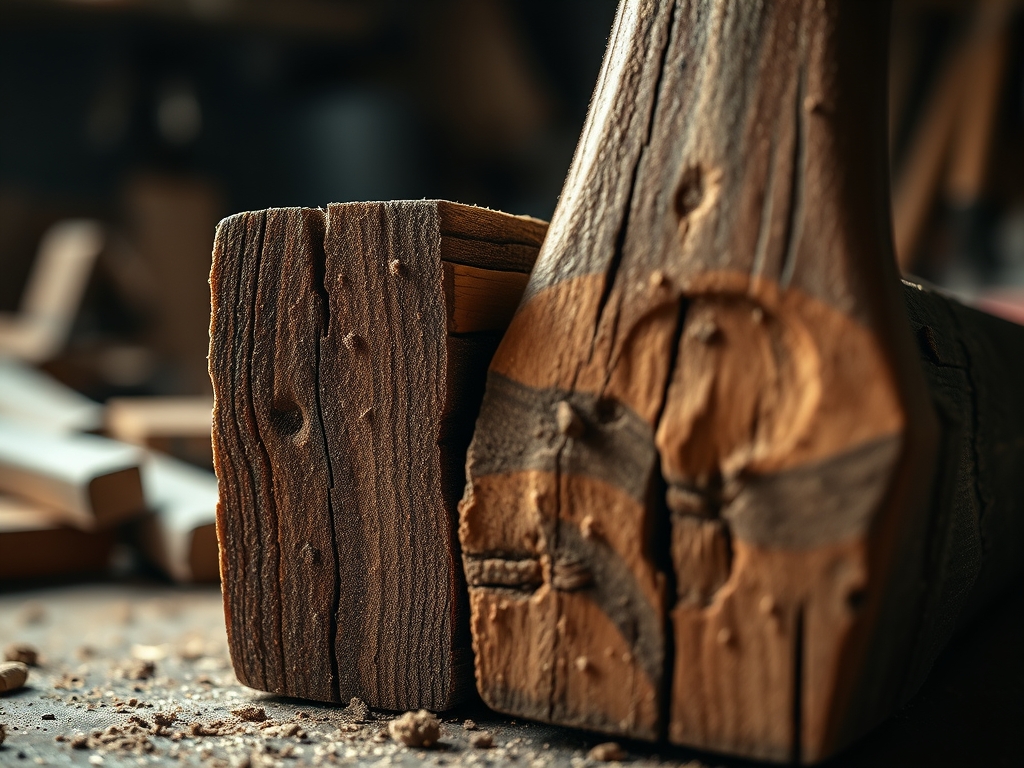
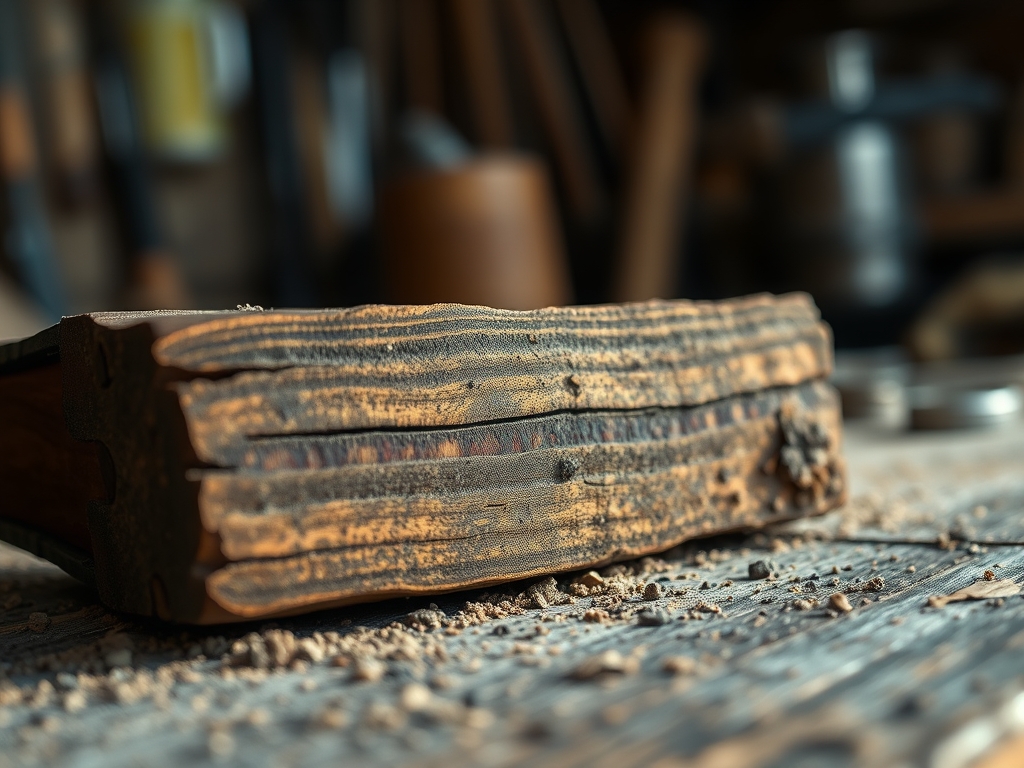
Imagine the sharp, metallic scent of rusted steel wool swirling into the deep, earthy aroma of a double-strength black tea. This is not just a DIY experiment; it is a chemical transformation that turns raw timber into a piece of history. When we explore Natural Wood Coloring Methods, we are manipulating the cellular structure of the wood itself. You can feel the change in the grain as the liquid penetrates the porous surface. The wood fiber swells slightly, accepting the infusion of tannins that will soon react with iron acetate. It is a tactile experience that bridges the gap between high-end furniture design and backyard alchemy. We are not just painting a surface; we are inducing a permanent color change within the lignocellulose matrix of the wood. This process is visceral, messy, and absolutely brilliant.
THE STUDIO KIT
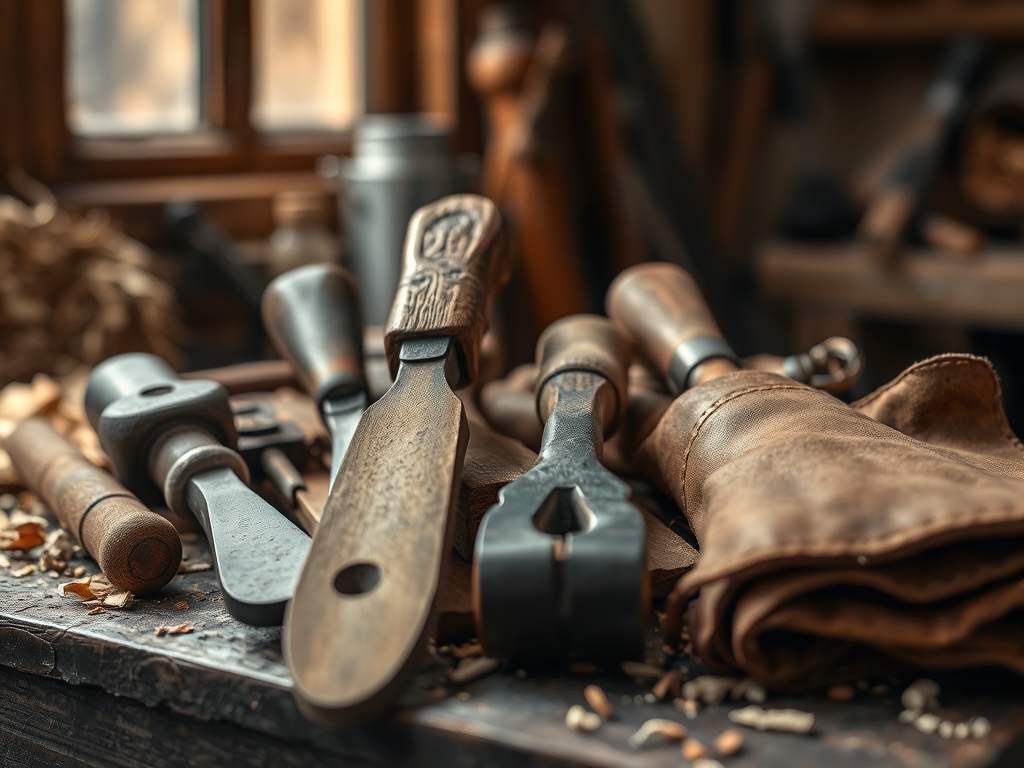
To master this reaction, you need a kit that respects the chemistry involved. First, you need Grade 0000 steel wool, which has a high surface area to volume ratio, allowing for rapid oxidation when submerged in white vinegar. You will also need a high-tannin tea; black tea is the standard, but quebracho bark or chestnut extract offers a higher density of polyphenols. For application, skip the cheap foam brushes and reach for a high-quality natural bristle brush or a lint-free cotton rag to ensure even saturation without leaving streaks.
Your toolkit should also include a digital caliper to measure any slight swelling in the wood dimensions after soaking. A fine-grit sanding block (220 to 400 grit) is essential for knocking down the grain that will inevitably rise during the wetting process. If you are working on intricate carvings, a jeweler's saw or a bone folder can help you navigate tight corners where the stain might pool.
Material Substitutions: If you lack steel wool, you can use rusted iron nails or even clean iron filings. If tea is unavailable, any source of tannic acid works; think crushed acorns or even pomegranate skins. Each substitution alters the molecular weight of the solution, resulting in shades ranging from silvery driftwood to deep, midnight obsidian.
THE TEMPO
The "Maker's Rhythm" for this project is dictated by the speed of oxidation. You cannot rush a chemical bond. The iron solution requires at least 24 to 48 hours to fully mature into iron acetate. During this time, the vinegar breaks down the iron fibers, creating a clear or slightly amber liquid that holds the "magic" reactant.
The application phase is much faster but requires precision. Applying the tea takes about fifteen minutes, followed by a mandatory drying period of one hour to allow the tannins to settle into the capillary structure of the wood. The final reaction, where the iron meets the tea, happens in seconds but takes an hour to fully "set" and stabilize. Total active labor is low, but the chronological span is about three days. Respecting this tempo ensures that the color penetrates deep into the heartwood rather than just sitting on the surface.
THE CORE METHOD
1. Preparing the Iron Acetate Solution
Start by shredding your steel wool and placing it in a glass jar filled with white vinegar. Leave the lid slightly loose to allow the escape of hydrogen gas, a byproduct of the oxidation process. Mastery Tip: The science here is a simple displacement reaction. By increasing the temperature of the vinegar slightly before adding the steel, you can accelerate the kinetic energy of the molecules, leading to a faster breakdown of the metal.
2. Saturating with Tannins
Brew a concentrated batch of tea using three to four bags per cup of water. Apply this generously to your sanded wood surface. Mastery Tip: This step utilizes capillary action. The tea travels through the xylem vessels of the wood. If the wood is too dry, the surface tension might prevent deep penetration; a light misting with distilled water before the tea can help "open" the pores for a more uniform take-up.
3. The Reactive Wash
Once the tea is dry to the touch, apply the strained iron solution. The wood will transform almost instantly from a brownish hue to a deep grey or black. Mastery Tip: This is the formation of ferric tannate, a pigment used since the Middle Ages for ink. The intensity of the color is directly proportional to the density of the tannins present; if the color is too light, you can re-apply tea and then iron in layers to build up the depth.
4. Neutralizing and Burnishing
After the reaction has reached your desired depth, wipe the wood down with a damp cloth to remove any excess acidity. Once dry, use a bone folder or a smooth stone to burnish the surface. Mastery Tip: Burnishing compresses the surface fibers, increasing the wood's density and creating a natural luster. This mechanical action closes the pores, locking the new pigments into the cellular structure and providing a smoother base for your final wax or oil finish.
THE TECHNICAL LEDGER
Maintenance & Longevity: Because this is a chemical change rather than a pigment film, it will not chip or peel. However, the iron acetate can remain slightly acidic. To ensure longevity, apply a coat of beeswax or hemp oil to seal the wood and prevent atmospheric moisture from reacting with any leftover iron particles.
Material Variations:
- Sustainable: Use salvaged rusty hardware and foraged acorns for a zero-waste approach.
- Recycled: Old pallet wood (usually pine or oak) reacts beautifully, though pine requires more tea due to its lower natural tannin content.
- Premium: White Oak is the gold standard for this method because its high natural tannin levels create a deep, uniform "ebonized" look without multiple coats.
The Correction:
- Blotchy Finish: This happens due to uneven sanding. Fix by lightly sanding back with an oscillating tool and reapplying the tea.
- Metallic Sheen: This indicates excess iron on the surface. Wipe with a weak citric acid solution (lemon juice) to neutralize the excess.
- Grain Raising: The water in the tea will make the wood feel fuzzy. Use a cabinet scraper or high-grit sandpaper to level the surface after the first tea coat but before the iron.
Studio Organization: Store your iron solution in a glass container with a plastic lid; metal lids will eventually corrode and fuse to the jar. Label the jar with the date and "Iron Acetate." Keep your "tea station" separate from your "iron station" to prevent accidental cross-contamination, which can ruin your raw wood before you are ready to start.
THE FINAL REVEAL
There is nothing quite like the moment the iron hits the tea-soaked wood. It feels like magic, but it is pure, beautiful physics. The finished piece has a depth that store-bought stains simply cannot replicate. You can see the medullary rays of the wood popping through the dark finish, and the tactile smoothness of the burnished grain feels professional and intentional. It is a sophisticated, high-energy transformation that turns a simple piece of lumber into a dramatic statement piece. You have effectively aged the wood by a hundred years in a single afternoon.
STUDIO QUESTIONS
Why does the wood turn black instead of brown?
The reaction between tannic acid and iron acetate creates ferric tannate, a naturally black pigment. This is a chemical change within the wood fibers rather than a surface coating, resulting in a permanent, deep, and lightfast ebonized effect.
Can I use this method on softwoods like pine?
Yes, but softwoods have very low natural tannins. You must apply a highly concentrated tea solution first to provide the necessary polyphenols. Without the tea pre-treatment, the iron solution will only produce a faint, uneven greyish tint.
Is the iron and vinegar solution toxic?
The solution is relatively safe but acidic. It can irritate skin and eyes, so wear gloves. The reaction produces small amounts of hydrogen gas, so always keep the container vented during the initial 48-hour oxidation period to prevent pressure buildup.
How do I stop the reaction once it reaches the right color?
The reaction stops naturally once the iron or tannins are exhausted. To stabilize the wood, wipe it with a damp cloth or a weak baking soda solution to neutralize the acidity, then allow it to dry completely before sealing.
Will this stain rub off on my clothes?
Once the wood is dry and sealed with an oil or wax, the color is permanently locked into the grain. Unlike some surface dyes, ferric tannate becomes part of the wood's molecular structure and will not bleed or rub off.