
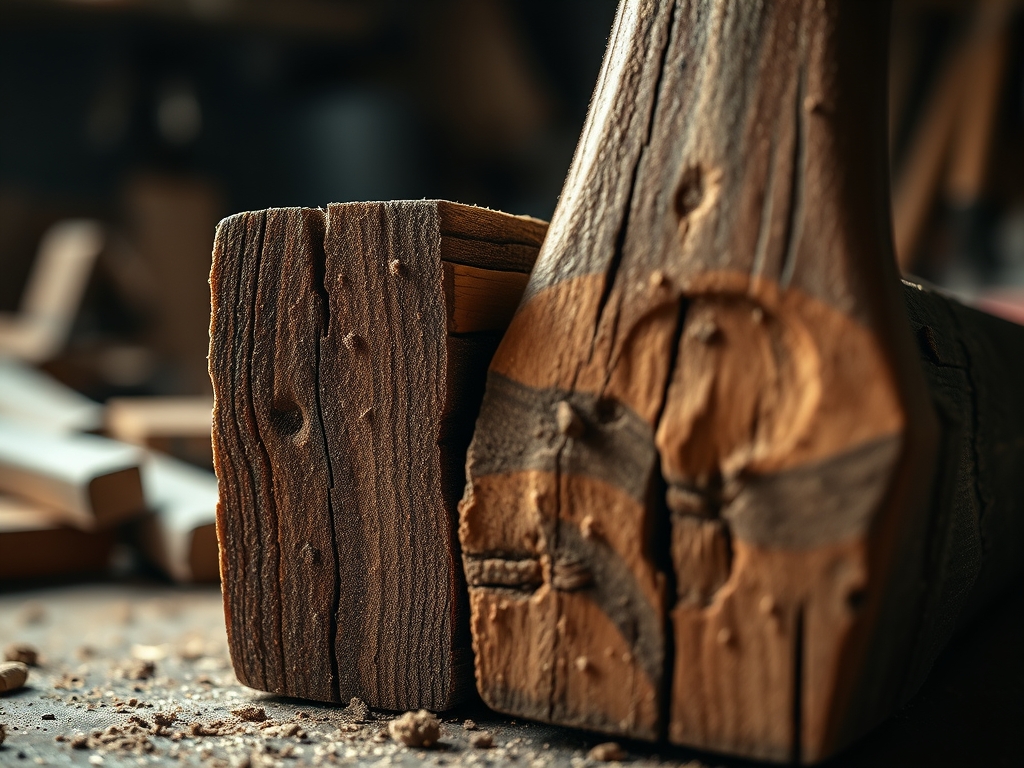
Close your eyes and run your fingertips over a raw slab of black walnut. You can feel the history in those ridges; the way the earlywood and latewood create a topographical map of past seasons. Finding the right piece is not just about aesthetics. It is about Sustainable Timber Sourcing to ensure our craft does not deplete the very forests we adore. When you source locally, you are looking for specific density and moisture content that matches your regional humidity. It is a tactile conversation between the maker and the environment. You want a piece that feels heavy for its size, indicating a tight grain structure and high tensile strength. There is a certain electric hum in the studio when you find a board that has been air dried for years. The cells have collapsed slowly and naturally, leaving the lignin stable and ready for your chisel. We are not just buying lumber; we are rescuing a biological record. It is about understanding that every knot is a former branch and every ring is a breath the tree took.
THE STUDIO KIT
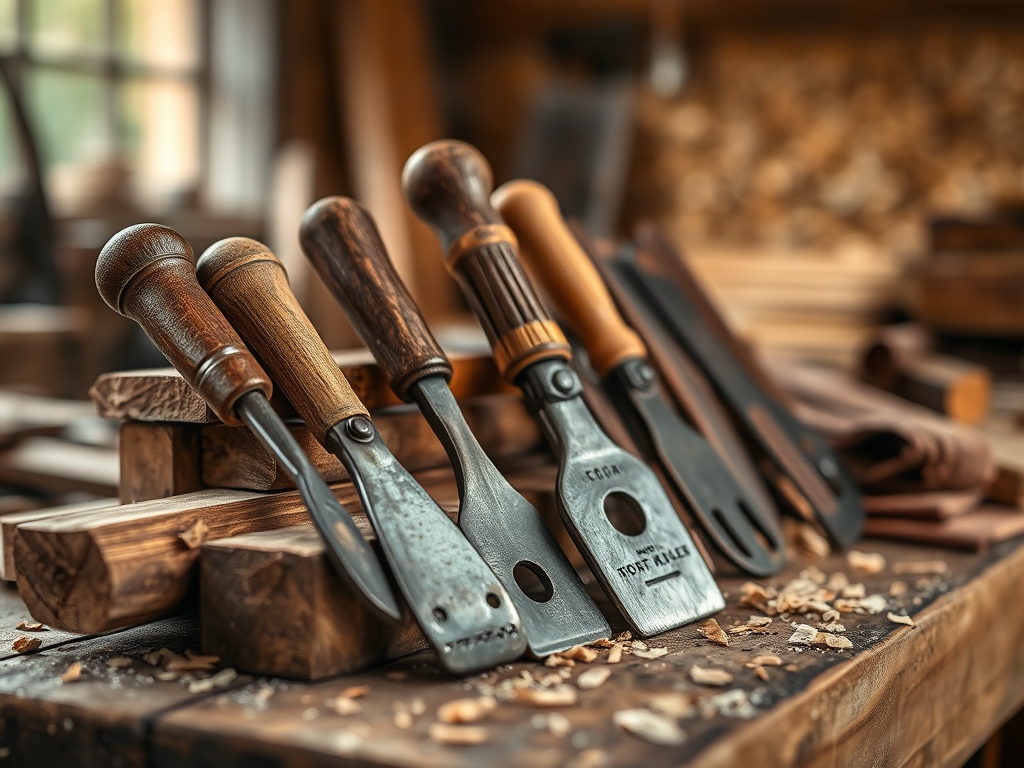
To master local sourcing, your kit needs to be part detective gear and part precision engineering. You will need a digital moisture meter with pins to check the internal saturation of the fibers. Wood is hygroscopic, meaning it constantly exchanges water with the air. If the internal moisture is above twelve percent, your finished piece will warp as it acclimates to your home. Carry a precision caliper to measure the thickness across the length of the board; uneven drying often leads to cupping or bowing that is invisible to the naked eye. A small brass awl is essential for testing the hardness of the sapwood. If the tip sinks in too easily, the wood might have fungal degradation or "spalt" that compromises its structural integrity.
For material substitutions, if you cannot find local hardwoods like oak or maple, look for "urban salvage" such as honey locust or even fruitwoods from local orchards. These often have incredible interlocked grain patterns that provide superior resistance to splitting. Always keep a magnifying loupe handy to inspect the end grain. You are looking for the size of the pores; smaller pores generally mean a more durable surface that will burnish to a high gloss without excessive oil absorption.
THE TEMPO
The "Maker's Rhythm" for sourcing is a slow burn followed by a sprint. Phase one is the Scouting Phase, which takes about two to three weeks of visiting local arborists, small scale sawmills, and even construction sites. You are building a network, not just a inventory. Phase two is the Acclimation Phase. Once you bring a slab into your studio, it must sit for at least one week per inch of thickness. This allows the internal lignin to stabilize in your specific microclimate.
Phase three is the Milling Phase, which usually takes four to six hours of intense labor. This is where you plane, joint, and rip the wood to reveal the true character hidden beneath the rough sawn exterior. The rhythm here is rhythmic and mechanical; the sound of the planer should be a consistent pitch. If the pitch changes, you have hit a density variation. Finally, the Finishing Phase takes three days, allowing for the proper curing of oils between coats.
THE CORE METHOD
1. Identify the Source
Start by contacting local tree surgeons rather than big box retailers. Trees removed due to storm damage or urban development are goldmines for Sustainable Timber Sourcing. When you visit a site, look at the bark. Deep, thick bark often indicates an older tree with more heartwood. Use your calipers to check the thickness of the slabs they have available. You want "live edge" pieces that still have the cambium layer attached, as this proves the wood was processed recently and hasn't been sitting in a damp field.
Mastery Tip: Understand capillary action. Water travels through wood like a series of straws. If the ends of the logs were not sealed with wax or latex paint immediately after felling, the moisture will escape too quickly from the ends, causing deep cracks called "checks." Always look for sealed ends to ensure the internal fibers remain under even tension.
2. The Moisture Calibration
Pull out your moisture meter and take readings at three different points: both ends and the dead center. In a stable board, these numbers should be within two percent of each other. If the center is significantly wetter than the ends, the board is under extreme internal stress. This stress will release the moment you cut into it, causing the wood to "spring" or "pinch" your saw blade.
Mastery Tip: This involves equilibrium moisture content (EMC). Wood wants to match the humidity of its surroundings. If your studio is at fifty percent humidity, your wood should ideally be at nine percent moisture. If you force a project with wet wood, the tensile strength will fail as the fibers shrink, leading to catastrophic structural failure.
3. Reading the Grain Direction
Examine the face of the board to determine the grain orientation. You are looking for "quarter-sawn" or "rift-sawn" sections where the growth rings are perpendicular to the face. These cuts are the most stable. Use a rotary cutter or a marking knife to score a small line; if the fibers tear out jaggedly, the grain is "reversing," which will require a much higher angle of attack when you begin planing.
Mastery Tip: Wood is anisotropic, meaning it has different physical properties in different directions. It is strongest along the longitudinal axis (the height of the tree). By aligning your project's load bearing components with this axis, you maximize the structural integrity of the piece without needing extra bulk.
THE TECHNICAL LEDGER
Maintenance & Longevity
To keep your sourced timber in peak condition, apply a coat of dewaxed shellac to the end grain if you aren't using it immediately. This slows down the moisture exchange. Store slabs vertically with "stickers" (small strips of wood) between them to allow total airflow. This prevents "sticker stain," which is a permanent discoloration caused by trapped moisture and fungal growth.
Material Variations
- Sustainable: Reclaimed barn wood or urban salvage. High character, but watch for old nails.
- Recycled: Pallet wood (only if heat treated, marked "HT"). Great for low stress items.
- Premium: Local "fiddleback" or "curly" maple. These have compression grain that creates a 3D shimmering effect.
The Correction
- The Mistake: The board starts warping immediately after the first cut. The Fix: You removed too much material from one side. Plane an equal amount from the opposite face to balance the internal tension.
- The Mistake: Blue or grey stains appear on the surface. The Fix: This is "sapstain." It is a fungus. Sand it back and treat with a mild borate solution to stop the spread.
- The Mistake: The wood "burns" when you use a router. The Fix: Your feed rate is too slow or the blade is dull. Increase speed to prevent heat buildup from destroying the cellulose fibers.
Studio Organization
Keep your timber in a dedicated "dry zone" away from garage doors or windows. Temperature fluctuations are the enemy of stability. Use a hygrometer to monitor the room. If the humidity spikes, use a dehumidifier to keep the environment consistent. Label each slab with the date of purchase and the initial moisture reading.
THE FINAL REVEAL
There is nothing quite like the moment you apply the first wipe of oil to a piece of locally sourced, sustainable timber. The grain literally "pops," revealing deep ambers and rich chocolates that you just cannot find in mass produced lumber. You can see the medullary rays dancing across the surface, a testament to your careful selection and the tree's long life. It feels substantial, warm, and incredibly smooth to the touch. You didn't just make a thing; you curated a piece of your local landscape and turned it into a legacy.
STUDIO QUESTIONS
What is the best moisture level for indoor furniture?
Aim for six to nine percent moisture content. This range ensures the wood is in equilibrium with typical indoor climates, preventing the fibers from shrinking or expanding excessively and causing joints to fail or surfaces to crack over time.
How do I tell if wood is "green" or seasoned?
Green wood feels cool to the touch and has a distinct, sharp scent. Seasoned wood feels room temperature and sounds hollow when tapped. Use a moisture meter to confirm; green wood often reads above twenty five percent saturation.
Can I use wood found on the forest floor?
Only if it is recently fallen and not in contact with soil. Ground contact introduces rot and boring insects that destroy tensile strength. Inspect the piece for "frass," which looks like fine sawdust, indicating active pest infestations.
What does "quarter-sawn" mean for my project?
Quarter-sawn wood is cut so the growth rings are nearly ninety degrees to the face. This orientation provides the most stability, as the wood primarily shrinks in thickness rather than width, making it ideal for high precision joinery.
Why is local sourcing better than buying imported?
Local wood is already acclimated to your regional humidity, reducing the risk of extreme movement. It also supports Sustainable Timber Sourcing by eliminating the massive carbon footprint of international shipping and ensuring the wood was harvested under local regulations.