Imagine plunging your hands into a cloud of raw, unspun fiber that feels like a dream but possesses the structural potential of a fortress. We are diving into the gritty, gorgeous world of Natural Wool Felting Basics where we transform loose fluff into a rugged, weather-resistant textile using nothing but physics and friction. It is a tactile revolution. You are essentially acting as a molecular architect, coaxing microscopic scales to lock together until they form a dense, non-woven matrix with incredible tensile strength.
The magic happens when you introduce the catalyst: hot, soapy water. This is not just a craft project; it is a lesson in material science. We are manipulating the protein structure of the wool, specifically the keratin, to create a fabric that is naturally fire-retardant and water-repellent. Grab your apron because we are about to get messy in the best way possible. We are shifting from loose, airy fibers to a stiff, durable felt that can withstand years of hard use. Forget everything you know about delicate knits. Today, we are building something permanent.
THE STUDIO KIT
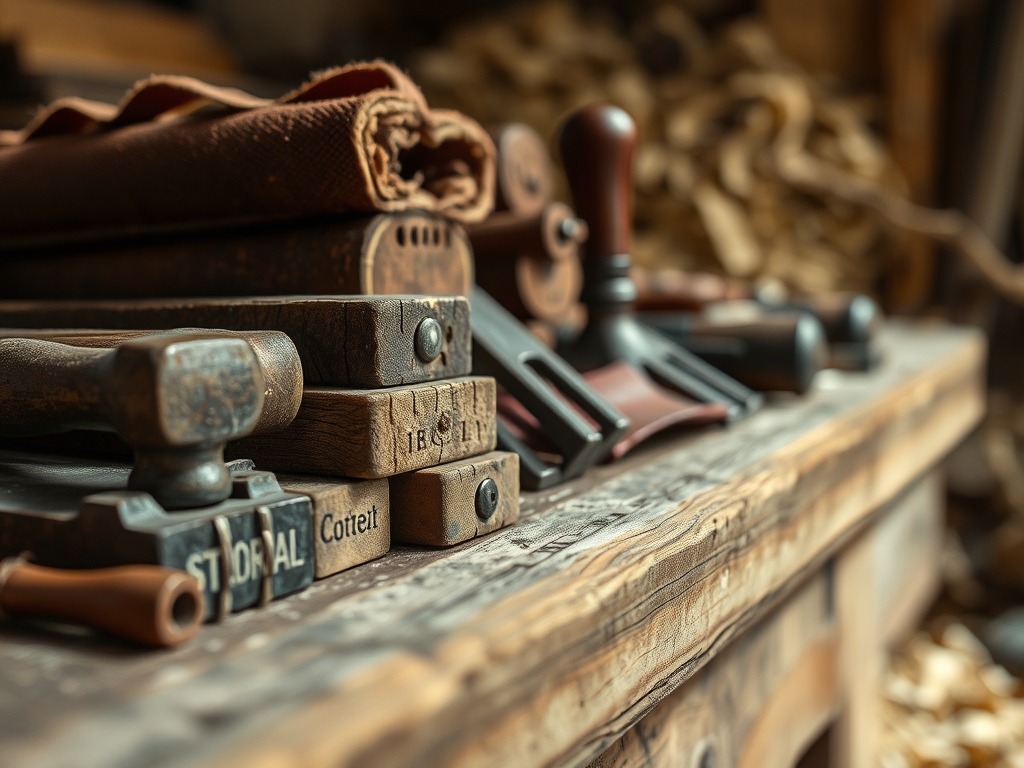
To master the art of wet felting, you need a kit that respects the porous nature of your materials. First, you must source high-quality wool roving. Look for fibers with a high crimp count; this refers to the natural waviness of the fiber which helps the scales interlock more efficiently. You will also need a bubble wrap mat or a textured washboard. This serves as your primary abrasive surface to generate the necessary friction.
Your liquid solution is critical. Use a mild olive oil soap or a pH-neutral liquid soap. Avoid harsh detergents that can strip the lanolin or damage the cuticle scales of the wool. You will also need a spray bottle for even distribution and a heavy-duty rolling pin or a PVC pipe to apply uniform pressure. For precision work, keep a pair of rotary cutters and a bone folder nearby to refine your edges once the felt begins to harden.
Material Substitutions: If you cannot find traditional roving, you can use recycled wool sweaters that have been shredded into "cloud" form. If a bubble wrap mat is unavailable, a heavy-duty bamboo blind works beautifully as a rolling chassis. Just ensure your substitute provides enough surface resistance to agitate the fibers without tearing the delicate initial layers.
THE TEMPO
Success in the studio is all about the Maker's Rhythm. You cannot rush the entanglement phase. Expect to spend roughly thirty minutes on the initial layout and wetting. This is the most meditative part where you ensure your fiber density is consistent across the entire template. If you have thin spots here, they will become holes later.
The agitation phase takes about forty-five to sixty minutes of active labor. This is where your heart rate goes up. You are moving from gentle circular motions to high-pressure rolling. Finally, the fulling stage requires another twenty minutes of vigorous tossing or slamming the felt against a hard surface to shock the fibers into their final, shrunk state. Total studio time for a medium-sized project is approximately two hours, excluding the twenty-four-hour desiccation period required for the moisture to fully evaporate from the interstitial spaces.
THE CORE METHOD
1. The Multi-Directional Layout
Begin by pulling thin tufts of wool and laying them down in a horizontal row. The key to structural integrity is layering. Your second layer must be perpendicular to the first. This creates a cross-hatched grid that prevents the fabric from warping or stretching in one direction.
Mastery Tip: This technique mimics the grain direction found in plywood. By alternating the orientation of the fibers, you ensure that the tensile load is distributed evenly across the fabric, preventing "runs" or weak points.
2. Saturation and Surface Tension
Spray your layered wool with warm, soapy water until it is fully saturated but not swimming. Place a piece of mesh or netting over the top. Apply gentle pressure with your palms to push the air out.
Mastery Tip: The soap acts as a surfactant, reducing the surface tension of the water so it can penetrate the hydrophobic outer layer of the wool fibers. This allows the water to reach the core of each strand, causing the scales to stand up and prepare for locking.
3. The Friction Rub
With the mesh still in place, use your fingertips to rub the surface in small, circular motions. Start with the weight of a feather and gradually increase the pressure as the fibers begin to catch.
Mastery Tip: This is the initial entanglement. You are using kinetic energy to encourage the microscopic scales on the wool fibers to hook into one another. If you press too hard too early, you will displace the fibers and ruin your uniform gauge.
4. The Rolling Chassis
Once the fibers no longer move independently, wrap the entire piece tightly around your rolling pin or PVC pipe. Secure it with ties and roll it back and forth on your work surface at least fifty times. Unroll, rotate the piece ninety degrees, and repeat.
Mastery Tip: Rolling applies compressive force while simultaneously stretching the fibers. This dual action forces the wool to shrink and densify. Observe the alignment in the step-by-step photos below to see how the edges begin to crisp up during this stage.
5. Fulling and Hardening
Remove the mesh and begin to "knead" the felt like bread dough. You can even drop it onto the table from a height. This "shocking" method forces the fibers to migrate even closer together.
Mastery Tip: This is the fulling stage. The combination of heat, moisture, and impact causes the wool to shrink by up to thirty percent. This creates a high-density textile that is virtually windproof. You can check the progress by trying to "pinch" a single fiber away; if the whole piece lifts, you have achieved optimal cohesion.
THE TECHNICAL LEDGER
Maintenance & Longevity: To keep your felted gear in top shape, avoid machine washing. The heat and agitation of a machine will cause the piece to continue shrinking indefinitely. Instead, spot clean with cool water. If the surface becomes fuzzy over time, use a fabric shaver or a sharp rotary cutter to prune the "pills" and restore the smooth burnished finish.
Material Variations:
- Sustainable: Use organic Merino for a soft, next-to-skin feel.
- Recycled: Incorporate silk scraps or sari yarn during the layout phase for a "nuno" effect.
- Premium: Icelandic Lopi wool provides incredible durability and water resistance due to its dual-coat structure.
The Correction:
- Thin Spots: If you see a hole forming, add a "patch" of dry roving over the area while it is still wet and rub vigorously with more soap.
- Warping: If the piece is lopsided, it means your rolling was uneven. Re-wet the piece and roll specifically on the longer side to force more shrinkage there.
- Fuzziness: If the felt feels "squishy" rather than firm, you haven't fulled it enough. Return to the "shocking" phase and use hotter water.
Studio Organization: Store your wool in airtight bins with cedar blocks. Moths are the natural enemy of protein fibers. Never store felted projects while they are damp; this leads to microbial degradation and mildew within the core of the fabric.
THE FINAL REVEAL
Look at that! You have successfully transformed a pile of fluff into a piece of engineered textile. The finished product should feel firm, slightly leathery, and incredibly sturdy. When you run your hand over it, the surface should be smooth and unified. This is the beauty of Natural Wool Felting Basics; you have taken raw materials and, through sheer physical force and a bit of chemistry, created a durable fabric that could last a lifetime. Whether you turn this into a laptop sleeve, a rugged coaster, or a piece of wearable art, you have mastered the fundamental physics of the fiber.
STUDIO QUESTIONS
What is the best type of wool for beginners?
Merino wool roving is ideal for beginners due to its fine micron count and high crimp. It felts faster and more predictably than coarse breeds, allowing you to master the agitation phase without excessive physical strain or fiber frustration.
Why do I need to use soap?
Soap acts as a surfactant to break the water's surface tension. It also opens the cuticle scales on the wool fiber. This lubrication allows fibers to slide past each other and then lock together tightly during the fulling process.
How much will my project shrink?
Expect a shrinkage rate of twenty to thirty-five percent. This depends on the fiber type and the intensity of your rolling. Always calculate your initial layout dimensions by multiplying your desired final size by a shrinkage factor of 1.3.
Can I felt synthetic fibers using this method?
No, synthetic fibers like acrylic lack the microscopic scales found on animal hair. Without these scales, the fibers cannot interlock. However, you can incorporate small amounts of synthetics for aesthetic texture if they are trapped within layers of natural wool.
How do I know when the felting is finished?
Perform the pinch test. Try to pull a few fibers from the surface with your thumb and forefinger. If the fibers stay attached to the main body and the entire fabric lifts, the interlocking matrix is complete.