Sawdust is basically the glitter of the workshop world; it gets everywhere and smells like a pine forest dream until a rogue splinter ruins the vibe. You know that sharp intake of breath when a chisel slips or a burr on a piece of cold rolled steel catches your palm. Healing Injuries In The Shop requires more than just a dusty adhesive bandage from the bottom of a toolbox. It demands a systematic understanding of skin as a biological substrate. Human skin has a specific tensile strength and elasticity that reacts poorly to the high friction of power sanding or the shearing force of a sharp blade. When we talk about shop safety, we are really talking about maintaining the structural integrity of our most important tool: our hands. Whether you are dealing with a minor abrasion from a 120 grit orbital sander or a puncture from a stray finishing nail, the goal is to stabilize the site without compromising your workflow. We are going to treat these minor mishaps with the same technical precision we use for a dovetail joint.
THE STUDIO KIT
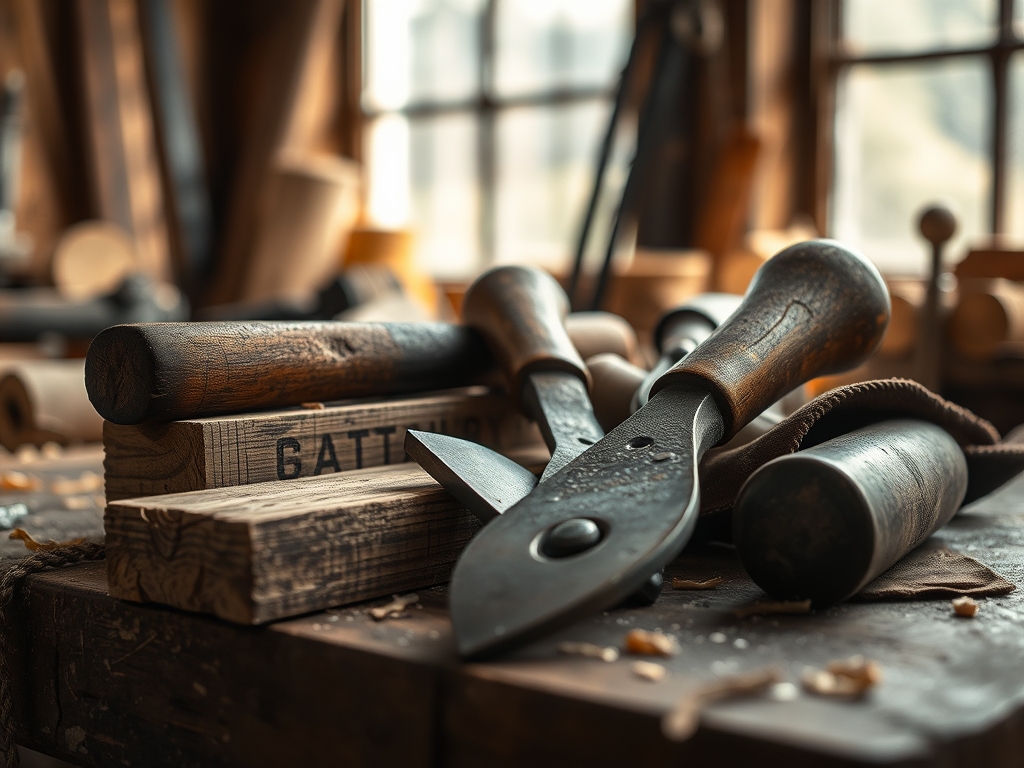
To manage shop injuries effectively, you need a kit that respects the porous nature of skin while creating a barrier against industrial contaminants. Your primary tools here are not just medical; they are structural. You should have high grade saline for irrigation to ensure no micro debris remains trapped in the wound bed. I always keep a pair of fine tipped precision tweezers or a jeweler's saw nearby for removing metallic slivers that have a higher density than organic wood splinters. For the dressing, look for cohesive silicone tapes that do not rely on aggressive adhesives. These allow the skin to breathe while maintaining a constant pressure.
Material Substitutions are vital when you are in the middle of a build. If you run out of traditional gauze, high quality lint free shop towels can act as a temporary absorbent layer, provided they are sterile. In a pinch, a clean microfiber cloth has a high surface area that can help manage minor bleeding through capillary action. However, avoid using masking tape or electrical tape directly on a wound; the chemical adhesives can cause contact dermatitis or tear the delicate new cellular growth during removal.
THE TEMPO
The "Maker's Rhythm" is all about flow, but an injury creates a sudden halt in your kinetic energy. You cannot rush the biological clock. The initial "Stabilization Phase" takes exactly five minutes. This is where you apply direct pressure to allow for hemostasis, the process where blood changes from a liquid to a gel. If you jump back to the drill press too soon, the vibration will shatter those early fibrin bonds.
The "Sanitization Phase" requires three minutes of focused irrigation. Think of this like cleaning a glue joint before the assembly; any leftover dust will ruin the bond. Finally, the "Protection Phase" takes two minutes to apply a breathable barrier. Total downtime is ten minutes. Respecting this tempo ensures that a small nick does not turn into a week long infection that keeps you away from your lathe.
THE CORE METHOD
1. Irrigation and Debridement
First, you must flush the area with saline or clean water. Use a syringe or a squeeze bottle to create enough pressure to dislodge particulates. This is about mechanical force rather than chemical sterilization. You are trying to clear the "kerf" of the wound so the edges can eventually meet perfectly.
Mastery Tip: Understand fluid dynamics. A steady stream of water creates a low pressure vacuum effect that pulls microscopic dust particles out of the tissue folds, preventing them from becoming embedded as the skin begins its inflammatory response.
2. Hemostasis through Compression
Apply firm, even pressure using a sterile pad. Do not peek. Lifting the pad every ten seconds breaks the delicate lattice of clotting factors that are trying to bridge the gap in your dermis. Hold the pressure for a full five minutes to allow the biological "glue" to set.
Mastery Tip: This relies on surface tension. By maintaining constant contact, you are encouraging the blood platelets to aggregate at the site of the rupture, creating a natural plug that is structurally sound enough to withstand the atmospheric pressure of the room.
3. The Barrier Application
Apply a thin layer of a petroleum based ointment to keep the site moist. This prevents a hard scab from forming. A hard scab is brittle and prone to cracking when you move your joints. You want a flexible, "plasticized" healing environment. Cover this with a flexible fabric bandage that mimics the ply and stretch of your skin.
Mastery Tip: This is the principle of moist wound healing. By preventing evaporation, you allow epithelial cells to migrate across the surface of the wound much faster than they would across a dry, desiccated landscape.
4. Structural Reinforcement
If the injury is on a knuckle or a high movement area, use a "butterfly" closure or a piece of surgical tape to take the tension off the wound edges. This acts like a clamp on a glue up, ensuring the two sides stay in perfect alignment while the internal "curing" happens.
Mastery Tip: This manages lateral tension. By redistributing the mechanical stress of your hand movements to the surrounding healthy skin, you prevent the wound from gapping, which reduces the eventual scar tissue volume.
THE TECHNICAL LEDGER
Maintenance & Longevity: Check your shop first aid kit every six months. Adhesives on bandages degrade in the heat and humidity of a garage or studio. If a bandage feels "gummy" or the wrapper is yellowed, the polymer integrity has failed and it should be discarded.
Material Variations:
- Sustainable: Use bamboo fiber bandages which have a lower environmental footprint and are naturally antimicrobial.
- Recycled: Repurpose clean cotton scraps as outer wraps for larger abrasions, securing them with safety pins.
- Premium: Hydrocolloid dressings are the "gold standard." They turn into a gel as they absorb fluid, providing a cushioned, waterproof seal that can stay on for days.
The Correction:
- The Mistake: Using isopropyl alcohol on a deep cut. The Fix: Stop. Alcohol kills healthy cells and slows healing. Use saline for irrigation and save the alcohol for cleaning your steel squares.
- The Mistake: Leaving a wound open to "air out." The Fix: This is a myth. Exposed wounds dry out and die. Keep it covered to maintain the thermal stability required for cellular mitosis.
- The Mistake: Wrapping a finger too tight. The Fix: If your fingertip feels cold or turns purple, you have restricted the vascular flow. Loosen the wrap immediately; you want compression, not a tourniquet.
Studio Organization: Store your medical supplies in a dust proof, airtight container like a gasketed plastic bin. Keep it at eye level near your most dangerous tool. Label it with high visibility tape so you can find it even if your vision is slightly blurred by adrenaline.
THE FINAL REVEAL
Once you have mastered the art of shop first aid, a minor injury becomes just another technical challenge to solve. You will notice that your "repairs" look cleaner and heal faster, leaving you with more time to focus on your actual projects. There is a certain satisfaction in seeing a perfectly applied wrap that stays put even while you are operating a heavy duty sander. You are not just a maker; you are the primary maintenance technician for the most complex machine in the room. Stay sharp, stay safe, and keep those hands in peak operating condition.
STUDIO QUESTIONS
What is the best way to remove a metal splinter?
Use calipers or precision tweezers to grip the shard at the same angle it entered. This minimizes tissue trauma. Clean the tool with alcohol first to ensure no cross contamination occurs during the extraction process.
Can I use super glue on a shop cut?
Only use medical grade cyanoacrylate. Industrial super glue contains exothermic chemicals that can burn tissue. It works by creating a polymer bond across the skin, but it should only be used on shallow, clean incisions.
How do I stop a burn from a soldering iron?
Immediately run cool water over the site for ten minutes to dissipate the thermal energy. Do not use ice, as it can cause further tissue damage. Apply a sterile, non adherent dressing to protect the blister.
When should I stop working and see a doctor?
If you have loss of sensation, inability to move a joint, or if the bleeding does not stop after ten minutes of direct pressure. These signs indicate structural damage to tendons or nerves that requires professional intervention.