Imagine the scent of golden summer fields and the heavy, satisfying weight of a solid walnut block resting on your workbench. There is something deeply primal about the way raw wood drinks in oil; it is a thirsty, porous substrate waiting for the right seal. When you move beyond store-bought aerosols and dive into the world of Natural Beeswax Shop Finishes, you are not just coating a surface. You are engaging in a chemical marriage between cellulose fibers and long-chain fatty acids. I have spent countless nights in the studio experimenting with the perfect ratio of solids to solvents because I want my work to feel like silk, not plastic. Every time I run my thumb over a freshly burnished edge, I can feel the structural integrity of the grain beneath the wax. It is a tactile conversation between the maker and the material. We are going for that deep, amber glow that only comes from a hand-blended finish. It is time to clear your station and get your hands a little dirty because we are about to make some magic.
THE STUDIO KIT
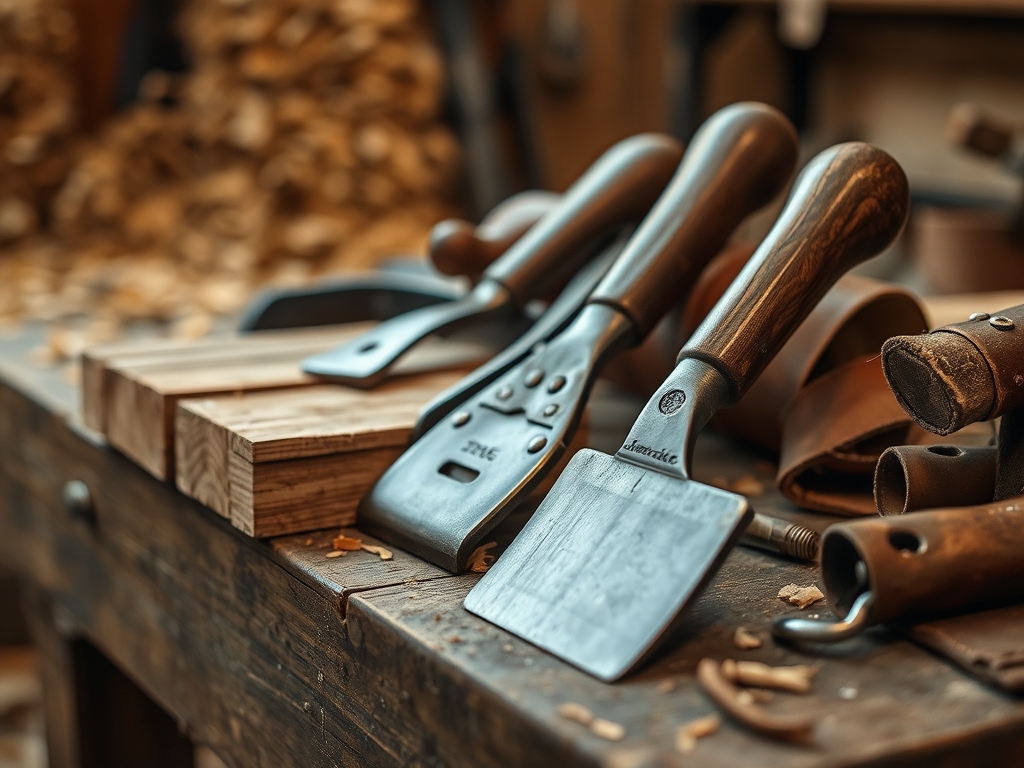
To master this process, you need tools that respect the physics of heat and friction. Start with raw, triple-filtered beeswax pellets; these offer a higher surface area for faster melting compared to bulk bricks. You will also need a high-quality carrier oil like food-grade linseed or walnut oil. These oils have a high iodine value, meaning they will polymerize and harden over time rather than remaining greasy.
For the hardware, grab a double boiler to prevent the wax from reaching its flash point. You will also need a digital thermometer to monitor the temperature; beeswax melts at approximately 144 degrees Fahrenheit, and overheating it can degrade the natural esters. A stainless steel stirring rod or a clean glass stir stick is essential for maintaining a homogenous mixture. For application, keep a stack of lint-free microfiber cloths and a stiff-bristled natural brush for reaching into tight joinery.
Material Substitutions: If you cannot source beeswax, Carnauba wax is a fantastic vegan alternative with a higher melting point and a harder final finish. If you lack a double boiler, a heat-safe glass bowl over a pot of simmering water works perfectly as long as you maintain a steady, low-energy simmer.
THE TEMPO
The Maker's Rhythm is all about patience and thermal management. You cannot rush a phase change. The initial melting phase takes roughly 15 to 20 minutes of steady, indirect heat. Once the wax and oil are integrated, the cooling phase is where the texture is born. This takes about 45 minutes of intermittent stirring to prevent the wax from crystallizing at the edges of the jar.
After application, the "cure time" is the most critical variable. While the wax feels dry to the touch within an hour, the carrier oils require 24 to 48 hours to fully cross-link within the wood fibers. This is a slow-motion chemical reaction where the liquid oil transforms into a solid film. Respect the clock; rushing the buffing stage will only result in a cloudy, smeared finish that lacks depth.
THE CORE METHOD
1. The Thermal Infusion
Begin by weighing your beeswax and oil in a 1:4 ratio for a soft paste or a 1:2 ratio for a harder, high-gloss finish. Place the beeswax in the double boiler and bring the temperature up slowly. Technical Fact: Beeswax is a complex mixture of hydrocarbons and free fatty acids that requires gentle agitation to break down its crystalline structure without scorching. Once the wax is a clear, amber liquid, slowly whisk in your carrier oil.
Mastery Tip: This is all about surface tension. By pre-warming your carrier oil to roughly 100 degrees Fahrenheit before adding it to the wax, you prevent "thermal shock," which can cause the wax to clump and create a gritty texture in your final polish.
2. The Homogenization Stir
Once the ingredients are combined, remove the heat source but continue to stir. As the mixture cools, it undergoes a transition from a liquid to a semi-solid colloid. You want to keep the particles in suspension so the oil does not separate from the wax solids. Use a steady, rhythmic motion to ensure the mixture stays creamy.
Mastery Tip: This stage relies on viscosity control. If you stir too fast, you will introduce air bubbles that create pockets of oxidation. If you stir too slow, the wax will settle at the bottom. Aim for a consistency similar to heavy cream before pouring it into your final storage tins.
3. The Capillary Application
Apply a small amount of the cooled paste to your workpiece using a circular motion. The goal is to force the finish into the tracheids and vessels of the wood. Technical Fact: Wood is essentially a bundle of microscopic straws. Through capillary action, the oil carries the wax deep into these tubes, sealing the wood from the inside out.
Mastery Tip: Use a bone folder or a smooth wooden burnishing tool to press the wax into the end grain. The pressure generates localized friction heat, which temporarily lowers the viscosity of the wax, allowing for deeper penetration and a more durable seal.
4. The Friction Burnish
After letting the finish sit for 20 minutes, take a clean cloth and buff the surface vigorously. You are not just wiping away excess; you are aligning the wax molecules. Technical Fact: The heat generated by friction causes the wax platelets to lay flat against the surface, creating a mirror-like finish that reflects light evenly.
Mastery Tip: Watch for the "drag." When the cloth starts to glide effortlessly across the wood, you have achieved molecular alignment. If the surface feels tacky, you need more friction to break down the excess surface film.
THE TECHNICAL LEDGER
Maintenance & Longevity
A natural beeswax finish is "living," meaning it will wear over time. To maintain the tensile strength of the finish, re-apply a thin layer every six months. For high-traffic items like cutting boards, a monthly refresh ensures the moisture barrier remains intact. Avoid harsh chemical cleaners which will strip the wax; a damp cloth is all you need.
Material Variations
- Sustainable: Use local, unrefined beeswax to retain the natural propolis and honey scent.
- Recycled: Filter old honeycomb or wax scraps through a fine mesh to reclaim high-quality solids.
- Premium: Add a few drops of pure tung oil for increased water resistance and a harder cured shell.
The Correction
- The Mistake: White Spotting. This happens when moisture is trapped under the wax. The Fix: Use a heat gun on a low setting to pull the moisture out, then re-buff.
- The Mistake: Streaking. Usually caused by applying too much wax at once. The Fix: Lightly sand with 400-grit paper and buff with a drop of pure oil to level the surface.
- The Mistake: Dullness. Caused by insufficient buffing. The Fix: Use a rotary tool with a felt buffing wheel to increase friction and bring out the luster.
Studio Organization
Store your finished wax in airtight tin containers in a cool, dark cabinet. Oxidation is the enemy of natural oils; exposure to UV light and air will cause the oils to go rancid over time. Label each tin with the ratio and the date of manufacture.
THE FINAL REVEAL
There is a specific moment when a project stops being a collection of raw materials and starts being a finished piece of art. It is that final buff, where the grain pops and the wood takes on a glow that seems to come from within. Using Natural Beeswax Shop Finishes gives your work a soul that synthetic polyurethanes simply cannot replicate. It feels warm to the touch, smells like the earth, and ages with a beautiful, hard-earned patina. You have successfully navigated the physics of heat, the chemistry of oils, and the mechanics of friction. Stand back and admire that luster; you earned it.
STUDIO QUESTIONS
How long does homemade beeswax finish last in the jar?
If stored in an airtight container in a cool environment, your finish will remain shelf-stable for 12 to 24 months. The high antioxidant content in natural beeswax helps preserve the carrier oils, though walnut oil may oxidize faster than linseed.
Can I use this finish on outdoor furniture?
Natural beeswax is not recommended for full outdoor exposure. It has a relatively low melting point and lacks UV inhibitors. For outdoor pieces, the wax would soften in the sun and wash away during heavy rain, leaving the wood vulnerable.
Is beeswax finish safe for children's toys?
Yes, this is one of the safest finishes available. By using food-grade oils and natural beeswax, you create a non-toxic, hypoallergenic seal. It is perfectly safe for items that might end up in a toddler's mouth or on a dinner table.
Why is my wax finish still sticky after two days?
Stickiness usually indicates the layer was applied too thickly or the ambient humidity is too high. The oil needs oxygen to polymerize. To fix this, buff the surface with a small amount of pure solvent or more dry friction to level the layer.