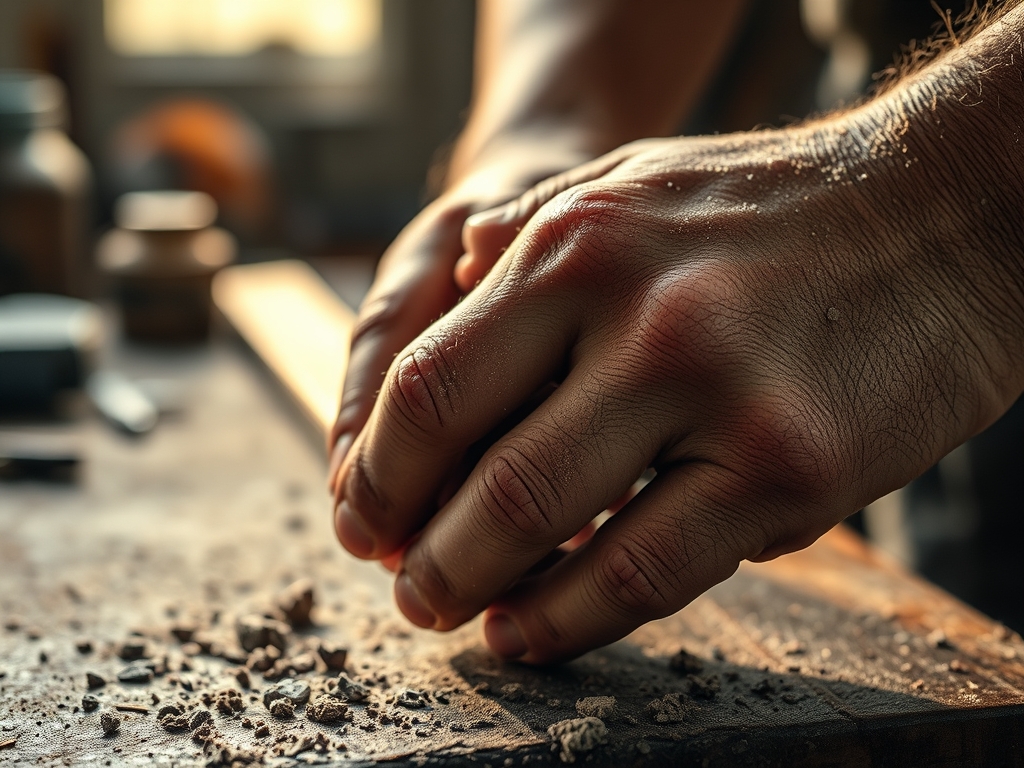
Imagine the friction of heavy-duty canvas or the grit of raw oak grain against your palms after eight hours of intense labor. My studio is my sanctuary, but the physical cost of creation is etched into my skin every single evening. When you spend your day gripping an oscillating tool or pulling high-tension gauge wire, your skin loses its natural elasticity to the constant abrasion of industrial materials. This is exactly why I developed a rigorous routine for Healing Hands After Work; it is not just about vanity, it is about maintaining the structural integrity of my most important tools. Think of your hands as high-performance machinery. If you do not lubricate the joints and polish the surfaces, the system eventually seizes. By the time the sun sets, my cuticles are often parched from the moisture-wicking properties of sawdust or the caustic nature of certain adhesives. I have learned that the recovery phase is just as vital as the fabrication phase. You cannot produce master-level work if your tactile sensitivity is compromised by callouses and cracks.
THE STUDIO KIT
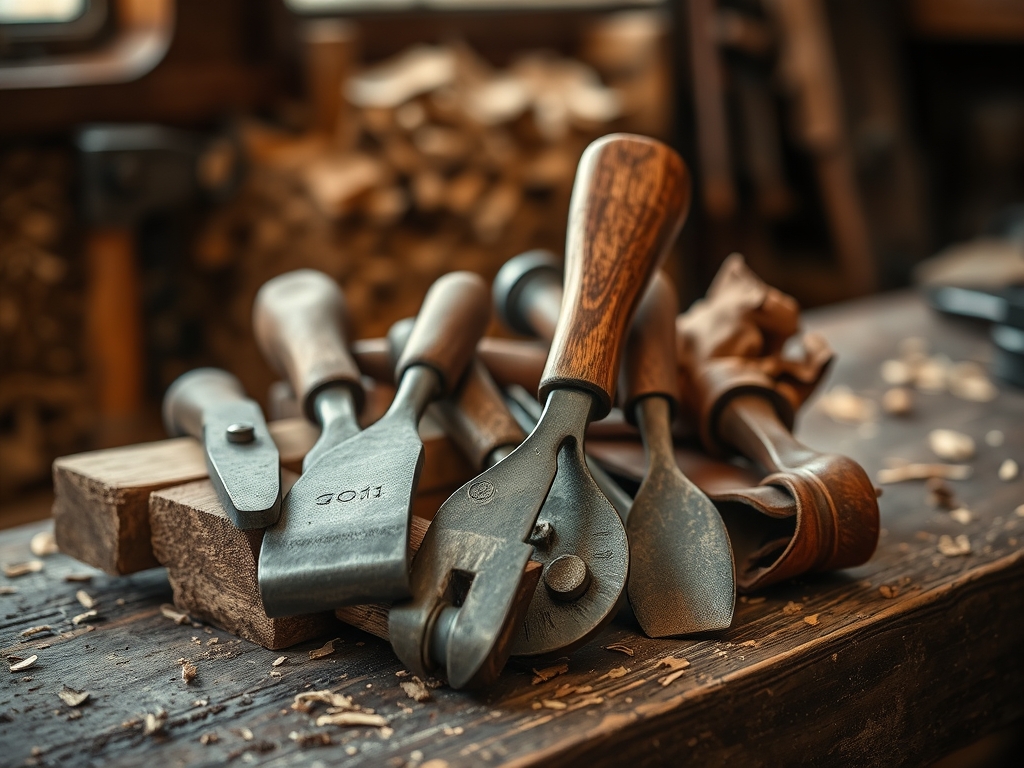
To properly execute this recovery protocol, you need a kit that addresses the porous nature of human skin. My primary tool is a high-density salve containing beeswax and calendula. Beeswax acts as a physical barrier, similar to how a polyurethane finish protects a tabletop. I also keep a bone folder nearby; while usually used for creasing paper, it is perfect for gently pushing back cuticles without causing micro-tears in the tissue. You will need a fine-grit emery board (roughly 240 to 320 grit) to smooth down any snags that could catch on delicate fibers like silk or high-ply cotton.
For material substitutions, if you lack a professional salve, you can utilize food-grade coconut oil or even lanolin, which is the natural oil found in sheep wool. Lanolin has incredible molecular adhesion to human skin because it mimics our natural sebum. Avoid using standard watery lotions; they contain high percentages of alcohol which will evaporate and trigger a capillary action that actually draws more moisture out of your deep tissue layers. We are looking for heavy, occlusive lipids that sit on the surface and force hydration downward into the dermis.
THE TEMPO
The Maker's Rhythm is not just about the speed of your rotary cutter; it is about the cycle of exertion and rest. I break my hand care into three distinct phases. Phase one is the "Decontamination" which takes exactly five minutes. This involves removing chemical residues and particulate matter. Phase two is the "Thermal Reset," a ten-minute soak that uses heat to increase blood flow and vasodilation. Finally, phase three is the "Occlusion Wrap," which lasts at least twenty minutes but is best left overnight.
If you rush these steps, the lipids will not penetrate the stratum corneum, the outermost layer of your skin. You have to allow enough time for the heat to lower the viscosity of your balms so they can seep into the microscopic ridges of your fingerprints. Think of it like waiting for wood glue to reach its tack-point; timing is the difference between a temporary fix and a permanent bond.
THE CORE METHOD
1. Mechanical Debridement
Before applying any moisture, you must remove the dead cells and debris. Use your fine-grit emery board to lightly burnish any rough callouses. Do not remove the callous entirely; you need that thickened skin for protection against future friction. You are simply leveling the surface to prevent snagging.
Mastery Tip: This process relies on friction-based exfoliation. By removing the jagged top layer, you reduce the surface area where bacteria can hide and ensure that your healing balms have a direct path to the living tissue.
2. The Thermal Infusion
Submerge your hands in water heated to exactly 102 degrees Fahrenheit. Add Epsom salts to create a hypertonic solution. This creates an osmotic pressure gradient that helps draw out deep-seated toxins and reduces inflammation in the small joints of the fingers.
Mastery Tip: The science here is hydrostatic pressure. The warm water increases the kinetic energy of the salt molecules, allowing them to penetrate the skin barrier more effectively than cold water ever could.
3. Lipid Application and Massage
Apply a generous amount of your heavy salve. Use a circular motion, starting from the base of the palm and working toward the fingertips. Pay special attention to the "webbing" between the thumb and forefinger, which often bears the most tensile stress when using heavy hand tools like calipers or pliers.
Mastery Tip: Massage triggers lymphatic drainage. By applying manual pressure, you are physically moving metabolic waste products out of the hand tissues and into the lymphatic system for filtration.
4. The Occlusion Barrier
Slide your treated hands into 100% cotton gloves. This creates a micro-climate that prevents the salve from rubbing off on your linens and uses your own body heat to keep the oils in a liquid state.
Mastery Tip: This is a classic example of thermal insulation. The cotton fibers trap a thin layer of warm air against the skin, which keeps the pores dilated and maximizes the absorption rate of the active ingredients.
THE TECHNICAL LEDGER
Maintaining your hands requires the same discipline as maintaining a jeweler's saw. You must inspect them daily for "micro-fractures" or small cuts. If you find a deep crack, do not use standard bandages; use a liquid skin adhesive to seal the wound and maintain structural integrity.
Material Variations:
- Sustainable: Use organic hemp seed oil; it has a high concentration of omega fatty acids.
- Premium: Look for salves infused with silver nanoparticles for their antimicrobial properties.
- Recycled: You can actually use the leftover wax from clean-burning soy candles as a temporary moisture seal.
The Correction:
- Mistake: Using boiling water to clean hands. Fix: Use lukewarm water; extreme heat denatures skin proteins and causes "flash drying."
- Mistake: Ignoring a "hot spot" before it becomes a blister. Fix: Apply moleskin or athletic tape immediately to redirect the friction.
- Mistake: Using a metal file on skin. Fix: Only use flexible abrasives to avoid gouging the tissue.
Studio Organization: Store your hand care kit in a dust-proof Pelican case or a sealed acrylic bin. Sawdust is incredibly "hygroscopic," meaning it sucks moisture out of the air and your products. Keep your gloves in a dry, ventilated area to prevent any fungal growth.
THE FINAL REVEAL
When you wake up and peel off those cotton gloves, the transformation is nothing short of magical. Your hands will feel supple, recharged, and ready to tackle another day of high-impact making. The skin should look plump, with the "crackle" texture of dehydration completely smoothed out. There is a profound sense of satisfaction in knowing you have treated your body with the same respect you give your materials. You are not just a maker; you are the primary engine of your studio. By mastering the art of Healing Hands After Work, you ensure that your craft can continue for decades to return. Now, go grab that awl and get back to work; your hands are ready for the next challenge!
STUDIO QUESTIONS
How often should I use a heavy salve?
For maximum efficacy, apply a heavy lipid-based salve every evening after your final studio cleanup. This allows the skin to recover during its natural circadian repair cycle without being interrupted by further mechanical stress or chemical exposure.
Can I use regular lotion instead?
Regular lotions often contain high water content and alcohols that evaporate quickly, potentially worsening dryness. For deep recovery, choose an oil-based balm or salve that provides a physical barrier and stays on the skin longer for better absorption.
What is the best way to treat a tool burn?
Immediately cool the area with room-temperature water to stop the thermal transfer. Once cooled, apply a thin layer of antimicrobial ointment and cover with a non-adherent sterile dressing to maintain a moist environment for cellular regeneration.
Why do my hands feel stiff after woodworking?
Woodworking requires constant isometric gripping, which leads to tendon inflammation. The "stiffness" is often a result of minor swelling in the synovial sheaths. Warm soaks and gentle stretching help restore fluid mobility and reduce this localized tension.
How do I prevent stains from ruining my skin?
Apply a "barrier cream" or a thin layer of wax before you begin working with dyes or stains. This fills the pores and creates a sacrificial layer that prevents pigments from bonding directly to your skin cells.